In an era where the lines between fashion and other creative disciplines are increasingly blurred, top-tier fashion brands are forging deeper connections with the art world. This strategic alignment underscores fashion's expanding role as a potent cultural force, moving beyond the traditional confines of garment design to create comprehensive artistic narratives. These collaborations serve to enrich the brands' creative output, offering a fresh perspective on their collections while also highlighting their commitment to broader cultural discourse. Such partnerships are transforming fashion presentations into significant cultural moments, inviting audiences to engage with collections that are infused with multifaceted artistic inspirations, thereby elevating the industry's status within the global cultural landscape.
The Growing Symbiosis of Fashion and Fine Art
The fashion industry, often perceived as a standalone realm, is increasingly demonstrating its interdisciplinary nature by drawing profound inspiration from and establishing partnerships with various artistic mediums. Great fashion houses are now more openly integrating elements from film, music, and fine art into their collections, leading to a surge in collaborations with art world entities. This shift is particularly notable in a contemporary landscape marked by rapid digital evolution and a quest for authenticity, where discerning taste has become a valuable commodity. Consequently, luxury designers are making a deliberate effort to emphasize their intellectual artistic foundations and foster more profound relationships with cultural institutions. These public displays of commitment also coincide with fashion's growing ascendancy as a dominant global influencer at the nexus of popular culture and high art.
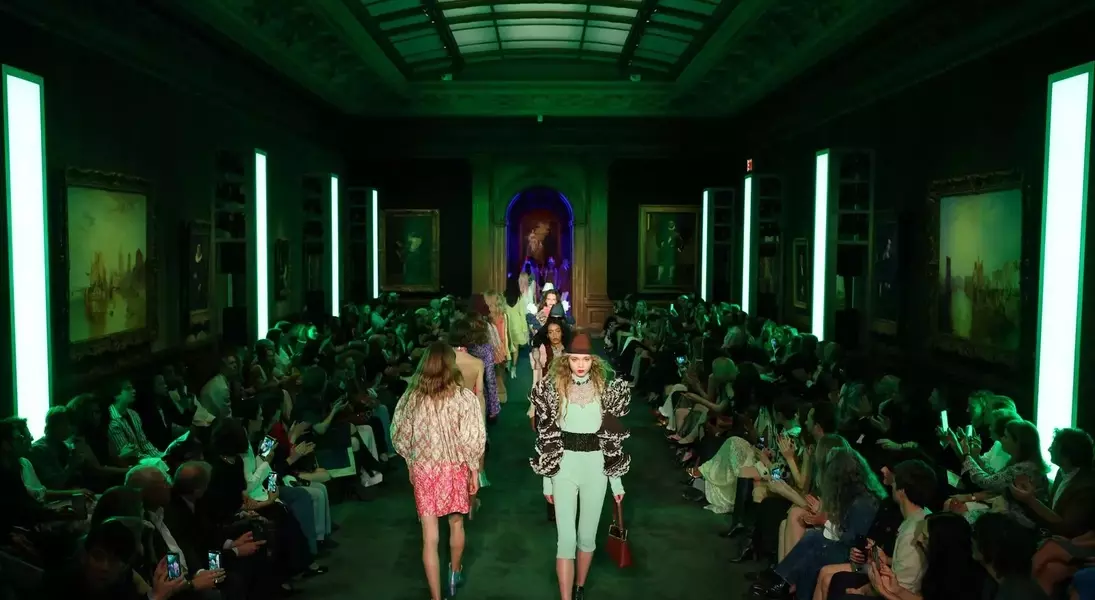
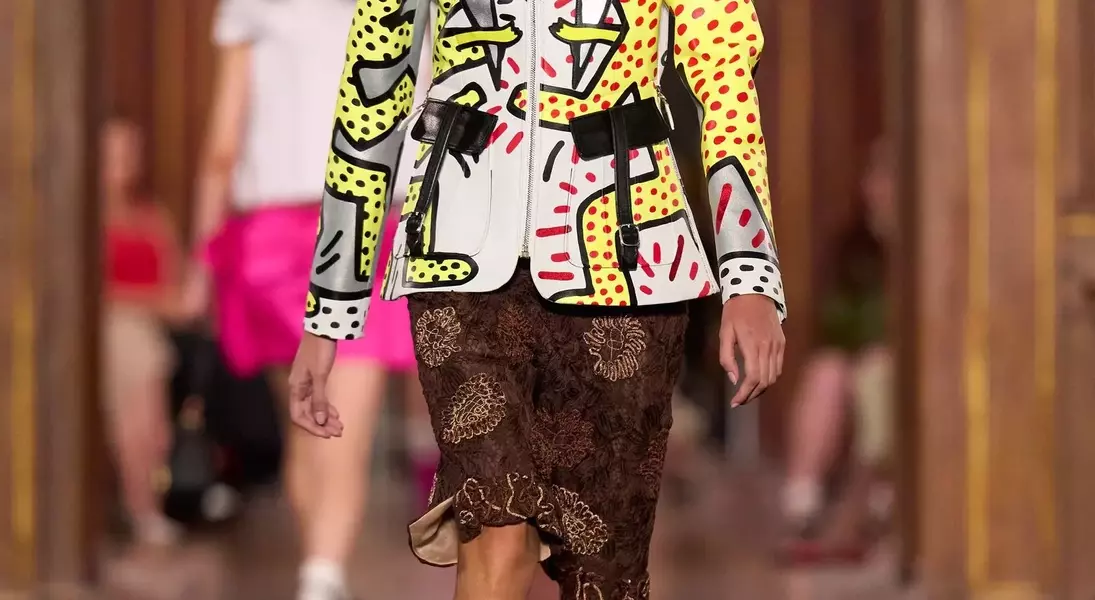
A prime illustration of this trend is Louis Vuitton's recent resort 2027 runway show, held at The Frick Collection. The event, staged within a former Gilded Age mansion now home to significant artworks, saw the runway meander through its historic halls. Nicolas Ghesquière, known for his opulent show venues, used this occasion to formally announce Louis Vuitton's cultural patronage of the Upper East Side museum. This three-year partnership will fund three major special exhibitions, provide a year of free admission evenings dubbed "Louis Vuitton First Fridays," and establish a two-year Louis Vuitton Curatorial Research Associate position. Such a comprehensive commitment to a prestigious New York museum signifies a new, globally impactful chapter in the brand's engagement with the arts, further cemented by its official collaboration with the Keith Haring Foundation, featuring Haring's iconic motifs on runway pieces.
Fashion's Cultural Immersion Beyond the Runway
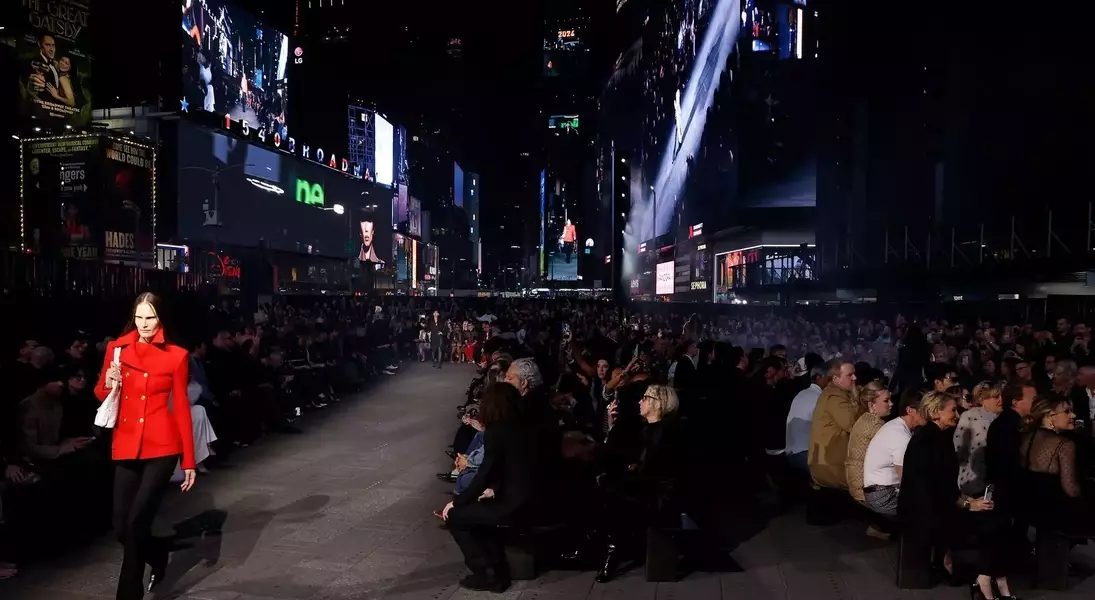
The increasing embrace of the arts by luxury fashion brands, particularly evident in recent American resort seasons, reflects a broader trend of cultural immersion that extends well beyond the runway. Louis Vuitton's initiative at The Frick Collection is not an isolated event; it follows other luxury houses that have recently showcased in the U.S. This includes Gucci's dramatic takeover of New York's Times Square, where the brand drew inspiration from Robert Longo's "Men in the Cities" series. This move highlights a deliberate strategy by designers to reference significant artistic works, weaving them into the fabric of their brand identity and presentations, thereby creating a richer, more engaging narrative for their audience.
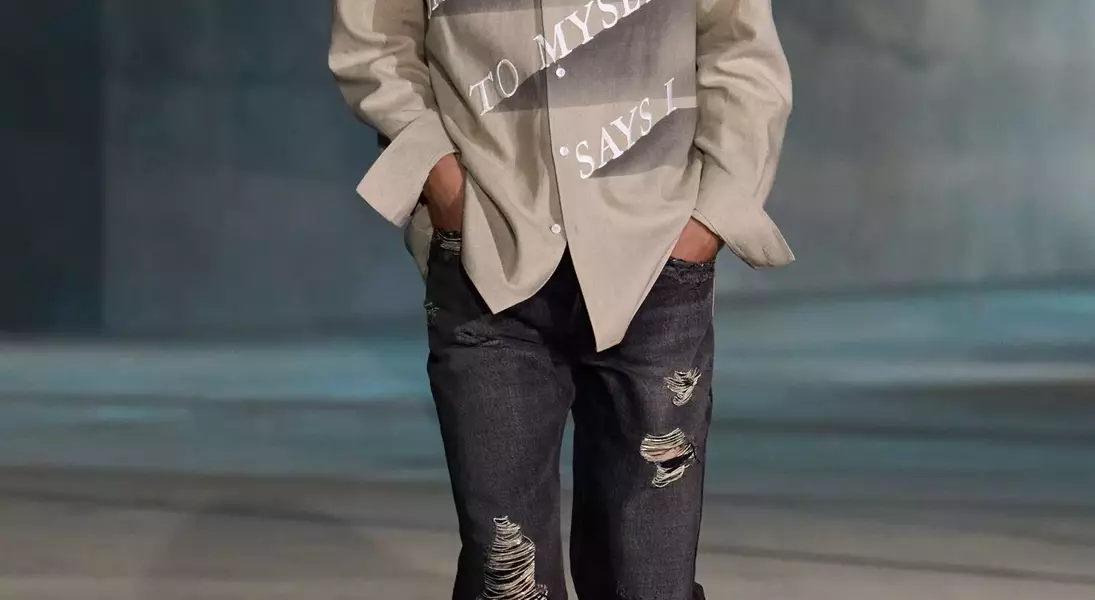
This "world-building" approach continues off-stage, acknowledging that a runway show's fleeting 15 minutes necessitates a more enduring online presence. Dior's Jonathan Anderson, for example, explores the timelessness of cinema, leveraging his past costume design work with acclaimed directors. Dior's recent event at LACMA's David Geffen Galleries celebrated its enduring connection with Hollywood, referencing iconic figures like Marlene Dietrich. Furthermore, Anderson's collaborations with artists such as Ed Ruscha, whose distinctive lettering adorned a series of shirts, underscore his consistent art-centric vision for Dior. From anchoring menswear sets with Jean Simeon Chardin's still lifes to drawing inspiration from ceramists like Dame Magdalene Odundo and transforming venues into Monet-esque gardens, Anderson consistently positions clothing and fine art on an equal footing. This deliberate strategy, aligned with themes explored in institutions like the Costume Institute, reflects a concerted effort by luxury brands to fully leverage their artistic endeavors during US-centric resort seasons, demonstrating that culture has indeed become a significant form of currency.
