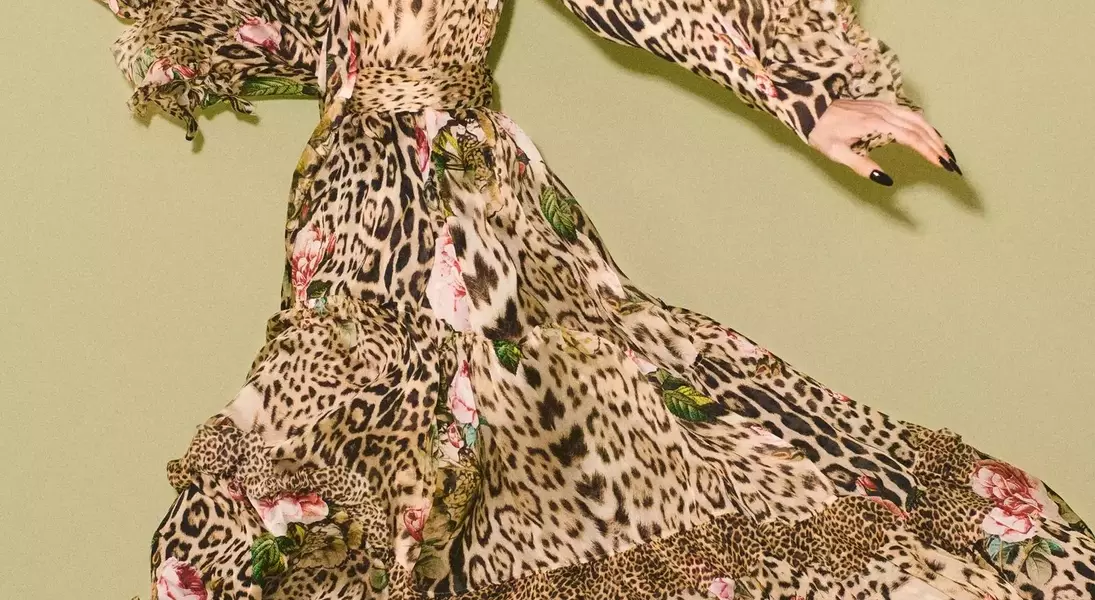
In the dynamic landscape of high fashion, a notable shift is underway as brand management firms increasingly acquire prestigious luxury labels. This trend, exemplified by recent deals involving Marc Jacobs and Roberto Cavalli, aims to leverage cultural appeal for financial gain. However, a crucial question arises: can these firms, traditionally focused on broad market expansion and sales volume, effectively sustain the inherent value of luxury brands, which is deeply rooted in scarcity, meticulous control, and unique cultural resonance? This report delves into the intricate challenges and potential opportunities of this evolving relationship.
Luxury Brands Navigate a New Era of Ownership
In a series of significant announcements over the past week, two iconic names in the fashion industry, Marc Jacobs and Roberto Cavalli, found new homes. Marc Jacobs was successfully acquired by WHP Global, a prominent brand management entity, while the esteemed Italian house of Roberto Cavalli joined the portfolio of Marquee Brands. These recent transitions underscore a burgeoning pattern in the luxury sector, where brand management powerhouses are actively seeking to integrate high-end labels into their diverse collections. Other notable brands that have recently followed this path include Vera Wang, Off-White, Barneys, Vince, and Palm Angels, all now under the stewardship of groups such as Authentic, WHP Global, and Bluestar Alliance.
This strategic move by brand management firms is driven by an ambition to elevate their market presence and harness the intrinsic cultural cachet of these luxury names for substantial financial returns. Yet, a fundamental divergence exists between the operational models of traditional brand management and the nuanced demands of the luxury market. Neil Saunders, the managing director of Globaldata’s retail division, emphasizes that while brand management firms excel at expanding sales through extensive licensing, wholesale partnerships, and diverse collaborations, this approach can often conflict with the core principles of luxury. Luxury brands inherently thrive on control, meticulously cultivated scarcity, and a distinct sense of exclusivity. This inherent tension poses a significant hurdle to fostering a truly harmonious and successful partnership.
Historically, brand management firms have often prioritized the brand name’s commercial value over its intrinsic design integrity, frequently over-relying on licensing agreements without adequately investing in the creative talent and design innovation essential for a luxury brand’s long-term endurance. Christina Binkley, in her 2024 analysis following Bluestar’s acquisition of Off-White, highlighted this issue, noting that neglecting creative investment can easily erode the unique culture vital to a luxury brand's sustained performance. Saunders further cautions that it is remarkably easy to dismantle the delicate cultural ecosystem that underpins a luxury brand’s success.
However, industry perceptions and operational strategies within brand management are beginning to evolve. Marissa Lepor, a managing director at the M&A firm The Sage Group, points out that these firms are moving beyond their traditional role as managers of distressed or legacy intellectual property. Today, the leading platforms are aggressively competing for globally recognized brands that possess enduring cultural relevance. They employ sophisticated strategies encompassing licensing, expanded distribution networks, and broadened product categories to unlock new growth opportunities across various consumer segments. This evolving approach suggests a potential for brand management firms to operate more effectively within the specialized luxury fashion domain.
When these firms pursue luxury acquisitions, their focus often extends beyond current financial performance to the enduring legacy and future potential of the brand names themselves. Yehuda Shmidman, WHP Global’s founder, chair, and CEO, underscored Marc Jacobs’s status as “one of fashion’s most influential brands.” Similarly, Heath Golden, CEO of Marquee Brands, lauded Cavalli as “one of luxury’s defining Italian houses, with a bold creative identity and enduring brand ethos.” These statements highlight a recognition of the brands’ intrinsic value and historical significance.
Despite this renewed focus, a complete overhaul of operational methodologies is not yet in sight. Luca Solca, a luxury goods analyst at Bernstein, observes that brand management firms are adopting a more pragmatic, private equity-like approach. Their priority is to ensure a low break-even point and strong profitability prospects. While they may not compete in the elite "premier league" of luxury, characterized by 100% full-price sales and direct-to-consumer models, they aim for a balanced approach that integrates licensing, wholesale opportunities, and off-price distribution. This strategy, while commercially sound, maintains an inherent tension with traditional luxury norms, which could still impede their ultimate success.
Nevertheless, Solca suggests that these brands operating outside the highest echelons of luxury could, paradoxically, be a positive development. As the leading luxury brands continue to escalate their pricing, alienating a segment of potential buyers, a market gap emerges. This 'white space' offers an opportunity for slightly less exclusive, yet still premium, brands to capture market share. If skillfully managed, brand management firms could guide their newly acquired luxury assets into this promising arena, catering to demand that has been "orphaned" by top-tier brands and their escalating prices. This, Solca concludes, represents a "coming back to reality" for the luxury market.
The critical factor for the long-term success of these mergers lies in the brand management groups' willingness and capacity to embrace a luxury-centric mindset. Luxury brands are painstakingly built over decades, relying on profound cultural relevance, deep emotional connections, and an unwavering commitment to customer satisfaction. As Lepor aptly states, such brand equity is exceptionally difficult to cultivate. Therefore, expanding luxury brands demands not only ambition but also significant restraint. The most adept operators will be those who comprehend how to scale a brand without compromising the distinct identity and strategic positioning that are fundamental to its enduring value.
The fusion of mass-market brand management strategies with the nuanced demands of luxury fashion presents a fascinating dichotomy. While the financial motivations are clear, the true measure of success will be whether these firms can transcend their traditional operational models to respect and nurture the delicate ecosystem of exclusivity and craftsmanship that defines true luxury.
