The landscape for luxury brands during Chinese New Year has undergone a significant transformation, particularly by 2026. What was once effective—simple zodiac themes, red envelopes, or popular celebrity endorsements—is no longer sufficient to capture the attention of a more sophisticated and culturally attuned Chinese consumer. Today's market demands campaigns that transcend superficial gestures, emphasizing genuine emotional depth and precise cultural integration. This evolution reflects a society where traditional Chinese culture is embraced as a lived identity by a younger generation, and post-COVID realities have reshaped perceptions of luxury from external status symbols to intrinsic meaning. Consequently, brands must deliver authentic, nuanced, and culturally precise experiences to resonate in a highly competitive and discerning market.
As Chinese consumers become increasingly rational and selective, particularly in a period of slower economic growth, the luxury sector faces renewed pressure to connect on a deeper level. The generic messages of prosperity and wealth, even when presented with high-profile endorsements or limited-edition collections, are perceived as hollow. The year 2026, specifically the Fire Horse Year, amplifies this need for dynamic and purposeful engagement, signaling a time of decisive action and internal affirmation. Successful campaigns are those that are not merely symbolic but are structurally localized, embedding themselves into the social, emotional, and spatial realities of the holiday, transforming it from an abstract ritual into a deeply felt, contemporary experience.
The Shifting Paradigm of Luxury Campaigns in China
In 2026, the traditional strategies employed by luxury brands for Chinese New Year—such as incorporating zodiac symbols, festive color palettes, generalized messages of prosperity, celebrity endorsements, and limited-edition capsule collections—have largely lost their impact. While these efforts are rarely considered failures, they have become unremarkable in a market that demands more profound engagement. The Fire Horse Year, in particular, with its connotations of movement, independence, and disruptive change, highlights the static nature of these conventional approaches. Consumers are seeking campaigns that offer inner affirmation and a psychological reset, rather than superficial displays. Therefore, generic blessings or star-studded product drops fail to resonate, as they lack the authenticity and emotional depth required to connect with how the holiday is genuinely experienced by individuals and communities.
This shift emphasizes the move from symbolic localization to structural localization, where cultural understanding influences the core framework of a campaign, not just its visual elements. Many brands continue to miss this mark, resulting in campaigns that quickly fade from memory without leaving a lasting emotional impression. The challenge for international luxury brands is to evolve beyond mere cultural courtesy to genuine cultural conviction, allowing Chinese cultural logic to shape narrative forms, collaborations, physical activations, and participatory elements. The few brands that have succeeded in this regard have done so by treating Chinese culture as an integral narrative infrastructure, creating immersive experiences that resonate deeply and authentically with consumers.
Innovations in Cultural Integration: Loewe and Valentino's Success Stories
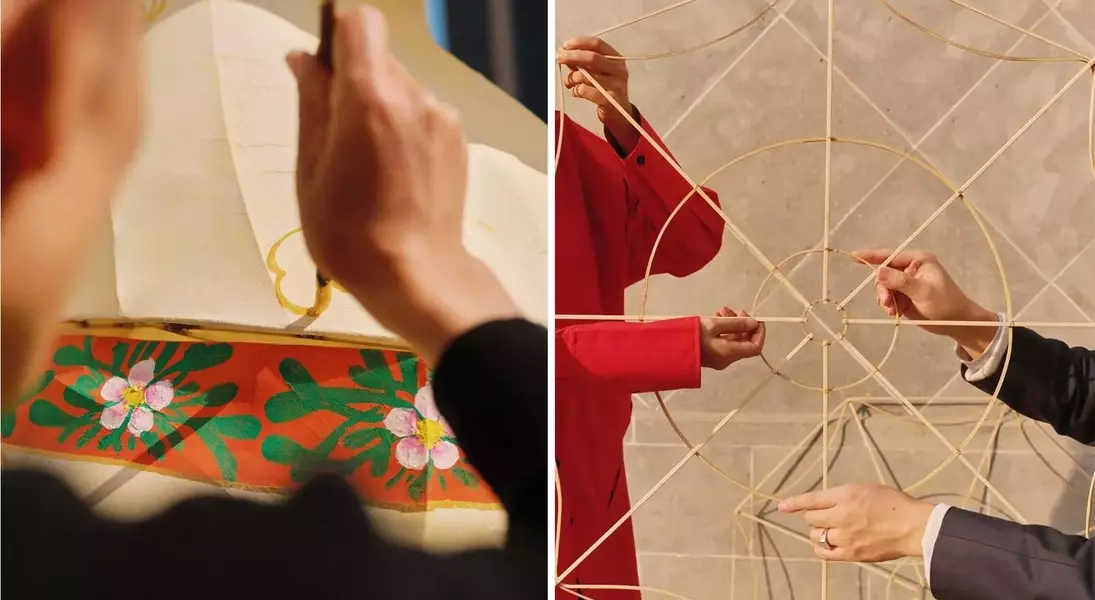
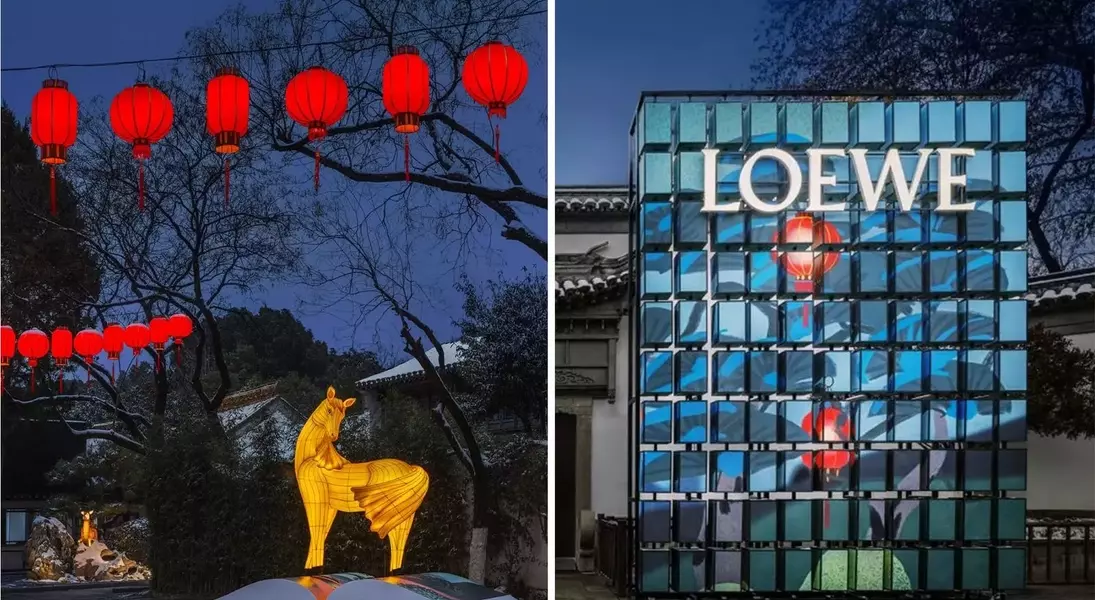
Loewe's 2026 Year of the Horse campaign exemplifies a successful approach by treating Chinese culture not merely as a reference but as a foundational narrative. Collaborating with Shanghai Animation Film Studio, a revered cultural institution, Loewe reinterpreted the classic fable "The Little Horse Crosses the River." This reinterpretation skillfully shifted the focus from nostalgia to a contemporary theme of personal agency, resonating with a generation navigating uncertainty. The casting of Wang Yibo, a highly influential cultural figure, further amplified the campaign's impact, as his narration encouraged personal exploration and self-discovery. Loewe extended this narrative into physical spaces, creating lantern installations and workshops with artisans in locations like Nanjing Yu Garden and the Kerry Centre Shanghai, thereby generating social engagement, driving foot traffic, and reinforcing the brand's association with craft, curiosity, and intellectual engagement.
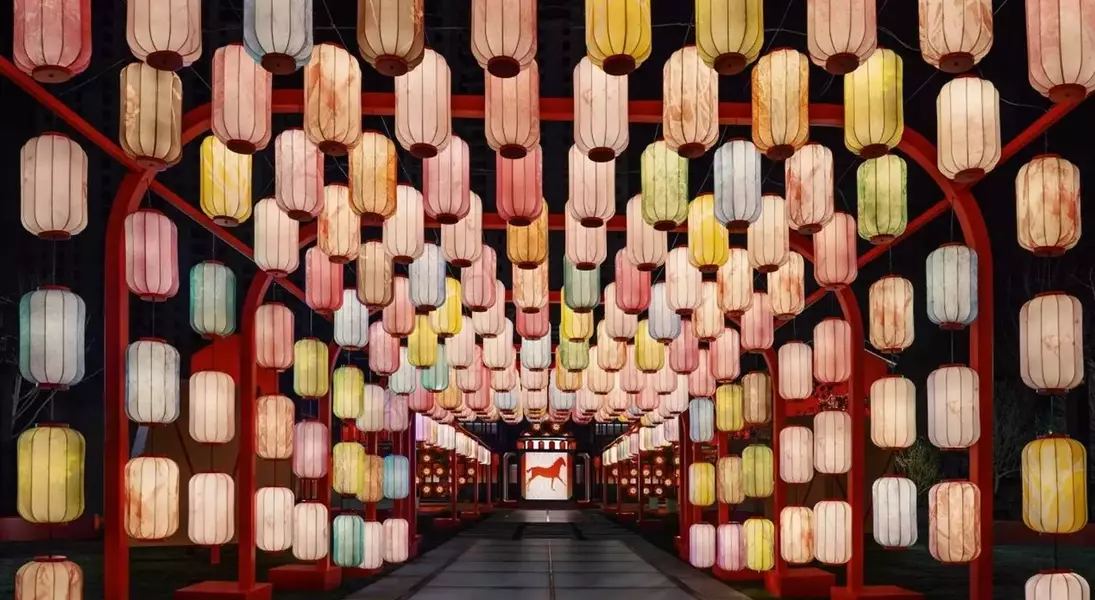
Valentino's "Light Up the Dreams" activation in Shanghai demonstrated a similar underlying logic, albeit with a different tone. Instead of a singular narrative, Valentino created a lantern festival at Tianhou Temple, a functioning ritual site, thereby embedding cultural legitimacy directly into the setting. This choice eliminated the need for explicit explanations of cultural significance. Seven Chinese artists were invited to reinterpret traditional lantern forms through contemporary installations, offering an experience that was deliberately walkable and social, mirroring the atmosphere of neighborhood festivals rather than commercial pop-ups. Valentino positioned itself as a host, facilitating collective experiences rather than staging a mere spectacle. This approach allowed the brand to seamlessly integrate into the rhythms of people's lives, reflecting a new competitive landscape where success hinges on fitting naturally into how people think, live, and move through cultural spaces, rather than simply being "on theme.
