The automotive industry is bracing for another round of price increases as luxury giants BMW and Porsche confirm significant adjustments to their 2026 model year lineups. This move is largely attributed to the compounding effects of global inflation and the implementation of new tariffs, which are pushing manufacturing and import costs higher. Consumers eyeing these premium vehicles should anticipate a notable rise in expenditure, with specific models seeing substantial hikes as early as January 2026.
Luxury Automobile Price Surges Expected in 2026
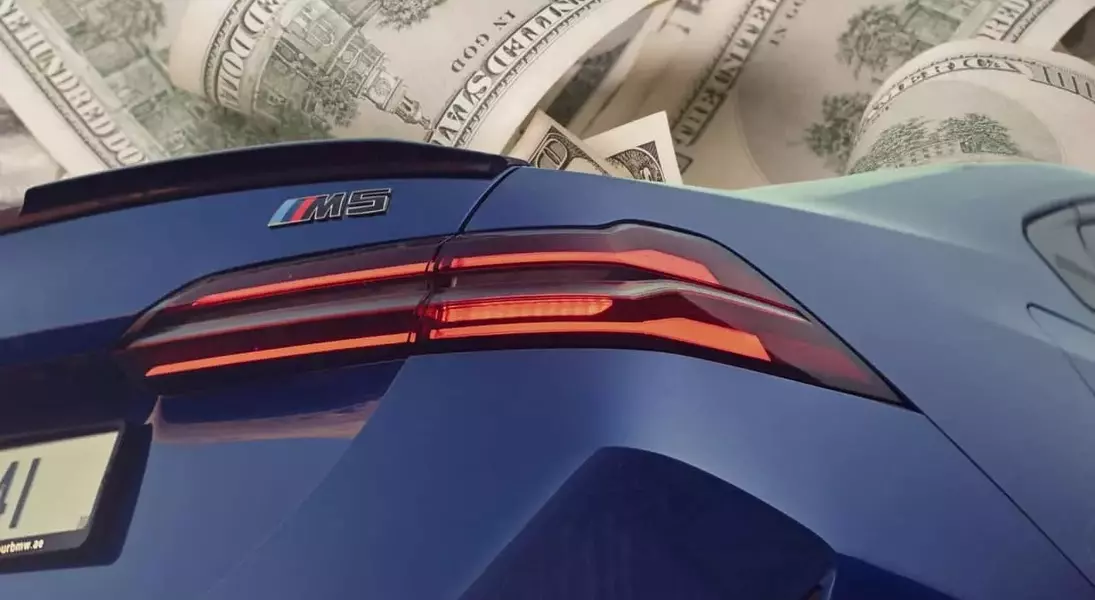
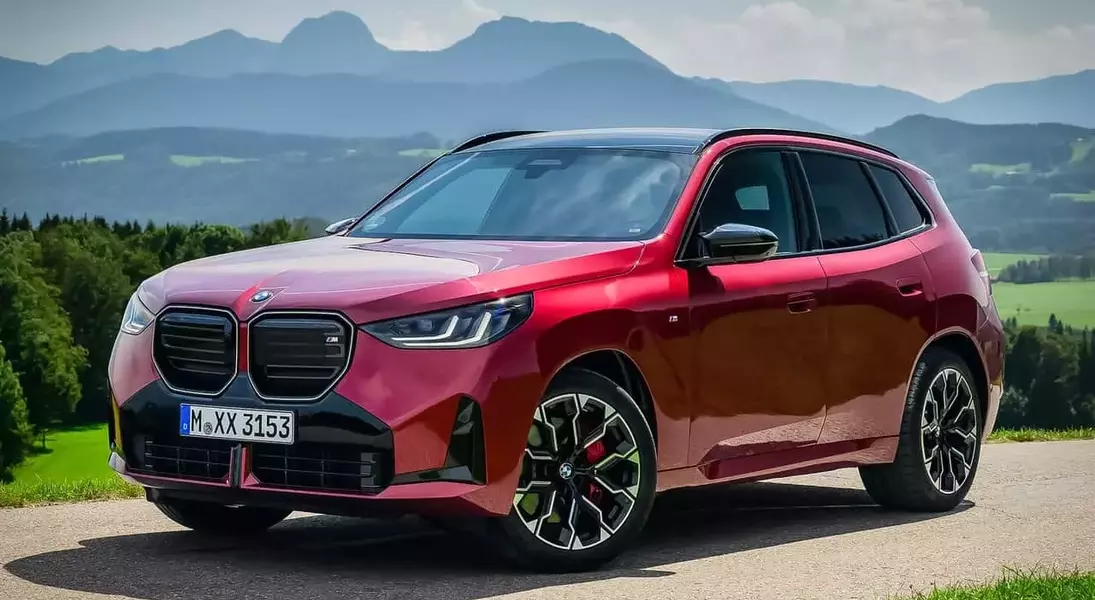
BMW has announced that a range of its models will experience price increases starting January 1, 2026. Data revealed through an internal bulletin indicates that these adjustments will vary from a modest $400 for entry-level vehicles like the 2 Series Gran Coupe, X1, X2, and X3 SUVs, to a more substantial $1,500 for high-performance variants such as the X6 M Competition. The new M5 sedan and its Touring counterpart will also see a $1,400 increase. Interestingly, BMW's electric vehicle portfolio, including the i4, i5, iX, and i7, along with the Alpina XB7, 7 Series, XM, and the recently introduced M2 CS, will remain unaffected by these latest price revisions. This marks the second time BMW has raised prices for its 2026 models in recent months, with the M5 Touring's price now exceeding $131,000, representing a $3,800 cumulative increase from the previous year.
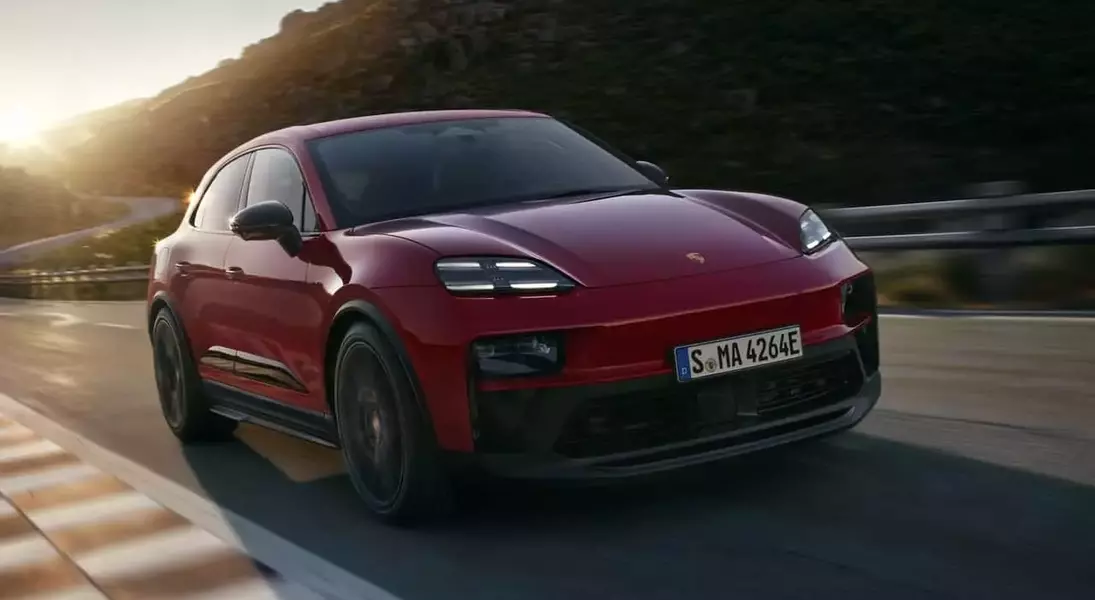
Meanwhile, Porsche is also set to implement price hikes across most of its lineup, commencing on January 2, 2026. A company spokesperson confirmed that these adjustments, ranging from 1.2 to 2.9 percent depending on the model, are a direct response to current market conditions. Porsche, which has a smaller manufacturing footprint in the United States compared to BMW, is reportedly more susceptible to the impact of tariffs. This will be Porsche's third price increase within a short period, following previous hikes of 2.3 to 3.6 percent in July. According to Porsche CFO Jochen Breckner, the tariffs imposed by President Trump have already cost the company approximately $813 million in 2025 alone, especially a 15-percent tariff on vehicles imported from the European Union that began on August 1, 2025. Other luxury brands, such as Lexus and Volvo, have also increased prices in response to similar tariff pressures, indicating a broader trend across the luxury automotive market.
The current economic climate, characterized by persistent inflation and escalating trade tariffs, is significantly reshaping the landscape of the luxury automotive market. For consumers, this trend underscores the importance of staying informed about pricing dynamics and making purchasing decisions accordingly. For automakers, it highlights the ongoing challenge of balancing premium positioning with cost management in an increasingly complex global trade environment. The cumulative impact of these increases may push some models further out of reach for potential buyers, fostering a reevaluation of luxury vehicle accessibility and value.
