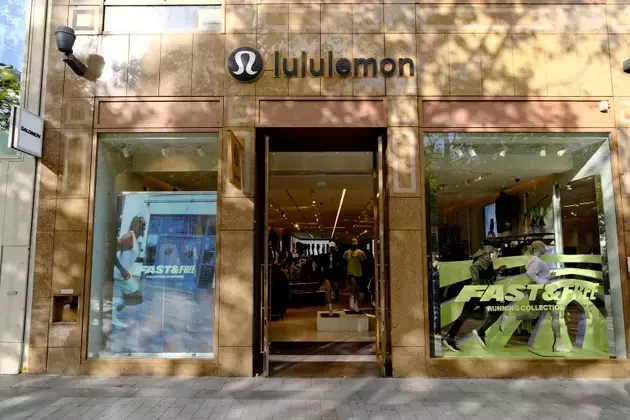
Lululemon, once a leader in transforming athletic wear into a fashion statement, is grappling with significant market shifts. The brand, recognized for its pioneering role in the athleisure movement, now faces a critical juncture as its core North American market experiences a decline in sales. This downturn is compounded by an acknowledgment from management that the brand's offerings have become overly predictable, potentially losing their innovative edge. Despite these challenges, the company's stock, trading under the ticker LULU, continues to command a premium valuation relative to its counterparts in the luxury apparel sector, raising questions about its current market position and future trajectory.
Lululemon's Market Woes: A Deep Dive into Declining Sales and Stagnant Innovation
Lululemon Athletica (LULU), a brand celebrated for its pivotal role in elevating athletic wear to mainstream fashion, is currently navigating a period of considerable challenge. The company, which successfully blended comfort with style to define the 'athleisure' trend, is now confronting a significant downturn in its North American sales, a region traditionally considered its strongest market. This sales slump is a critical indicator of shifting consumer preferences and intensified market competition. In a candid admission, Lululemon's leadership has acknowledged that certain aspects of their brand, particularly product innovation, have become 'too predictable,' suggesting a potential stagnation in design and offering that may no longer resonate with their dynamic customer base. This predictability has led to concerns about the brand's ability to maintain its aspirational appeal. Adding to the complexity, LULU's stock continues to trade at a high valuation when compared to other luxury apparel brands. This elevated valuation, juxtaposed with declining sales and acknowledged product predictability, prompts investors and market analysts to re-evaluate the company's intrinsic worth and future growth prospects. The market appears to be in a transitional phase, moving beyond the peak of the athleisure trend, and Lululemon must strategically adapt to these evolving dynamics to secure its long-term viability and growth.
The challenges Lululemon faces highlight the dynamic nature of the fashion and retail industry. Brands, no matter how iconic, must continuously innovate and adapt to stay relevant. The company's situation serves as a compelling case study for investors and business leaders on the importance of market responsiveness and sustained product development, even when enjoying a dominant market position. For Lululemon, the path forward will undoubtedly involve a renewed focus on design originality and a re-evaluation of its market strategy to reignite growth and justify its premium market valuation.
