This article explores the journey of "The Beast Is Not to Blame," a poignant queer coming-of-age film by Luis Diego Pérez, as it secures crucial international co-production support. It delves into the director's personal motivations, the film's narrative themes, and the broader context of emerging queer voices in Latin American cinema.
Unveiling a Journey of Self-Discovery and Cinematic Collaboration
Securing International Co-Production for a Tender Narrative
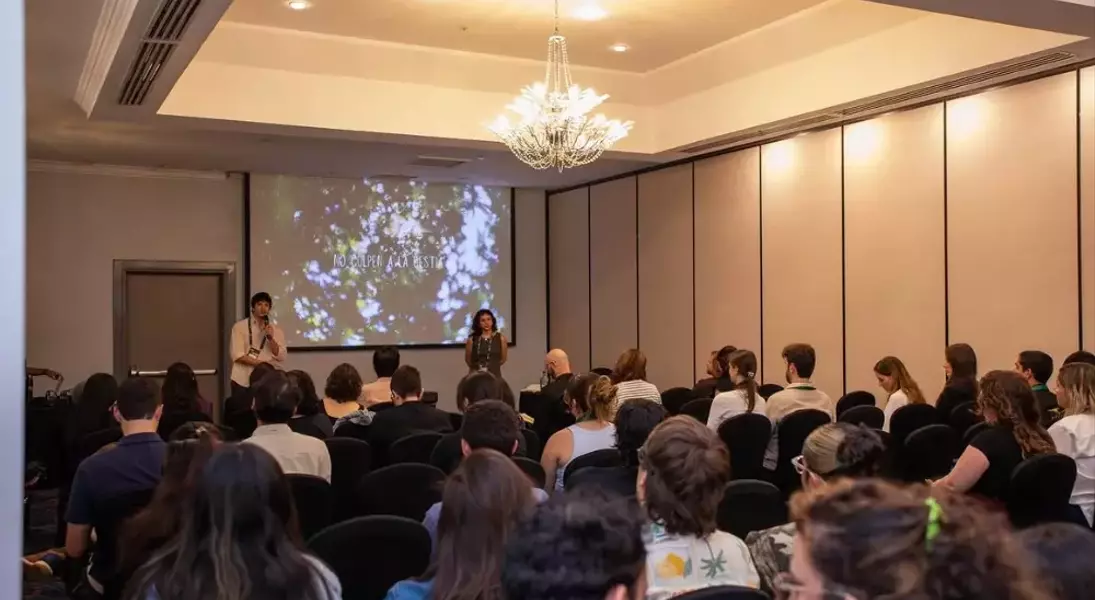
The highly anticipated queer coming-of-age film, "The Beast Is Not to Blame," directed by Luis Diego Pérez, has recently garnered significant international backing. Costa Rican production company Dos de Patos has joined as a co-producer, while Panama's Expansiva Cine will act as a co-developer. This collaborative milestone comes on the heels of the film receiving a prestigious residency prize at the Desde El Centro showcase, a highlight of the Costa Rica Media Market.
Exploring the Intricate World of Young Iván
At its core, "The Beast Is Not to Blame" follows the introspective journey of nine-year-old Iván. As he meticulously prepares for his First Communion, his world is unexpectedly shaken by the departure of his closest friend. Their bond, which transcended typical childhood camaraderie through mystical moments in the Costa Rican wilderness, leaves Iván grappling with unspoken grief and the challenge of navigating profound loss in solitude.
A Director's Personal Reflection and Creative Vision
In a recent conversation, Pérez revealed that the film has been a long-gestating project, born from a deep-seated need to revisit his own childhood experiences as a queer individual. He articulated a desire to bridge the gaps in his memory and give tangible form to the fragmented, yet powerful, moments of his past. The creative process involved confronting emotions of fear, doubt, and guilt, alongside the vibrant joy and wonder of growing up as a Latino boy.
The Genesis of a Story: Memories and Magic
Pérez recounted how a flood of vivid memories informed the narrative: everyday family life, the mystical allure of religion, the transformative feeling of his First Communion, the subtle dance between boyhood friendship and nascent romance, the unspoken understanding within his family regarding his unique identity, and his persistent quest for acceptance in a world that often felt unwelcoming. Despite these challenges, Pérez emphasized the child's innate ability to find enchantment in ordinary moments, a sentiment that ultimately shaped the film's emotional tone.
Influences and the Rise of Queer Latin American Cinema
Drawing inspiration from the empathetic storytelling of filmmakers like Chloe Zhao and Carla Simón's authentic portrayals of childhood, Pérez aims to craft an atmospheric and introspective film. He seeks to evoke emotion through suggestion rather than explicit narrative, reconnecting with the childlike sense of wonder found in both nature and spirituality. Pérez also highlighted the burgeoning presence of queer voices in Costa Rican cinema, pointing to upcoming works such as Andrés Madrigal's "Lost Men" and Federico Montero's "Men Die Sooner" as examples of a fresh and distinct perspective on the gay male experience in the region.
The Power of Authentic Co-Production
Paula Vázquez, producer at Dos de Patos, expressed her long-standing belief in Pérez's vision, noting that the film offers a refreshing perspective to Costa Rican cinema. She emphasized the story's unique blend of magic, tenderness, and unflinching honesty regarding the loneliness of growing up different in a religious Latin American environment. Similarly, Isabella Gálvez of Expansiva Cine shared her admiration for the story's sensitivity, viewing their Panamanian support as a meaningful step towards creating more space for queer childhood narratives in the region. Both producers underscored the importance of Latin American co-production, ensuring that films remain true to their cultural roots and resonate deeply with audiences across the continent.
