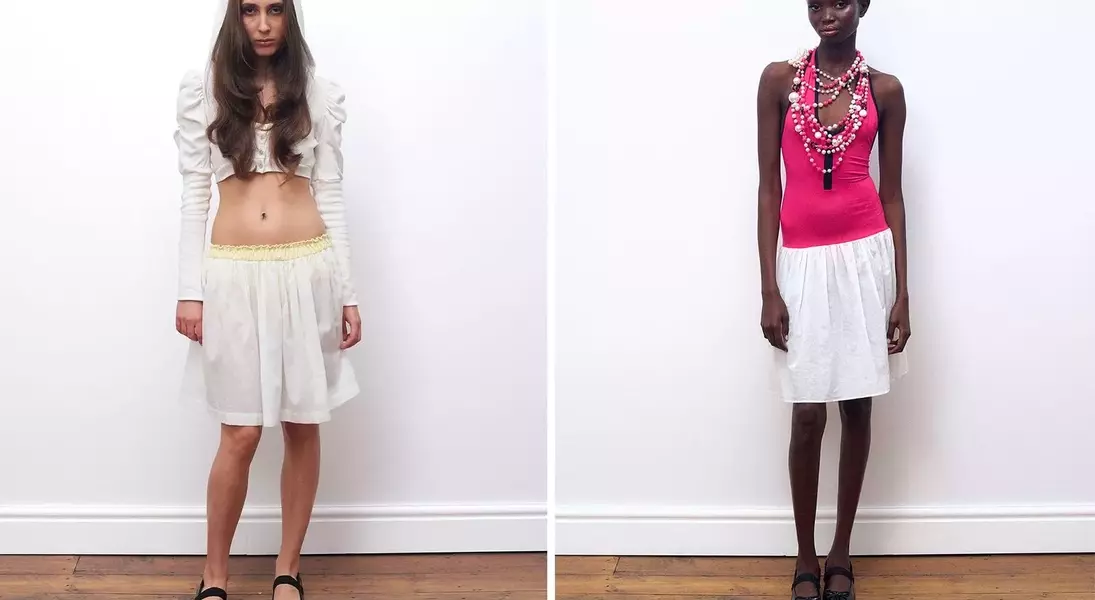
Lucila Safdie is a rising star in the fashion world, known for her unique design aesthetic and innovative approach to brand building. Rather than relying solely on traditional marketing and algorithmic growth, Safdie has cultivated a loyal following through authentic community engagement, screening women-directed films, and hosting intimate events. This strategy has not only resonated with her audience but has also fueled significant financial growth and global expansion for her brand. Her journey from a challenging graduation during the pandemic to a thriving designer showcases a commitment to creative integrity and genuine connection.
Cultivating Connection: Lucila Safdie's Visionary Brand Journey
The Genesis of a Distinctive Style: From Wembley Stage to Global Recognition
Last summer, pop sensation Addison Rae graced the Wembley Stadium stage as the opening act for Lana Del Rey, a milestone in her career. For this significant performance, Rae, along with her dancers, wore a bespoke striped ensemble by Lucila Safdie. This moment highlighted Safdie's growing influence, as she has become a favored designer among a new generation of internet-savvy style icons, including Alex Consani and Rachel Sennott.
Defining the Safdie Aesthetic: A Blend of Nostalgia and Modernity
Safdie's design philosophy is deeply rooted in a distinctive aesthetic that appeals to a Tumblr-raised generation with a penchant for Sofia Coppola's cinematic vision. Her collections effortlessly blend glamour with a touch of melancholy, manifesting in pieces like Peter Pan-collared tops, micro-shorts, ruffled skirts, neon bodysuits with daring cutouts, polo shirts with sculpted puff sleeves, headbands, and knee-high stockings. Positioned as an accessible premium brand, her creations range from over £30 for accessories to mid-hundreds for dresses, making them attainable within the contemporary designer market. Safdie is set to present her second collection at London Fashion Week, further solidifying her presence in the industry.
Building a Brand Through Authentic Community Engagement
While often associated with internet-driven trends, Safdie's brand has achieved remarkable scalability through real-world community building. In contrast to many young London designers who invest heavily in extravagant runway shows to generate buzz, Safdie has prioritized fostering a grassroots community. She hosts East London cinema clubs, showcasing women-directed films that inspire each collection, such as Kinuyo Tanaka's Girls of the Night and Agnès Varda's Cléo from 5 to 7. These events, alongside intimate studio pop-ups and exclusive brand dinners, create a direct and personal connection with her audience.
Strategic Growth and Expanding Market Presence
This community-centric approach has yielded substantial commercial success. Direct-to-consumer sales constitute 75% of her revenue, with wholesale contributing the remaining 25%. The brand has experienced over 50% year-on-year sales growth, coupled with increasing international recognition and an expanding retail footprint. Lucila Safdie now collaborates with 10 retail partners across Australia, China, Japan, the US, Georgia, and South Korea. With strategic sponsorship, overall revenue doubled from 2023 to 2025, and production volumes are projected to increase by nearly 80% next season to meet escalating demand. Safdie acknowledges the support she has received, noting, “Our most recent London presentation, supported by Nike and held at the Argentine embassy, reflected both our international momentum and the backing we are receiving from Argentina as we expand abroad.” However, as the brand accelerates its growth, the challenge lies in maintaining the intimate essence that has been central to its power without diluting it.
Navigating Creative Evolution Beyond a Single Hit Product
Safdie's journey began with a desire to create something authentic, especially after graduating from Central Saint Martins during the Covid-19 pandemic without the usual resources. Her debut collection in 2021, crafted while awaiting her Spanish passport, introduced key elements of her aesthetic: schoolgirl silhouettes, cinematic references to Sofia Coppola's Lick the Star, and the soft allure reminiscent of early 2010s American Apparel. The ruffled Peachy shorts, in particular, became an instant hit, gaining traction with influencers like Devon Lee Carlson and rap artist Sexy Redd, and quickly selling out.
From Viral Sensation to Enduring Brand Identity
The viral success of the Peachy shorts presented Safdie with a pivotal choice: capitalize on the immediate demand by mass-producing the shorts, or leverage the momentum to build a sustainable brand rooted in design integrity. She opted for the latter, stating, “I studied design—that’s what I love doing—so I was like, ‘OK, I have a platform now that I can grow and make what I want.’” This decision has been instrumental in shaping the brand's trajectory. Instead of being defined by a single product, Safdie expanded her creative narrative across subsequent collections, exploring tailoring and Old Hollywood influences. Initially, she even removed the Peachy shorts from her second collection, only to reintroduce updated versions as part of a broader strategy to balance signature pieces with continuous evolution. This dynamic tension between maintaining recognizable elements and showcasing creative development remains central to her brand's approach.
Diversifying Offerings and Strategic Product Positioning
Today, Lucila Safdie's revenue streams are more diversified. Headbands, bikinis, various shorts, and polo shirts serve as the commercial foundation, providing accessible entry points into her unique world. Safdie highlights the success of the polos, attributing it to their wearability and strategic pricing. This diversified product ladder allows customers to engage with the brand at different levels: entry-level items encourage immediate purchases, while more avant-garde runway looks reinforce the brand's fantasy and press narrative. The ongoing challenge for Safdie is to retain the distinct recognizability that made the Peachy shorts a breakout success, without allowing them to exclusively define her brand.
Transforming Engagement into Economic Value
Safdie's most innovative growth engine lies in the ecosystem she cultivates around her garments. In an industry often dominated by digital advertising and influencer marketing, Safdie has deliberately prioritized tangible, in-person experiences. These physical gatherings bridge the gap between the designer and her patrons, transforming a potentially passive online audience into a vibrant and active community. This philosophy is exemplified by personal anecdotes, such as the designer hand-selecting books for guests at a dinner, or the clear identification of her community at film screenings: “When we do a pop-up or a film club and we see girls walking down the street, we’re like, ‘OK, they’re coming to the pop-up.’ You immediately know. It’s not even a question mark.”
Authenticity as a Commercial Driver and Global Expansion
The brand's identity is deeply intertwined with Safdie herself and the women who inspire her, reflecting a blend of personal references and lived experiences. Her instinct-driven approach, such as her decision not to create menswear because she lacks a personal connection to it, has significant commercial value. It cultivates a customer base that sees itself reflected in the brand, creating an intimate understanding between the brand and its audience. Crucially, community building was an organic development, not a calculated marketing tactic. “It wasn’t like, ‘Oh, I’m going to make the film club for marketing.’ It was more like, ‘I want to decide which movies I want to watch on the big screen and invite all the girls that like the brand.’” The next phase for Safdie involves geographic expansion. With approximately 65% of demand originating from the US, around 20% from Asia, and the remainder from Europe, she plans to replicate her successful in-person model internationally. Rather than merely pursuing wholesale expansion, she envisions a cultural replication, recreating the intimate atmosphere of her East London screenings and studio gatherings in global cities where her online audience is concentrated. Her runway aspirations are equally measured. While open to the idea of a full fashion show eventually, she currently finds the more intimate presentation format more enjoyable and fitting for her brand's current stage. In a market saturated with brands chasing algorithmic validation, Safdie's approach stands out as refreshingly countercultural: build a compelling world, gather a dedicated community, and the sales will naturally follow.
