
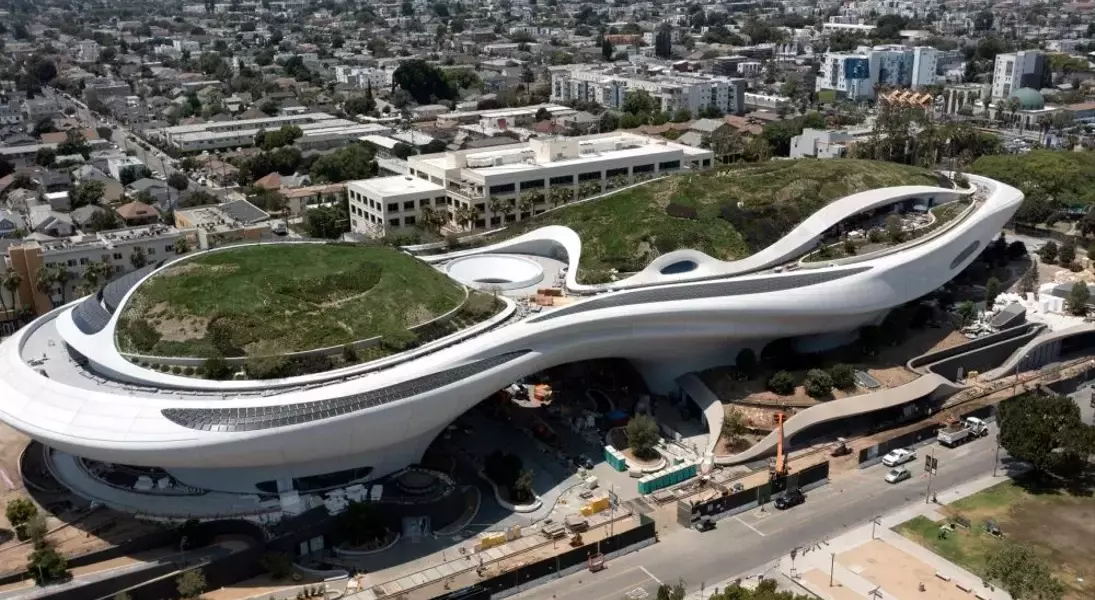
The Lucas Museum of Narrative Art is set to become a vibrant cultural hub, and in a gesture of community goodwill, it will offer free access to its immediate neighbors in South Los Angeles. This move underscores the institution's commitment to inclusivity and local engagement, allowing residents to experience the museum's offerings before its grand opening.
Lucas Museum Extends Complimentary Access to Local Community Ahead of Grand Opening
In a significant announcement made on July 9, 2026, the forthcoming Lucas Museum of Narrative Art, a visionary project spearheaded by cinematic luminary George Lucas and his wife, Mellody Hobson, revealed plans to provide complimentary entry to residents within its immediate vicinity in South Los Angeles. Specifically, individuals residing in the 90037 zip code will be eligible for a special LM37 pass, granting them free access to the museum's galleries. This initiative precedes the institution's official public debut scheduled for September 22. A dedicated Community Preview Day is slated for September 13, offering community partners, local entrepreneurs, and civic figures an exclusive early viewing of the expansive facility. Tracey Bates, CEO of the Lucas Museum, articulated the rationale behind this decision, emphasizing the museum's desire to integrate deeply with the local community that has witnessed its eight-year construction. The 100,000-square-foot complex, featuring gardens meticulously designed by Mia Lehrer and Studio-MLA and an architectural marvel by Ma Yansong of MAD, will house an initial display of 1,300 items. These exhibits are curated to explore how narrative art and visual storytelling have historically unified communities, inviting visitors to embark on personal interpretive journeys without predefined directives.
This thoughtful outreach by the Lucas Museum of Narrative Art sets a commendable precedent for cultural institutions. By prioritizing community access and engagement, especially for those in the immediate neighborhood, the museum not only builds a foundation of local support but also reinforces the idea that art and culture should be accessible to everyone. It's a powerful reminder that cultural spaces can serve as unifying forces, fostering a sense of belonging and shared discovery. This approach ensures that the museum is not just a landmark but a truly integral part of the community it inhabits.
