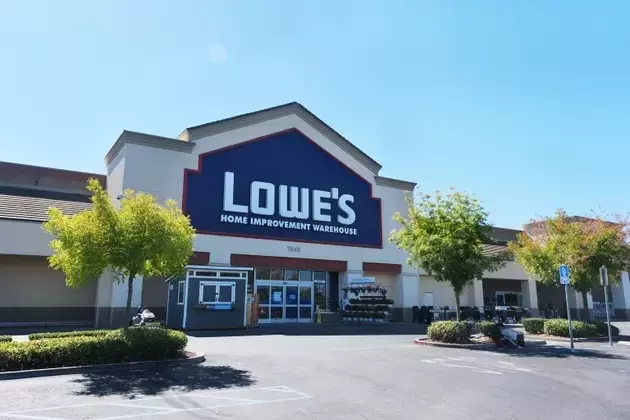
This report delves into the recent financial performance of Lowe's Companies, Inc., examining its second-quarter results and providing an outlook on its future prospects. The analysis highlights key operational segments, market challenges, and valuation considerations that inform an investment recommendation.
Lowe's: Awaiting Clear Skies in a Stormy Market
Understanding Lowe's Second Quarter Performance
Lowe's recently announced its second-quarter financial outcomes, which revealed a somewhat inconsistent picture. Comparable store sales remained stagnant, and the company's fiscal year 2026 projections were notably conservative, prompting a less enthusiastic response from the market. This mixed performance follows a period of relative stability for the stock.
Dissecting Segment Strengths and Market Headwinds
A closer look at Lowe's operational segments shows a distinct divergence. The professional customer (Pro) division demonstrated commendable strength, indicating a resilient demand base within this sector. However, this positive trend was counteracted by persistent macroeconomic pressures and a notable softening in the do-it-yourself (DIY) market, which continues to struggle with reduced consumer spending.
Strategic Initiatives vs. Cyclical Challenges
Lowe's has been actively pursuing structural improvements, including expanding its Pro services and enhancing digital sales capabilities. These initiatives are crucial for long-term growth and market positioning. Yet, their impact is currently overshadowed by the cyclical downturn in DIY demand and fierce competitive landscapes, making it challenging for these strategic moves to drive significant short-term gains.
Investment Outlook and Valuation Concerns
From a valuation perspective, Lowe's shares currently appear fully priced, suggesting limited upside potential at present. The prevailing uncertainties surrounding consumer spending and the broader economic environment contribute to a cautious outlook. Consequently, the stock is unlikely to generate substantial returns over the next five years, leading to a maintained 'Hold' recommendation.
Concluding Thoughts on Lowe's Future Path
While Lowe's possesses inherent strengths and strategic plans for future expansion, particularly in its Pro and digital channels, the immediate future is clouded by macro-economic challenges and a weak DIY market. Investors should anticipate a period of modest performance, as the company navigates these headwinds and works to realize the full potential of its strategic initiatives.
