For over a century, the distinctive monogram of Louis Vuitton has transcended mere ornamentation to become the defining characteristic of the esteemed luxury house. Conceived in 1896 by Georges Vuitton, in remembrance of his father Louis, this initial monogrammed canvas immediately enshrined the French brand's unique heritage. As articulated by Pierre-Louis Vuitton, Georges' great-great-grandson, it represents far more than a mere design; it embodies the fundamental identity of Louis Vuitton, born from four decades of diligent research and unwavering commitment to forging an unmistakable brand presence. Approaching 2026, a remarkable 130 years on, this profound sentiment endures.
The Enduring Legacy of Louis Vuitton's Monogram: A Journey Through Time and Style
The journey of the Louis Vuitton monogram is a captivating narrative woven through the fabric of fashion history, celebrating its 130th anniversary as a symbol of unparalleled luxury and creative evolution. The iconic 'LV' emblem, meticulously crafted in 1896 by Georges Vuitton, swiftly became the indelible signature of the French maison, solidifying its distinct identity in the world of high fashion. As Pierre-Louis Vuitton, a direct descendant of the founder, eloquently puts it, this monogram is not merely a pattern, but the very soul of the brand, a culmination of relentless dedication and innovative spirit that has defined Louis Vuitton for generations.
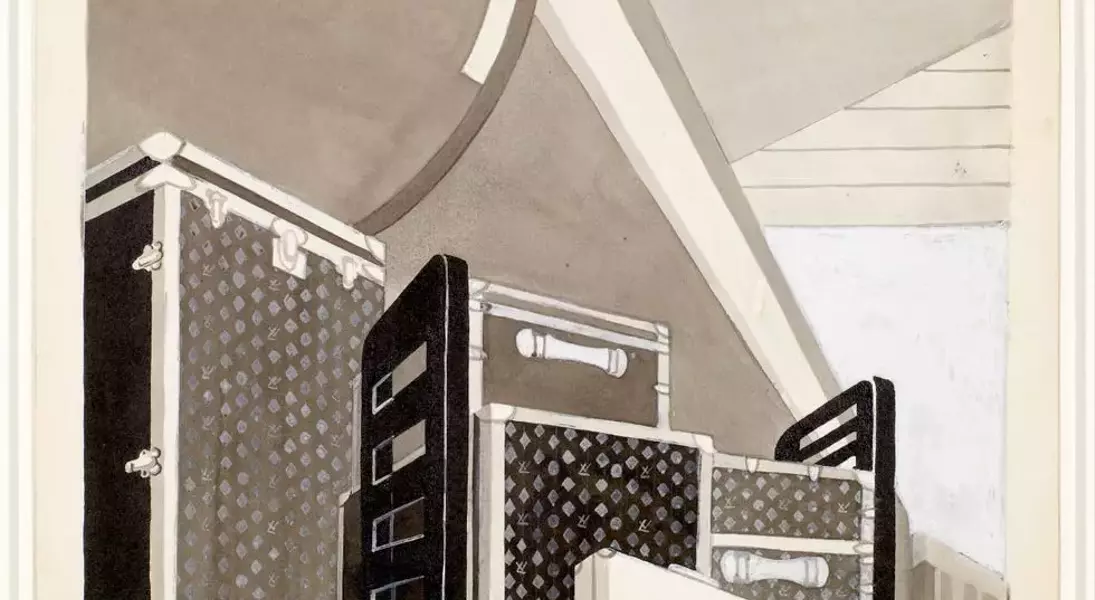
Throughout the 20th century, the monogram's influence expanded exponentially. Initially gracing an array of travel essentials, from elegant trunks to sophisticated hatboxes, its widespread adoption mirrored Louis Vuitton's global expansion. Key moments in this growth included the opening of the flagship store on the prestigious Champs-Élysées in 1914, followed by international outposts in bustling cities like Osaka, Seoul, and Hong Kong in 1978. This strategic dissemination ensured the monogram's ubiquitous presence, transforming it into a universally recognized symbol of luxury travel and refined taste.
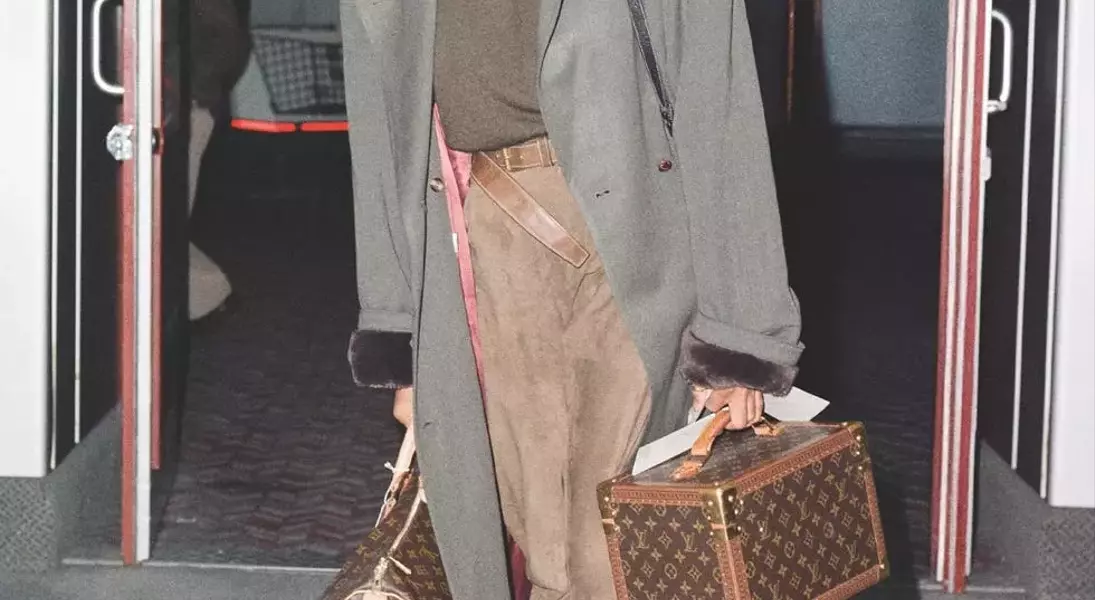
While travel accessories laid the groundwork for Louis Vuitton's illustrious history, it was the emergence of its iconic handbag silhouettes that truly catapulted the monogram into the realm of pop culture legend. The Speedy, Keepall, and Noé bags, introduced in the early 1930s, garnered immense popularity in the latter half of the century and continue to captivate fashion enthusiasts with their timeless allure, nearly a hundred years later. It's almost impossible to revisit celebrity style archives without encountering the unmistakable flash of the monogram, whether it's Tina Turner's chic duffel bag or Regina George's coveted limited-edition Takashi Murakami cherry-blossom pochette from the film Mean Girls, underscoring its enduring appeal across generations and cultural touchstones.
A pivotal moment in the monogram's journey was its 100th anniversary in 1996. To commemorate this milestone, Louis Vuitton invited an esteemed roster of creative luminaries, including Azzedine Alaïa, Manolo Blahnik, Isaac Mizrahi, and Sybilla, to reimagine the iconic pattern through their unique artistic lenses. This groundbreaking initiative paved the way for a series of celebrated collaborations with influential artistic directors and designers, such as Takashi Murakami, Stephen Sprouse, Yayoi Kusama, and even the streetwear giant Supreme in 2017. These partnerships infused new energy and contemporary relevance into the classic design, ensuring its continued resonance with diverse audiences.
As Louis Vuitton embarks on its next century, preparing to celebrate the 130th anniversary of this iconic emblem, the brand reaffirms its commitment to both honoring its rich past and embracing a dynamic future. This enduring legacy is carried forward through revered icons like the Alma, Speedy, Keepall, Neverfull, and Noé bags, cherished and passed down through generations. To mark this significant anniversary, the house plans a series of global exhibitions and exclusive limited-edition artistic collaborations, all dedicated to showcasing the profound and lasting influence of the monogram. The monogram, as eloquently stated by Vuitton, remains a boundless canvas for innovation, a blank slate that continually inspires the artistic and creative directors of Louis Vuitton. It stands not only as a powerful testament to the brand's heritage but also as a symbol that continues to captivate and resonate across the globe.
The longevity and widespread appeal of the Louis Vuitton monogram offer a profound insight into the power of consistent brand identity and strategic artistic collaboration. It reminds us that true luxury is not just about material possessions, but about a narrative woven through time, celebrated by diverse individuals, and continuously reinvented while staying true to its core essence. This ongoing evolution, blending heritage with avant-garde creativity, underscores a valuable lesson for any brand aiming to achieve iconic status and maintain relevance across centuries.
