Lotus Technology has successfully acquired full ownership of Lotus UK, effectively merging the renowned British sports car manufacturer and its engineering division into a single, cohesive business unit. This significant integration, finalized on August 21, 2026, marks a pivotal moment for the brand, unifying its traditional performance car heritage with its ambitious electric vehicle strategy. The move is designed to create a singular vision and operational framework, ensuring that Lotus's celebrated engineering prowess is directly channeled into its future electric offerings.
This consolidation is expected to have a profound impact on the development of future Lotus models, including the continuation of its iconic sports cars and the expansion of its electric vehicle portfolio. By bringing all aspects of design, engineering, and manufacturing under one roof, Lotus aims to enhance efficiency, foster innovation, and more effectively execute its long-term strategic objectives. The company's leadership emphasizes that this organizational change will allow for a more streamlined approach to product development, blending British sports car expertise with advanced electric propulsion technologies.
Lotus Tech's Strategic Acquisition and Integrated Vision
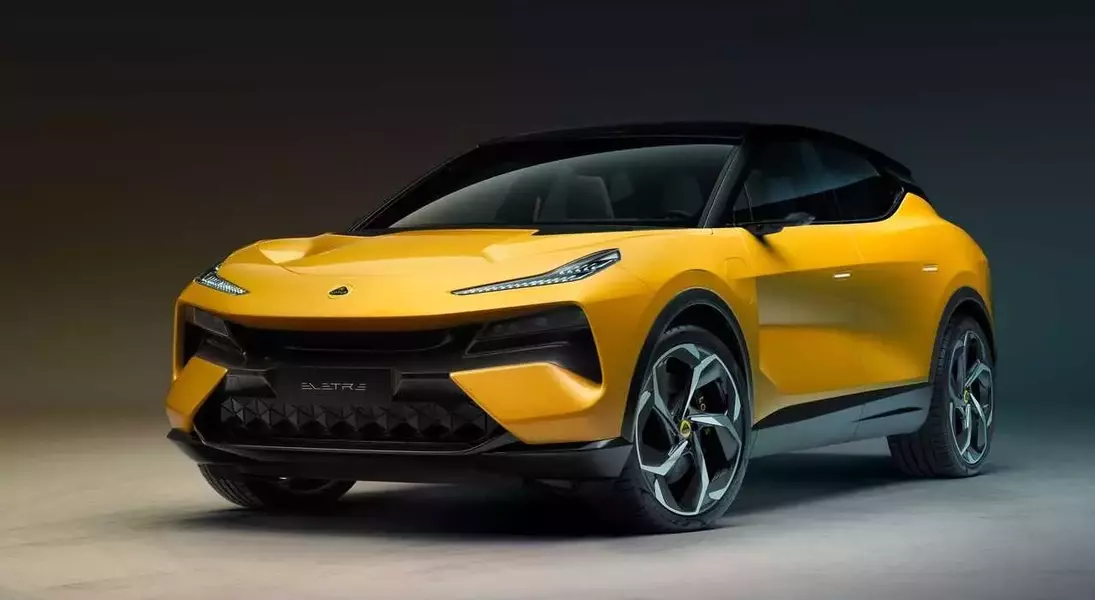
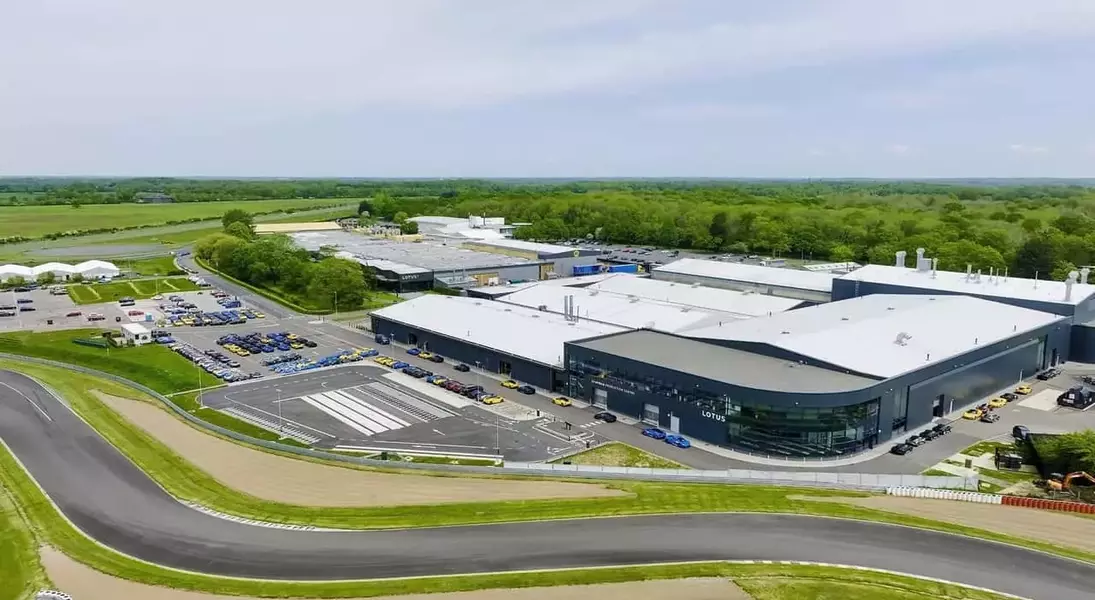
Lotus Technology's complete absorption of Lotus UK, encompassing the Hethel manufacturing facility and the Lotus Engineering consultancy, signifies a monumental shift in the company's operational structure. This strategic consolidation, finalized in late August 2026, aims to dissolve the historical separation between the British sports car division and its Chinese-backed parent company's electric vehicle initiatives. This unification under a single command structure, as articulated by CEO Qingfeng Feng, is geared towards establishing 'one brand and one strategy,' moving past decades of fragmented priorities. The integration is expected to accelerate the transfer of Hethel's renowned chassis and lightweighting expertise directly into Lotus Tech's electric SUV and sedan programs, which is crucial for achieving the company's ambitious 'Focus 2030' strategy. This alignment is particularly timely, given recent job reductions at the Hethel plant, which underscore the financial pressures often accompanying such large-scale corporate integrations, even as the company champions engineering synergy.
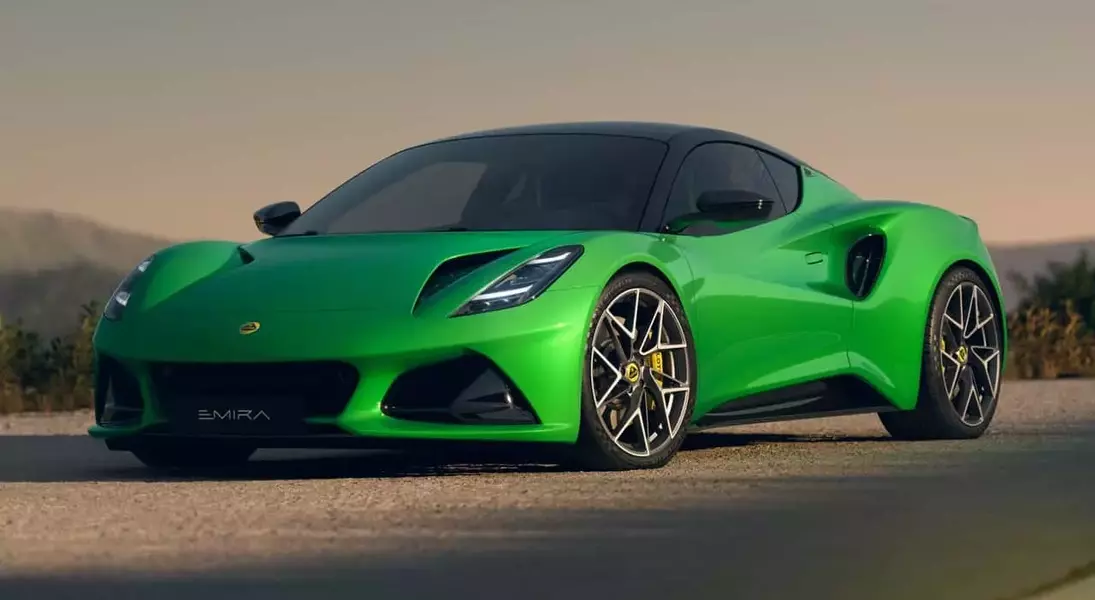
The acquisition effectively incorporates Lotus Advance Technologies Sdn Bhd, the formal designation for Lotus UK, into the broader Lotus Tech corporate framework. This means that the production lines at Hethel, responsible for crafting models such as the Emira and Evija, now fall under the same leadership overseeing the development of Lotus Tech’s electric utility vehicles and sedans. This structural change eliminates the previous corporate divisions that often led to Hethel's chassis development running parallel to, rather than integrated with, the electric vehicle platforms. The goal is to ensure that British engineering excellence is seamlessly combined with electrified platforms. Furthermore, the timing of this acquisition, following workforce adjustments at Hethel, suggests a clear focus on cost optimization and operational efficiency, aiming to leverage integrated engineering for greater overall output and strategic coherence. This decisive move is set to reshape how Lotus approaches vehicle development, prioritizing a unified approach that combines its rich heritage with its electrified future.
Implications for Future Performance Electric Vehicles
The integration of Lotus Engineering's extensive consulting expertise into Lotus Technology is poised to significantly impact the development of the brand's future performance electric vehicles. Previously, Lotus Engineering dedicated considerable efforts to advising external automotive manufacturers and Tier 1 suppliers on crucial aspects like lightweight construction, advanced aerodynamics, and refined chassis dynamics—the very attributes that define the distinctive feel of Lotus road cars. With the consultancy now fully absorbed into Lotus Tech, these invaluable skills and accumulated knowledge will primarily be directed internally. This internal focus is expected to accelerate the application of Lotus's renowned chassis expertise to its electric models, ensuring that the driving dynamics and performance characteristics synonymous with the brand are seamlessly translated into its electrified lineup, rather than being confined to traditional gasoline-powered sports cars.
This strategic shift is already evident in Lotus's operational adjustments, such as the decision to procure V6 and V8 engines from external partners like Renault and Geely, thereby freeing up internal engineering resources at Hethel for specialized electrified development work. The brand has openly acknowledged its initial, fervent commitment to an all-electric future, followed by a more balanced approach that incorporates a mixed lineup. This reunification provides a unified command structure for this evolving strategy, potentially bringing new models like the Emira and the promised V8 supercar to showrooms more swiftly under a single ownership. While the immediate impact on markets like the US, where certain Lotus electric SUVs are not yet available, remains to be seen, the overarching goal is clear: to ensure that Lotus's core engineering strengths rapidly enhance the performance and appeal of its electric vehicles, delivering the brand's signature driving experience in an electrified era.
