Lotus is embarking on a significant transformation of its powertrain strategy, moving to internal combustion engines developed by Horse Powertrain, a 50:50 joint venture between Geely and Renault. This strategic shift will see the updated Emira sports car and a future V8-powered supercar, potentially reviving the iconic Esprit name, equipped with these newly engineered powerplants. The change marks a departure from Lotus's reliance on Mercedes-AMG and Toyota engines, aiming for enhanced control over development, optimized performance for hybrid applications, and potential long-term cost efficiencies. This initiative underscores Geely's growing influence since acquiring a controlling stake in Lotus nine years ago.
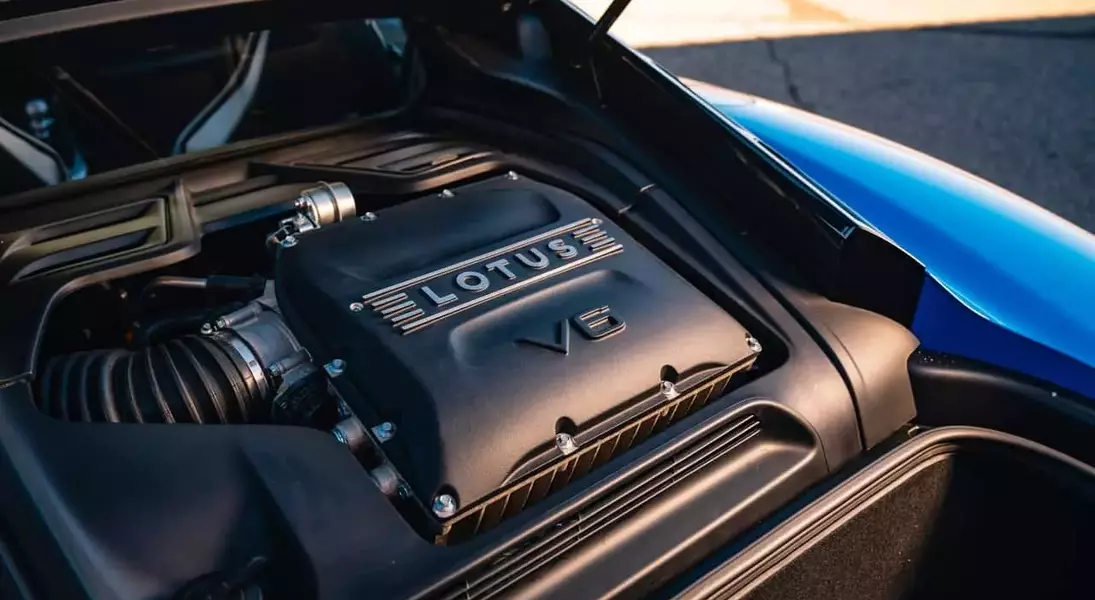
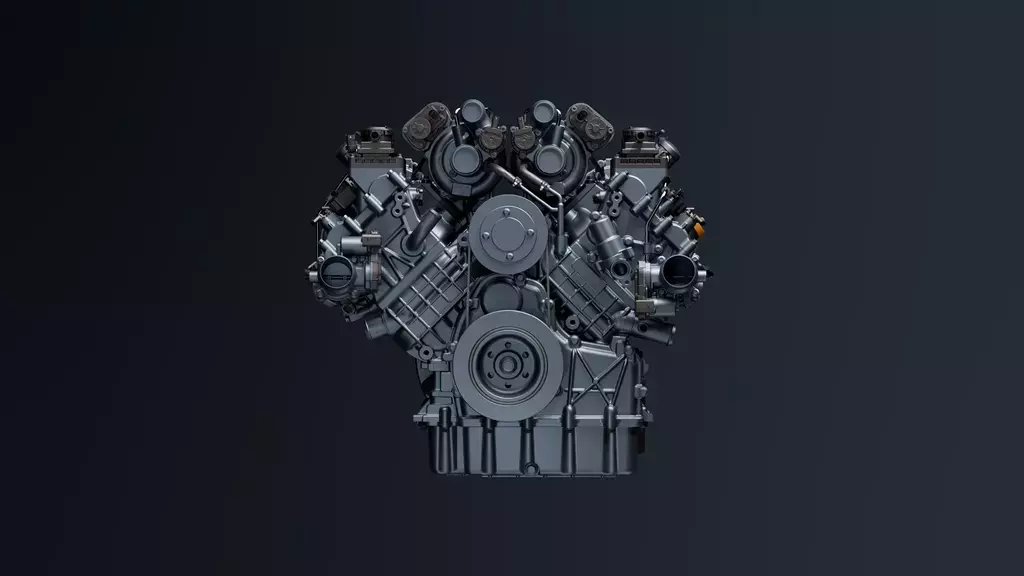
Geely's increasing involvement in Lotus's engine development was first evident with the For Me SUV, which features a 2.0-liter, four-cylinder plug-in hybrid engine. Following this, Lotus CEO Feng Qingfeng announced that the forthcoming updated Emira would integrate an all-new turbocharged V6 engine from Horse Powertrain. This V6, designated W30, was unveiled at the Beijing Auto Show and is notably lightweight at 353 pounds (160 kilograms), making it 22 pounds (10 kilograms) lighter than comparable V6 engines on the market. With a 3.0-liter displacement, the W30 is designed for various hybrid configurations, including mild-hybrid, full-hybrid, and plug-in hybrid systems.
The W30 V6 engine offers significant versatility, capable of serving as a generator for range-extending electric vehicles. It supports both longitudinal and transverse layouts and can deliver up to 536 horsepower and 516 pound-feet (700 Newton-meters) of torque. This V6 is engineered to pair with a four-speed hybrid transmission, the 4LDHT, which includes dual motors and weighs 439 pounds (199 kilograms). This advanced powertrain technology is set to redefine the performance capabilities of future Lotus models.
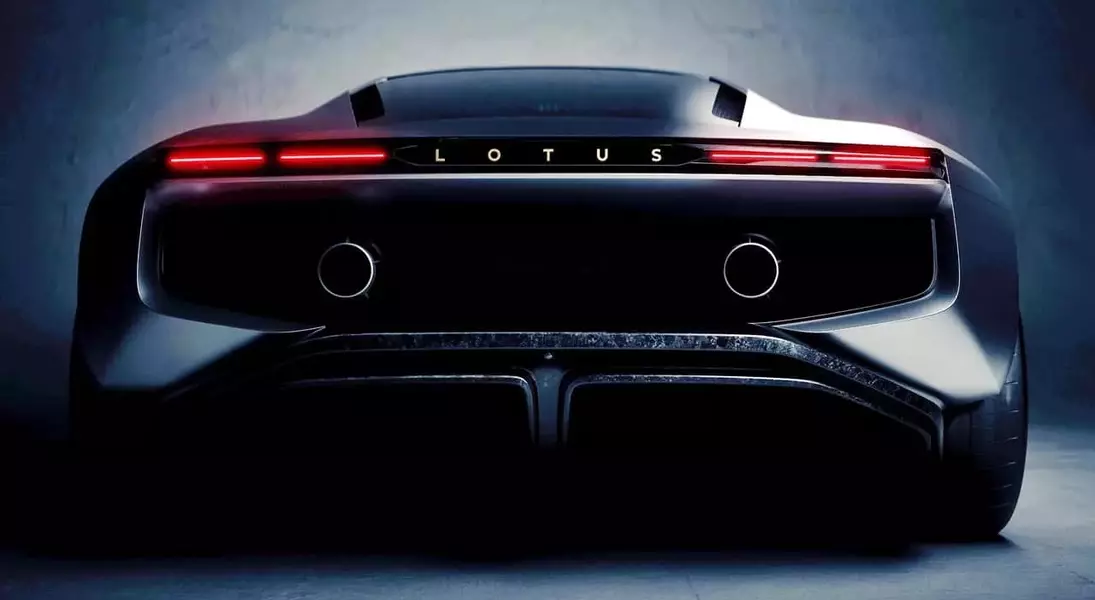
Beyond the V6, Horse Powertrain is also developing a V8 engine based on the W30's architecture. This larger engine is destined for Lotus's first dedicated supercar, anticipated to launch in 2028. This new flagship model is speculated to revive the revered Esprit moniker, a name last used for a V8-powered Lotus in 2004. Early teasers suggest this supercar could draw inspiration from the 2024 Theory 1 concept, despite the concept being purely electric. The production version is expected to boast over 1,000 horsepower, combining the V8 with at least one electric motor.
Despite previous rumors regarding the potential closure of the Hethel plant, Lotus has confirmed that the Emira will continue to be manufactured there. The company plans for the new V8 supercar to be produced in Europe, with strong indications that the UK, specifically the Hethel facility, would be a logical choice. The Hethel plant possesses an annual production capacity of 10,000 units, significantly more than its current output, suggesting ample room for the production of new high-performance vehicles.
Lotus's decision to partner with Horse Powertrain for engine development represents a strategic move towards greater independence and specialized engineering. By developing engines in-house through the Renault-Geely joint venture, Lotus gains more precise control over engine tuning and integration, moving away from reliance on external suppliers like Mercedes-AMG and Toyota. This vertical integration is expected to yield long-term cost savings and allow for the creation of modular engine designs that can be adapted across a wider range of hybrid models. This new approach not only optimizes performance and efficiency but also solidifies Lotus's innovative trajectory in the competitive sports car market.
