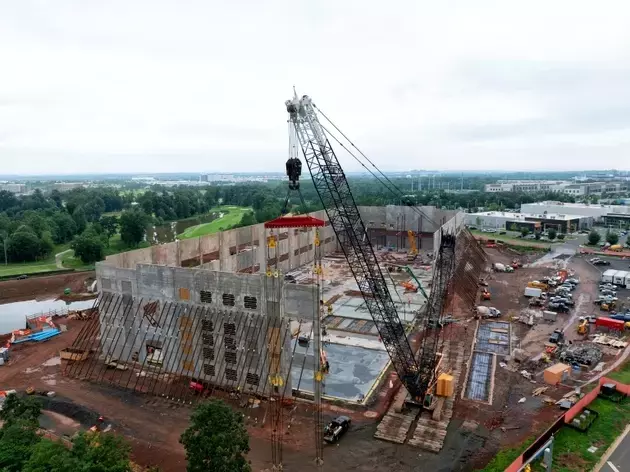
The ambitious build-out of AI data centers, initially seen as a pillar of artificial intelligence advancement, is now encountering considerable challenges. While AI technology itself continues its robust development, the necessity for hundreds of large-scale, power-hungry data centers is being reevaluated. Emerging technologies promise greater efficiency, potentially reducing the demand for such extensive physical infrastructure. This shift, combined with concerns over inadequate returns on investment, mounting pressure on power grids, and a reduction in available capital for major technology firms, is signaling a potential downturn in the AI data center construction boom. Investors, keenly aware of these issues, are increasingly divesting from companies that announce significant capital expenditures in this area.
The AI Data Center Investment Conundrum
The aggressive construction of artificial intelligence data centers, while initially propelling AI innovation, is now facing significant scrutiny. The premise that AI's future would necessitate an ever-increasing number of enormous, energy-intensive facilities is being questioned as technological advancements suggest a path toward more efficient AI operations. This rapidly expanding sector, which has seen substantial capital inflows, is showing signs of overheating, with the sustainability of its current growth trajectory becoming a focal point of concern among industry experts and investors alike. The initial enthusiasm for these colossal digital infrastructures is giving way to a more cautious outlook.
This speculative surge, which has been termed an investment bubble, is characterized by several destabilizing factors. Firstly, the return on investment (ROI) from these massive data center projects is proving to be less compelling than initially projected, leading to financial reevaluations. Secondly, the insatiable demand for electricity from these facilities is placing an unsustainable burden on existing power grids, raising environmental and operational alarms. Lastly, many of the leading technology companies, which are the primary drivers of this expansion, are beginning to face constraints in their cash flow, limiting their capacity for further large-scale investments. Consequently, investor sentiment has shifted dramatically, with a visible trend of selling off hyperscaler stocks when these companies disclose plans for increased AI capital expenditure, reflecting a growing skepticism about the long-term viability and profitability of such ventures.
Shifting Tides: Investor Skepticism and Future Outlook
Investor confidence in the AI data center market has notably wavered, particularly concerning hyperscaler companies that continue to pour capital into expanding their AI infrastructure. This sentiment began to turn negative several months ago, marked by a significant decline in the stock performance of companies heavily invested in AI capital expenditures. The market's reaction underscores a fundamental rethinking of the scalability and economic efficiency of current AI data center models, suggesting that the initial investment spree might have been overly optimistic given the evolving technological landscape and economic realities. The emphasis is shifting from sheer expansion to more strategic and sustainable growth.
The increasing headwinds are multifaceted, ranging from the fundamental issue of insufficient return on investment to critical limitations in power availability. Furthermore, the financial capacity of even the largest tech giants to sustain such high levels of investment is being tested. As a result, investors are now actively penalizing companies that announce further increases in AI capital spending, indicating a strong belief that the sector is either overcapitalized or heading towards an inevitable correction. This re-evaluation highlights a move towards a more discerning investment approach, prioritizing efficiency and profitability over aggressive, unbridled expansion in the AI infrastructure domain.
