










In 1998, the mid-size sedan segment was a fiercely contested arena, featuring a diverse array of vehicles that, while seemingly similar at first glance, offered distinct driving experiences. This retrospective analysis delves into some of the prominent contenders, including the Ford Contour, Oldsmobile Cutlass, Mazda 626, Dodge Stratus, Nissan Altima, Toyota Camry, and Honda Accord. Each model brought its own blend of strengths and weaknesses to the market, influencing consumer choices and shaping the automotive landscape of the late 1990s. From ride quality to interior design and engine performance, these sedans showcased the varied approaches manufacturers took to capture the attention of family car buyers.
This review further explores the unique attributes of each sedan, providing insights into their design philosophies and market positioning. For instance, some prioritized a plush, comfortable ride, while others aimed for a more engaging and responsive driving feel. Interior ergonomics, material quality, and technological features of the time also played crucial roles in differentiating these vehicles. Understanding these nuances helps to paint a comprehensive picture of the automotive trends and consumer expectations that defined the mid-size sedan category over two decades ago.
Dissecting the Contenders: Performance and Practicality
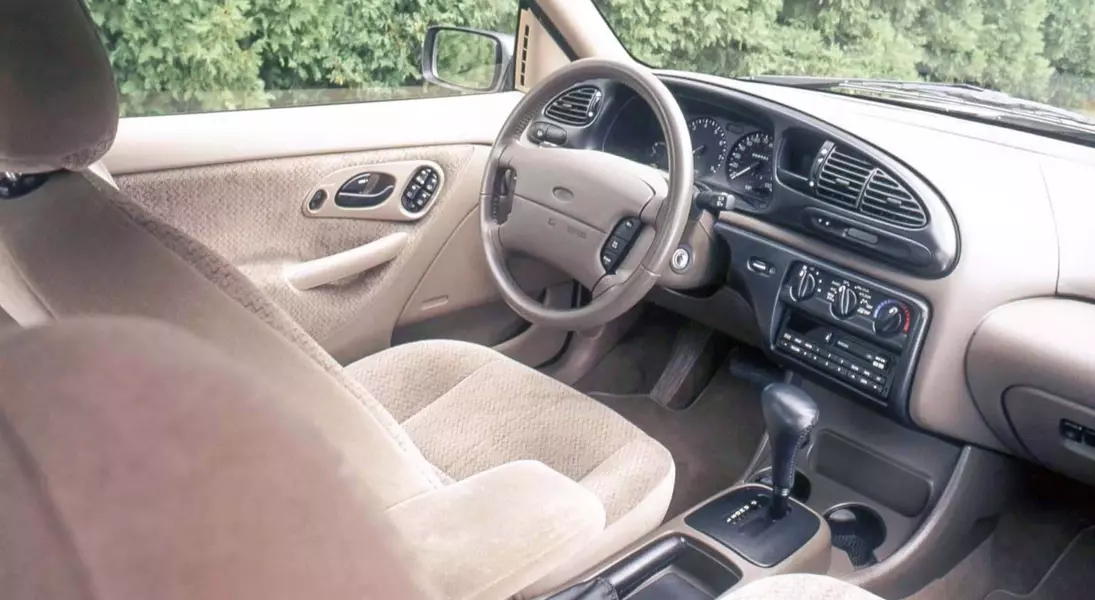
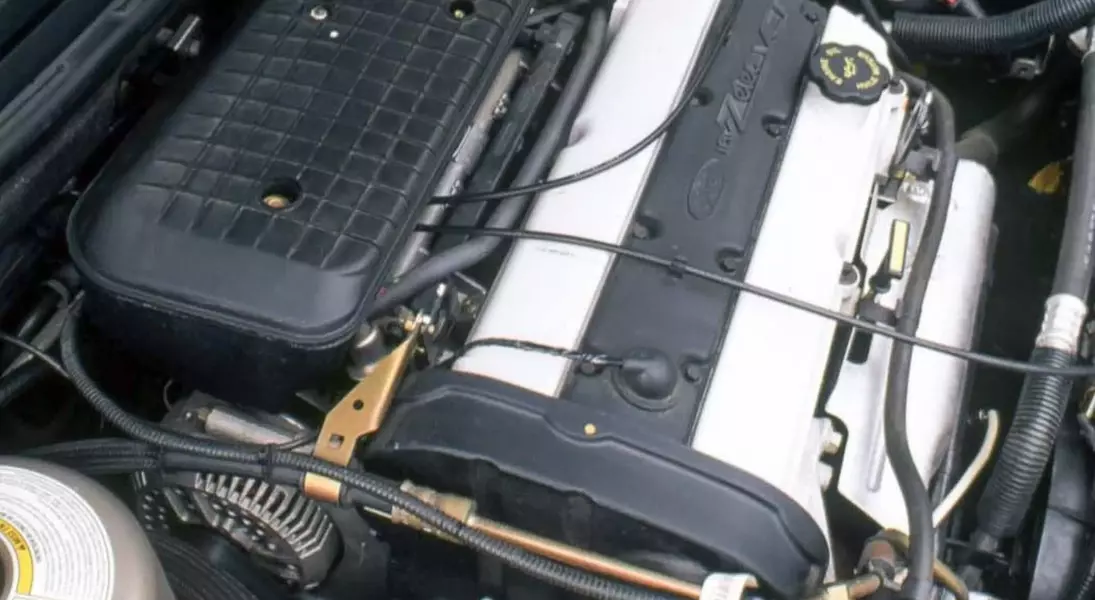
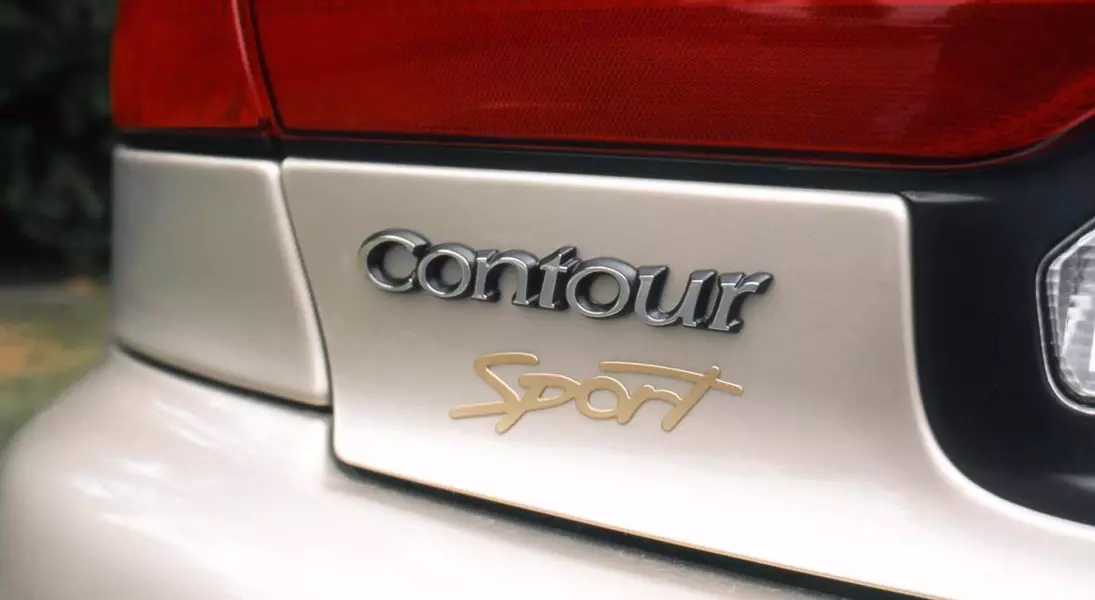
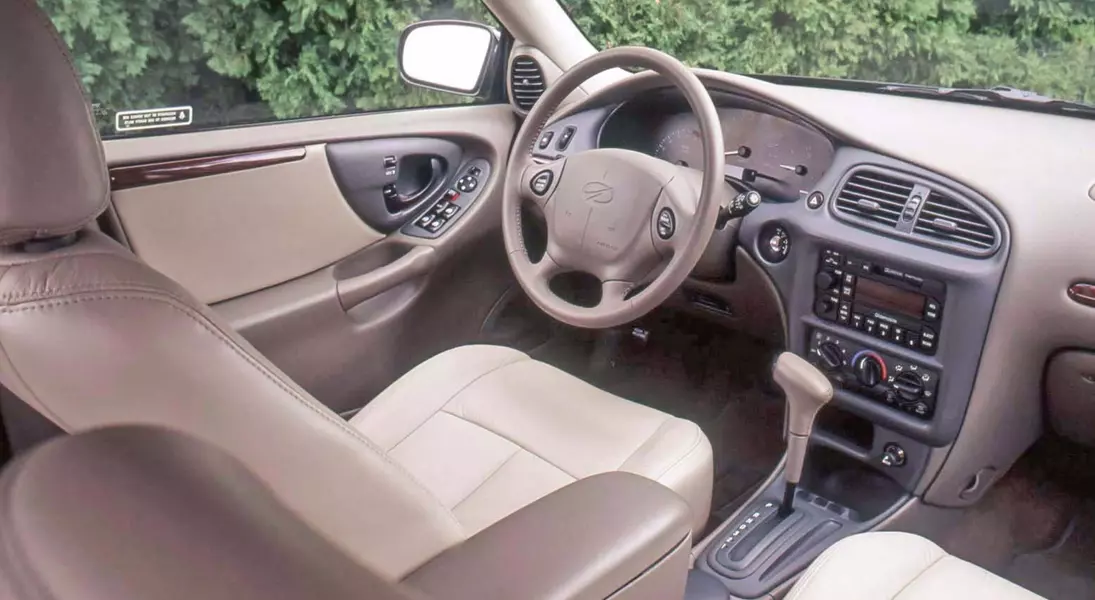
The 1998 mid-size sedan market presented a fascinating mix of vehicles, each attempting to strike a balance between performance, comfort, and affordability. The Ford Contour, for example, despite its attractive price point, was often criticized for a harsh ride and an outdated radio interface with small, difficult-to-operate buttons. Its interior also suffered from limited rear-seat space and uncomfortable front seating, yet it was propelled by a modest 125-hp inline-four engine. In contrast, the Oldsmobile Cutlass GLS stood out with its larger dimensions, offering superior interior space and comfort, though its leather seats were noted for being firm and somewhat slippery. Powering the Cutlass was a more robust 150-hp 3.1-liter V-6, and it retailed at a competitive price for its segment.
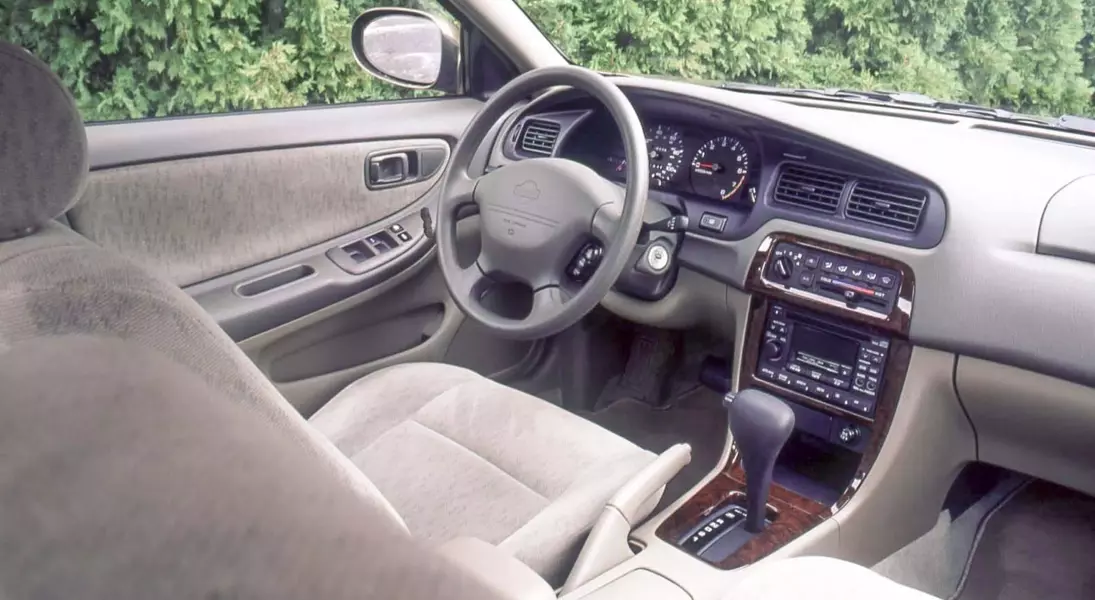
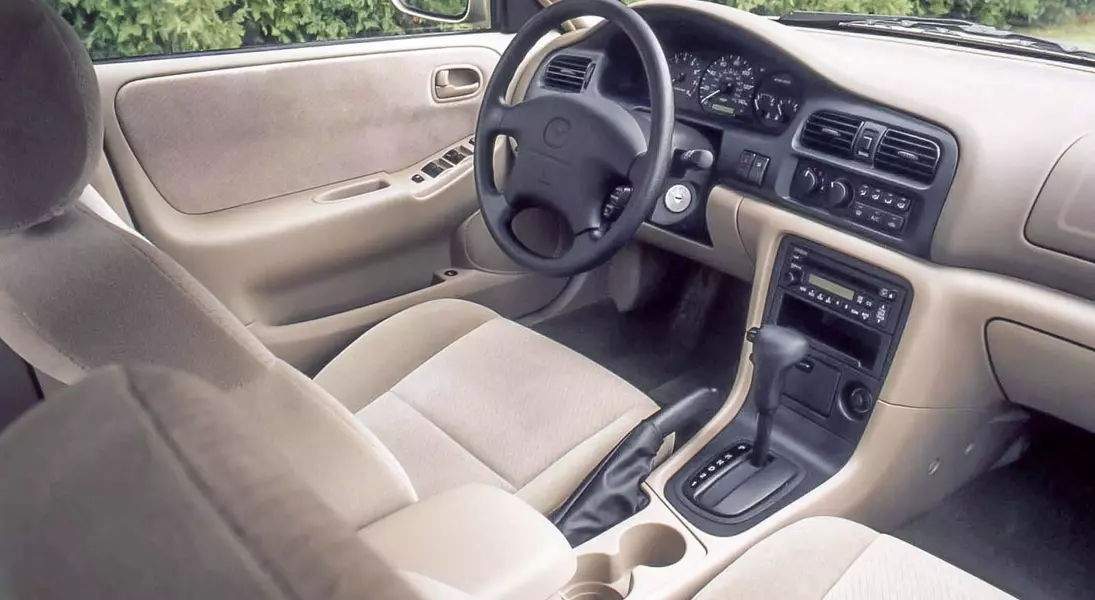
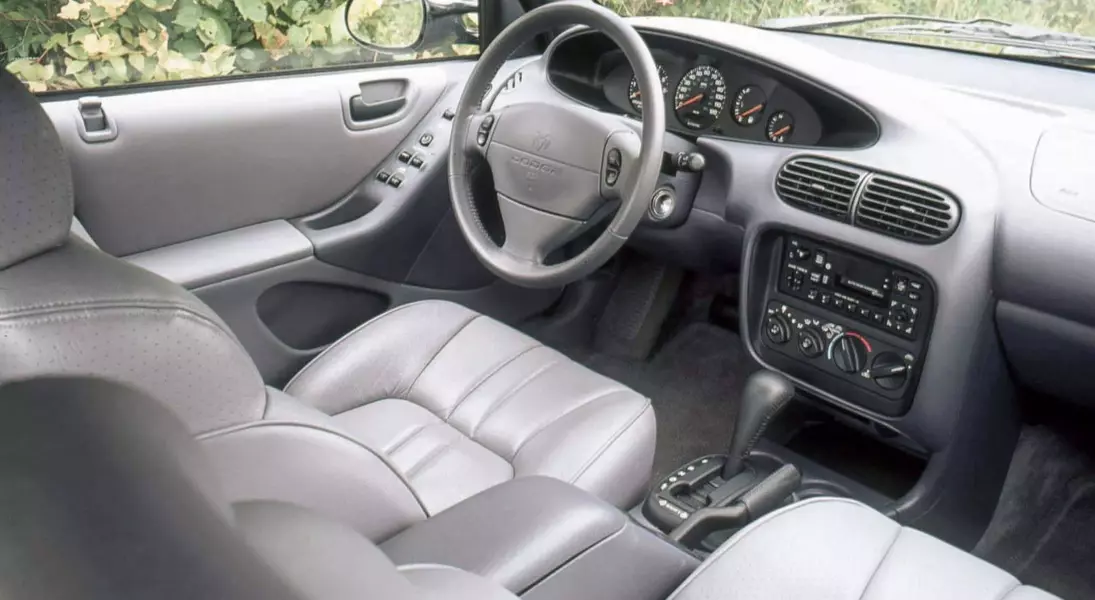
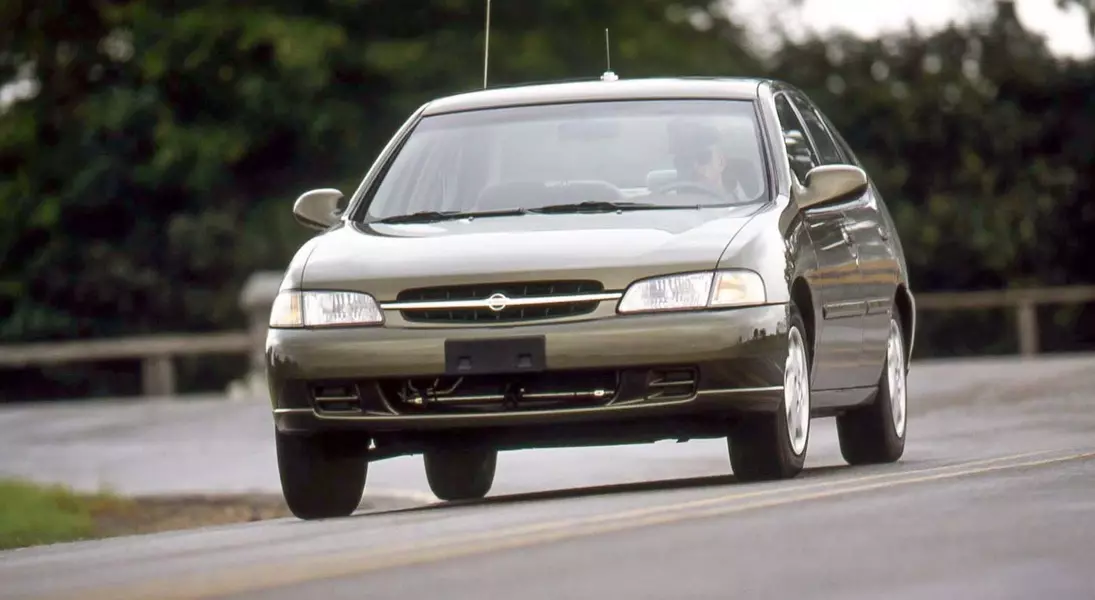
Meanwhile, the Mazda 626LX was characterized by its soft suspension and overall compliant feel, which translated to a comfortable but somewhat unengaging ride. Its driving position was a point of contention, often described as low and lacking adequate support, and it featured a 125-hp 2.0-liter four-cylinder engine. The Dodge Stratus ES, on the other hand, exuded a confident and lively demeanor. Despite a potentially shiny interior finish, its panoramic visibility was a notable positive. Equipped with a 168-hp 2.5-liter V-6 engine, it was paired with a four-speed automatic transmission that included an AutoStick feature for manual gear selection, offering a more dynamic driving experience. Lastly, the Nissan Altima GXE, despite having the most compact wheelbase and overall length among its rivals, compensated with strong performance and a high-quality interior, featuring supportive cloth seats and appealing faux wood trim.
Interior Insights and Driving Dynamics
Examining the interiors of these 1998 mid-size sedans reveals a range of design philosophies, each impacting driver and passenger experience. The Ford Contour, for instance, despite its budget-friendly appeal, presented challenges with its dated radio design and cramped rear seating, suggesting that functionality and passenger comfort were not its strongest suits. This illustrates how even in vehicles from the same segment, significant disparities could exist in user-friendliness and interior ergonomics. The driving experience, marked by a stiff ride, further underscored its utilitarian approach over luxury or refined comfort.
In contrast, vehicles like the Oldsmobile Cutlass GLS and Nissan Altima GXE prioritized interior quality and comfort, even with their own unique characteristics. The Cutlass offered ample room, albeit with somewhat firm leather upholstery, indicating a focus on space and perceived luxury. The Altima, despite its smaller exterior footprint, was praised for its well-appointed cabin, featuring comfortable seating and tasteful design elements like simulated wood trim. This highlights a trend where manufacturers aimed to provide an inviting and pleasant environment for occupants, even within the constraints of a mass-market segment. The Dodge Stratus, with its commanding road presence and innovative transmission, further demonstrated how driving dynamics and visibility were also key differentiators, providing a more engaging and spirited option for consumers seeking a balance between everyday usability and a touch of driving pleasure.
