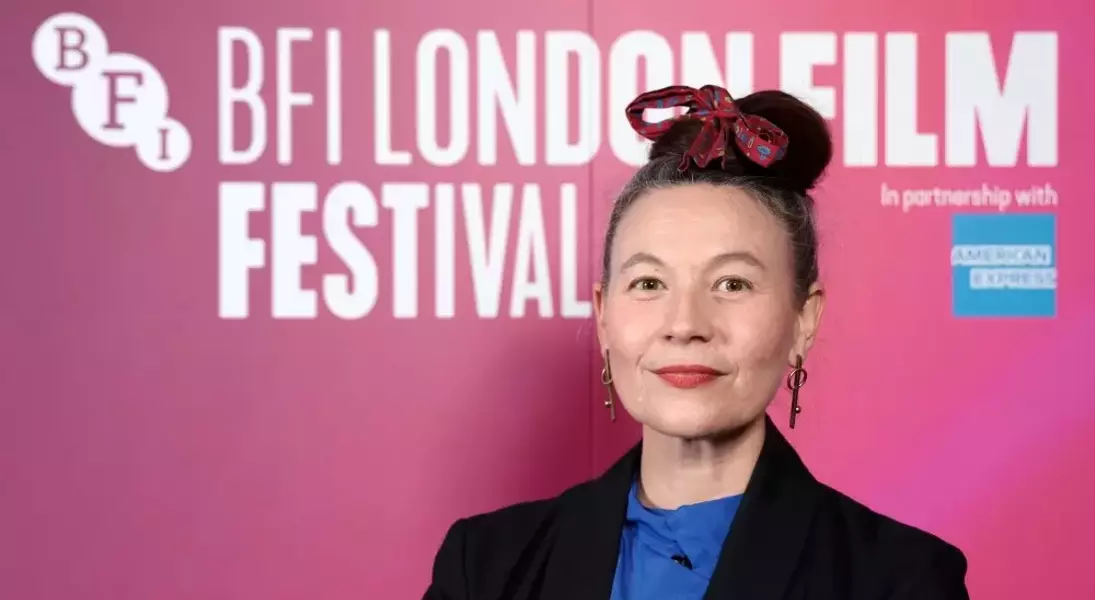
The 69th BFI London Film Festival, the U.K.'s largest cinematic event, is set to begin on October 8th, featuring a diverse array of approximately 250 films. The festival opens with the European premiere of Rian Johnson's 'Wake Up Dead Man: A Knives Out Mystery' and includes acclaimed works such as Jim Jarmusch's 'Father Mother Sister Brother' and Jafar Panahi's 'It Was Just an Accident.' Many of these selections are anticipated to attract significant attention from studios and streamers, aiming to influence AMPAS, BAFTA, and Golden Globe voters as awards season commences. The event will also host eight world premieres, including the British boxing drama 'Giant,' and concludes on October 19th with Julia Jackson's '100 Nights of Hero,' with hopes for an appearance by its star-studded cast, including Charli xcx.
Festival director Kristy Matheson recently elaborated on the curatorial process, the festival's stance on societal issues, and the impact of technological advancements on cinema. She expressed enthusiasm for the program, which was meticulously compiled from numerous submissions over several months, highlighting a challenging but rewarding selection process due to the abundance of high-quality films. Matheson also spoke about a large-scale immersive installation titled 'NowIsWhenWeAre (the stars)' by artist Andrew Schneider, featuring over 4,000 reactive LED lights and a complex soundscape designed to transport visitors into a cosmic experience, which she is particularly eager to witness herself.
Addressing common festival debates, Matheson acknowledged the prevailing emphasis on world premieres but asserted that for the London Film Festival, prioritizing the audience experience is paramount. She noted that as a festival positioned after major summer events, they benefit from a sense of freedom in their programming choices, focusing on presenting a diverse range of films to an eager audience, as evidenced by last year's 230,000 admissions. Regarding potential protests, Matheson stated that as a large public event, they are always prepared for such occurrences, ensuring a safe and comfortable environment for filmmakers and attendees while recognizing the festival as a natural platform for dialogue and the expression of feelings stimulated by art. On the topic of AI in film, specifically concerning AI actresses like Tilly Norwood, Matheson remarked on the rapidly changing landscape, humorously dismissing the use of AI for program writing, and pondering the future possibility of programming films featuring AI actors, drawing parallels to historical shifts brought by new technologies like photography.
In a world continually shaped by evolving technologies and societal dynamics, the BFI London Film Festival stands as a beacon of cultural engagement, demonstrating that the essence of cinema lies not just in cutting-edge productions or exclusive premieres, but in fostering a space for meaningful dialogue, shared experiences, and artistic exploration. The festival's commitment to prioritizing audience connection and embracing contemporary challenges, from social commentary to technological advancements, reflects a forward-thinking approach that enriches the cultural landscape and reinforces the enduring power of film to inspire, provoke, and unite.
