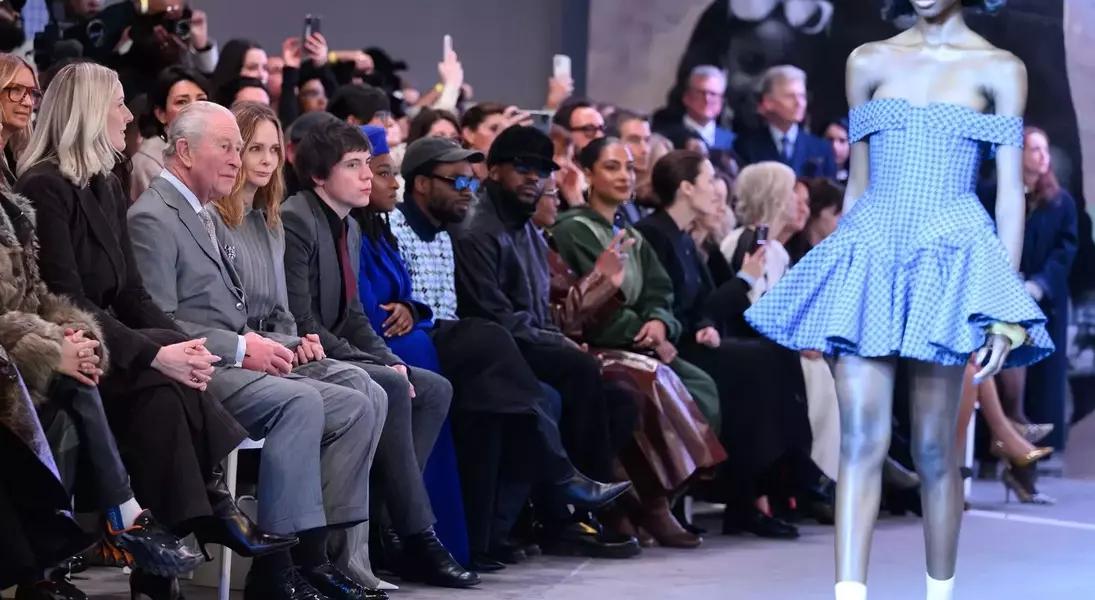
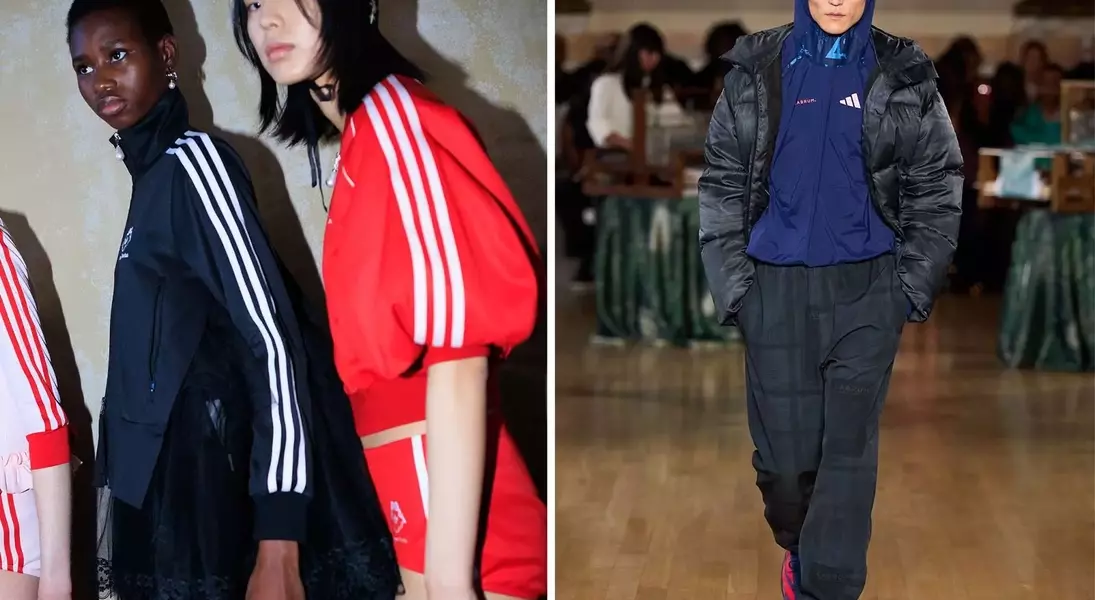
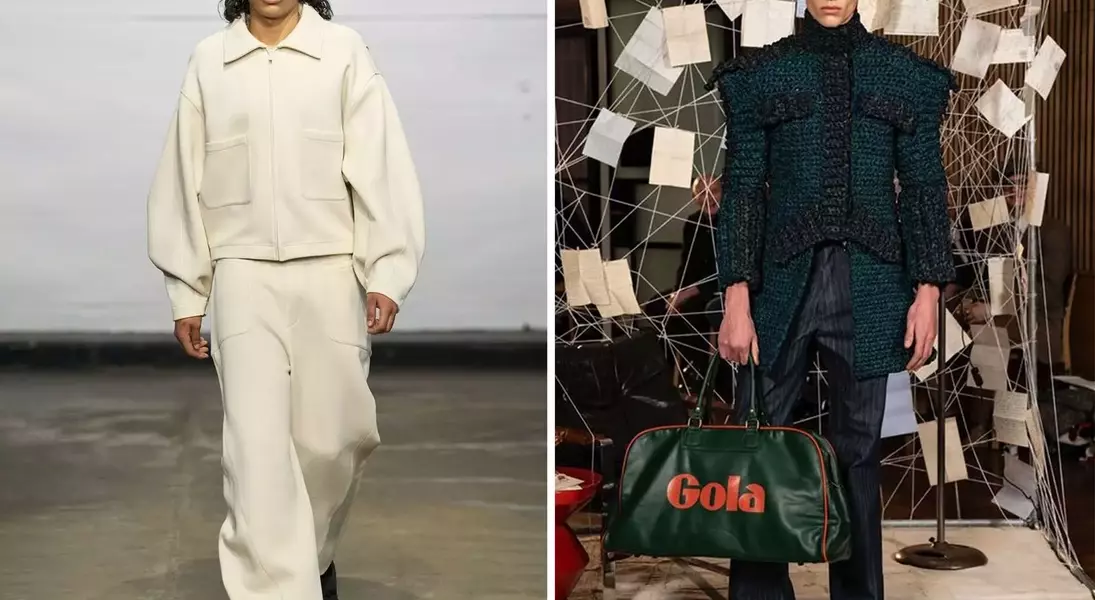
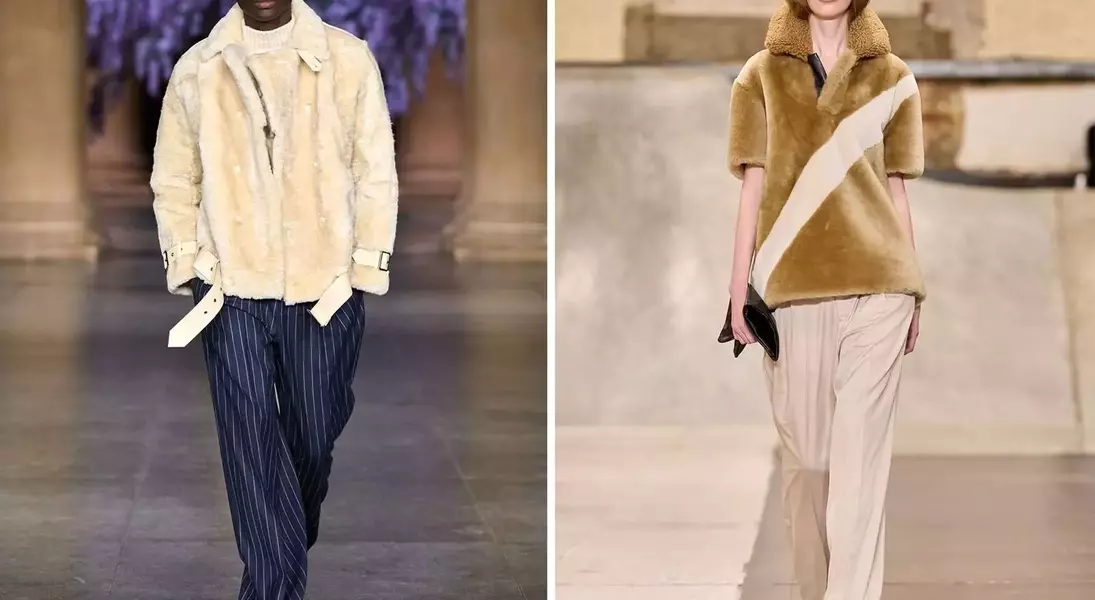
London Fashion Week (LFW) recently concluded a particularly vibrant edition for Fall/Winter, with attendees noting a significant increase in activities and events compared to previous seasons. The British Fashion Council (BFC) reported a substantial 21% rise in brand activations, which encompassed not only traditional shows but also presentations, intimate appointments, and smaller gatherings. This surge in participation was attributed to the elimination of participation fees and the promotion of diverse presentation formats, reflecting a shift towards greater accessibility and flexibility for designers.
The BFC's CEO, Laura Weir, emphasized that their role is not to pressure designers into costly catwalk shows but to foster adaptable platforms that allow creativity to flourish while acknowledging business realities. This pragmatic approach resonated with buyers like Brigitte Chartrand from Net-a-Porter and Simon Longland from Harrods, who highlighted the value of direct engagement with designers. They noted that intimate showroom appointments and well-structured presentations are often more effective for understanding product specifics and building lasting relationships with emerging brands, particularly those that present focused offerings.
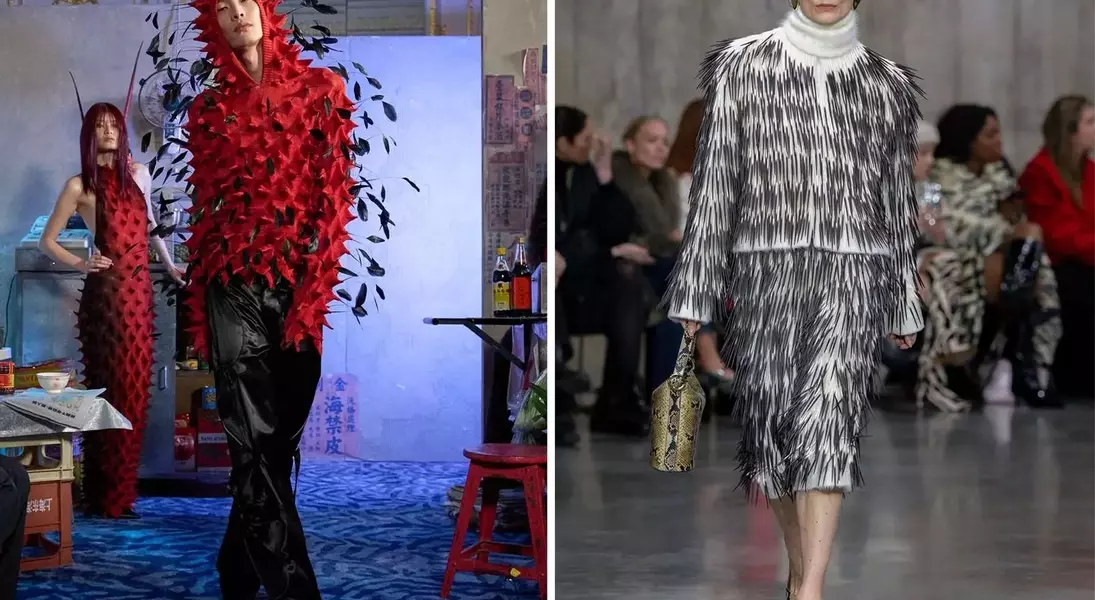
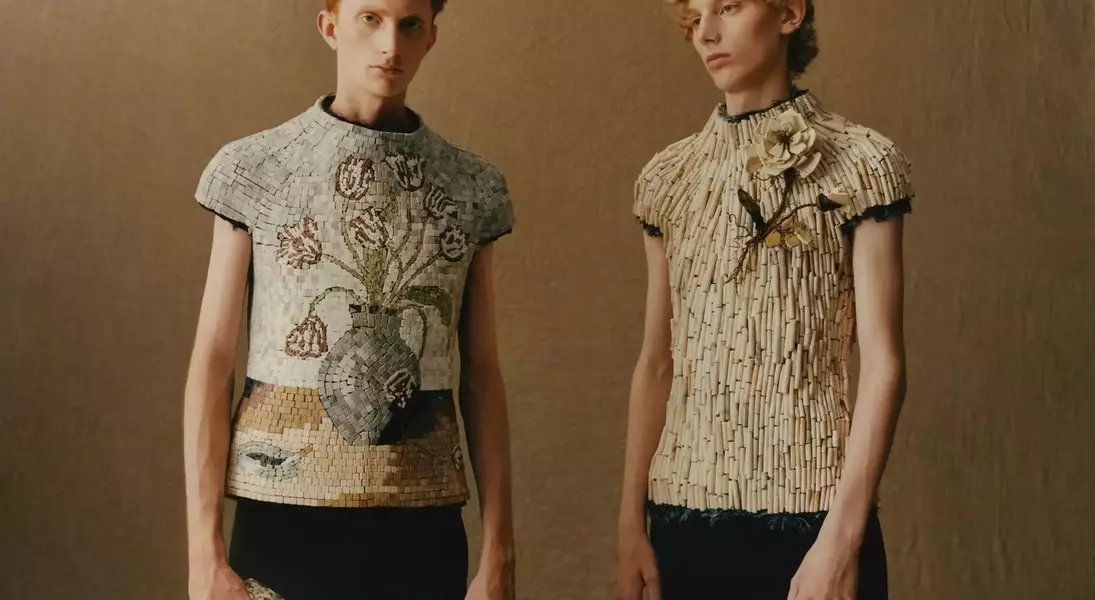
This season also saw a notable influx of new talent, showcasing London's enduring role as a launchpad for innovative designers. Beyond the BFC's NewGen cohort, a diverse array of labels from around the globe presented their collections. Events like the Hong Kong Trade Development Council's off-schedule show, Fashion East's unveiling of Traiceline Pratt's Goyagoma, and Thevxlley's runway debut captivated audiences. These fresh voices, alongside established names like Erdem and Burberry, contributed to a dynamic schedule that blended artistic expression with commercial viability. The intertwining of LFW with the Bafta Film Awards further elevated the week's cultural prominence, creating opportunities for British fashion to shine on both the runway and the red carpet.
Looking ahead, the evolving landscape of London Fashion Week reflects a positive shift towards greater inclusivity, practical support for designers, and a strategic integration of fashion into the broader cultural and economic fabric. The government's increased investment in the UK's creative industries, including significant funding for initiatives like the BFC's NewGen scheme, signals a robust commitment to nurturing future design talent and strengthening the industry's global standing. This collaborative spirit, coupled with a focus on both creativity and commerce, ensures that London continues to be a pivotal center for fashion innovation and influence.
