As London Fashion Week approached, the fashion industry faced uncertainty, with several brands opting out of scheduled shows. Despite this, the event remained a vibrant celebration of style and innovation. Attendees showcased eclectic outfits that paid homage to London’s tradition of challenging norms. The runways featured collections from renowned designers who embraced both familiar elements and bold new directions. From Erdem's signature floral dresses to Simone Rocha's romantic faux furs, the week highlighted creativity in both design and presentation. Off the runway, spectators layered garments in inventive ways, blending textures and patterns for eye-catching ensembles. Overall, the event proved that even in uncertain times, fashion continues to thrive through originality and passion.
The atmosphere leading up to the event was tinged with apprehension, yet this did little to dampen the spirit of those who thrived on fashion's unpredictable nature. Designers and fashion enthusiasts alike found inspiration in unconventional pairings and innovative layering techniques. For instance, one could observe an array of outfits that combined unexpected elements, such as draping a vibrant cable-knit sweater over a winter coat or sandwiching a collegiate-style sweater between two button-up shirts. These combinations not only turned heads but also exemplified the city's reputation for pushing boundaries in style. Moreover, some of the most striking looks were achieved without traditional layering, instead relying on garments with unique textures that created an optical illusion of depth and complexity.
In the midst of this creative chaos, designers like Erdem Moralioglu stayed true to their roots, presenting beautiful floral dresses alongside shimmering creations adorned with tinsel-like fringe. Meanwhile, Simone Rocha explored romantic themes with faux fur accents, including dresses embellished with fur and scarves made from the same material. One particularly memorable moment came when Alexa Chung modeled a faux-fur bra top paired with an oversized biker jacket and a distressed skirt. Edeline Lee took her show to another level by incorporating choreographed performances where models engaged in dramatic duels using weapons like swords and high-heeled shoes, all while wearing silvery fabrics that mimicked armor.
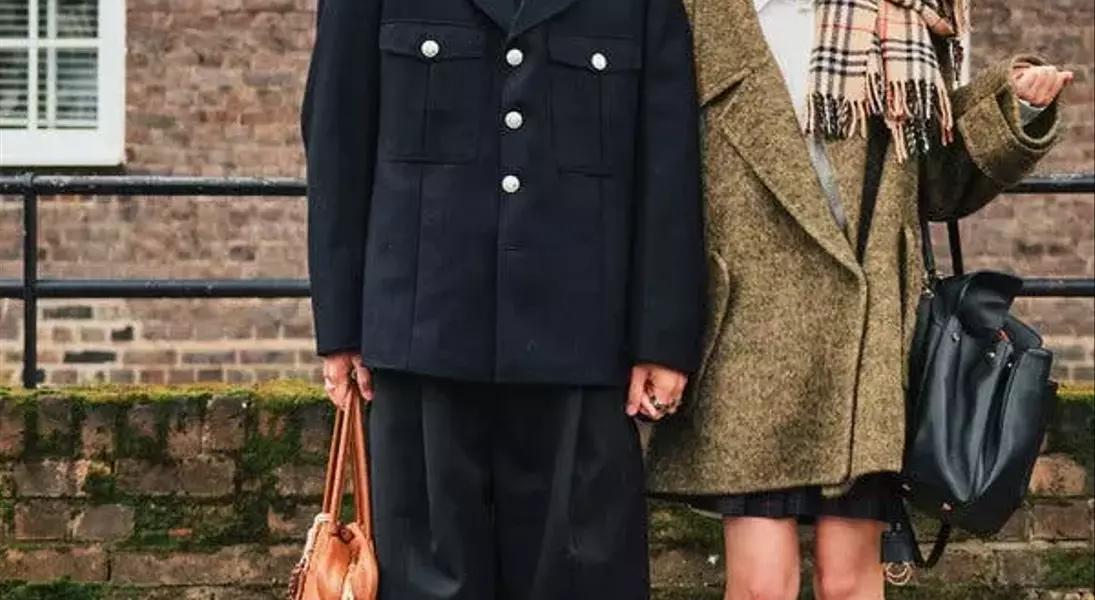
Beyond the runway, street style during the event offered a glimpse into the fusion of classic British influences with modern interpretations. Couples dressed in styles reminiscent of the Beatles era or Burberry's iconic designs walked hand in hand, showcasing a blend of nostalgia and contemporary flair. Accessories played a significant role in completing these looks, from stacked bangles worn with curly hair to lacey collars that added an antique touch to quilted overcoats. Even the smallest details, such as a buttery smooth headscarf or heavy drapes on a dramatic gown, contributed to the overall grandeur of the outfits. On the streets, pops of color brightened layered outfits, whether it was black darkening creamy layers or white adding contrast to gray ensembles. At the Richard Quinn show, fake snow created a winter wonderland effect, enhancing the theatricality of the event.
Despite the challenges surrounding this season, London Fashion Week emerged as a testament to resilience and creativity. The event brought together a diverse range of styles, from the structured elegance of designer collections to the spontaneous flair of street fashion. Each outfit, whether on the runway or off, told its own story, reflecting the individuality and innovation that define London's fashion scene. As the week unfolded, it became clear that fashion is not just about trends; it's about expressing oneself through clothing, no matter the circumstances. In the end, the event reaffirmed London's status as a global hub for fashion, where tradition meets innovation in the most unexpected and exciting ways.
