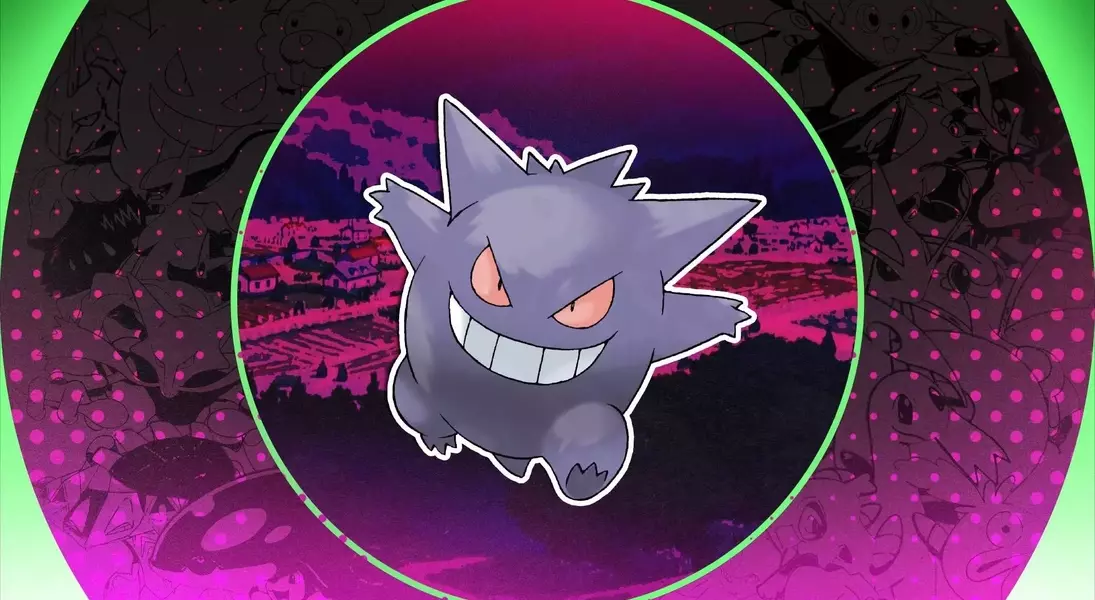

A recent online discussion saw influencer Logan Paul passionately defending the Pokémon character Gengar. However, his detailed strategic analysis of the ghost-type monster quickly raised suspicions among the online community. Many observers, accustomed to Paul's more informal communication style, are now questioning whether the polished, grammatically perfect post was genuinely penned by him or if it was the product of artificial intelligence. This incident reignites a broader debate surrounding Paul's genuine affinity for Pokémon, particularly given previous controversies related to his involvement in the trading card market. The discussion underscores a growing distrust of celebrity endorsements within fan communities, especially when the content appears to lack a personal touch or aligns too closely with commercial interests.
Logan Paul's Gengar Analysis Sparks AI Speculation
In a recent online exchange, Logan Paul, a prominent social media influencer, offered an extensive defense of Gengar, the popular ghost-type Pokémon. His detailed arguments, including battle strategies like combining 'Hypnosis' with 'Dream Eater' to replenish health, aimed to cement Gengar's status as an indispensable monster for any trainer. Paul even asserted that a well-managed Gengar is virtually invincible. This unexpected display of Pokémon expertise followed an internet trend where X user @tiaradraws playfully questioned why Gengar was a favorite among many men, a post that subsequently garnered millions of views and enthusiastic responses from Gengar aficionados.
However, Paul's precise and unusually articulate post quickly became the subject of scrutiny. Fans and critics alike noted the stark contrast between this meticulously structured argument and Paul's typical, often unpunctuated and informal social media presence. The academic tone and perfect grammar led many to speculate that the text might have been generated by AI, such as ChatGPT, rather than written by Paul himself. Some Pokémon enthusiasts pointed out inaccuracies in Paul's strategic claims, particularly regarding Gengar's immunity to Ground-type moves in current game generations, a common misconception that further fueled doubts about his genuine understanding of the game's mechanics. While some AI text detectors surprisingly identified the post as human-written, the discrepancy between Paul's usual online persona and the Gengar defense has reinforced public skepticism about his long-standing claims of Pokémon fandom, especially in light of past controversies surrounding his involvement in the Pokémon trading card market.
This episode serves as a compelling reminder of the intricate relationship between celebrity influence, digital authenticity, and the evolving landscape of online content creation. It prompts a critical examination of how audiences perceive and trust information shared by public figures, particularly when advanced AI tools can mimic human expression with increasing sophistication. The incident encourages us to question not only the source of the content but also the underlying motivations behind its creation, highlighting the ongoing challenge of discerning genuine passion from strategic engagement in the digital age.
