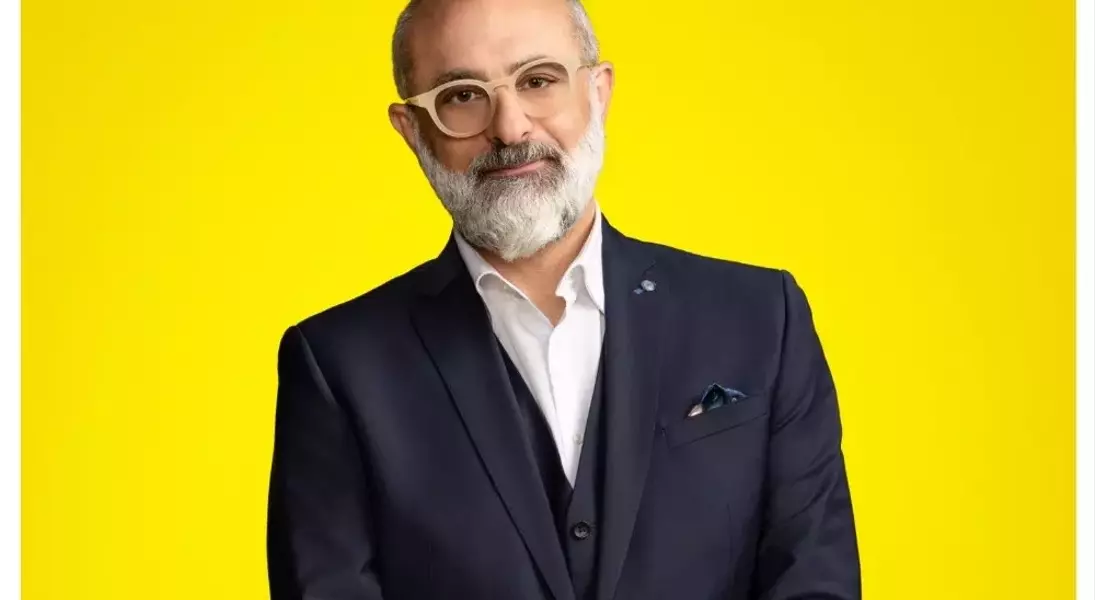
Giona A. Nazzaro, the artistic director of the Locarno Film Festival, has meticulously curated a compelling selection of films for this year's event, attracting prominent figures like Isabella Rossellini, Darren Aronofsky, Olivia Wilde, and Caleb Landry Jones. The festival boasts over 200 titles, nearly half of which are world premieres, featuring works from renowned directors such as Hong Sangsoo, Gurvinder Singh, Denis Côté, Florin Șerban, and Isabelle Stever, alongside promising new talents like Giovanni Tortorici, whose latest film is produced by Luca Guadagnino. Nazzaro's guiding principle for this year's festival is "curated diversity," a concept he explains as a deliberate choice to present a wide array of cinematic expressions, challenging algorithmic recommendations and reintroducing an element of surprise and unpredictability for audiences.
This "curated diversity" is evident in the festival's opening film, Fanny Liatard and Jérémy Trouilh’s “The Green Eyes,” which explores the emotional impact of trauma on a refugee child whose father faces deportation. Nazzaro describes it as a quintessential Locarno film, blending social commentary on the refugee crisis with fantastical elements, aiming to appeal to a broad audience while delivering a powerful message. The competition section further illustrates this theme through various narrative threads, including "community and family" and "the body." For instance, Florin Șerban’s Romanian film “You Don’t Belong Here” delves into questions of belonging and societal exclusion through the story of a teenager, while Isabelle Stever’s Ukrainian film “I Rarely Wake Up Dreaming” examines the clash between personal gender identity and national conflict, reflecting a world grappling with widespread instability and the urgent need to redefine societies, identities, and communities.
Beyond the main competition, Nazzaro highlights several non-competition films he is particularly proud of, including Abdelhamid Bouchnak’s urban horror thriller “Bakma” from Tunisia, Rebekah McKendry’s vampire film “Sundown” featuring Daniel Bernhardt, Vincent Grashaw’s new work, Bertrand Mandico’s “Roma Elastica,” and Edgar Pêra’s political film “Asphalt Guerrilla,” which incorporates AI. A significant achievement for the Piazza Grande section is securing the world premiere of Caleb Landry Jones’s “Down the Arm of God,” a personal project inspired by the experiences of homeless individuals in Texas. This film explores the theme of community, depicting a pastor’s attempt to offer shelter to the homeless, only to face resistance from the local residents. The festival, under Nazzaro's leadership, continues to foster a platform where diverse narratives and artistic visions converge, encouraging dialogue and reflection on contemporary global issues.
The Locarno Film Festival's commitment to showcasing a diverse range of voices and perspectives is a testament to the power of cinema as a tool for understanding and empathy. By actively seeking out and presenting films that challenge conventional narratives and explore complex societal issues, the festival not only entertains but also inspires critical thinking and fosters a more inclusive worldview. This deliberate cultivation of varied storytelling enriches the cultural landscape and encourages audiences to engage with different experiences and ideas, promoting unity and human connection in an increasingly fragmented world.
