As the football world anticipates the upcoming season, discussions frequently revolve around which teams will contend for the Premier League title. While an intense four-way battle often remains a hopeful fantasy, the current outlook for Liverpool suggests a campaign brimming with possibilities, ranging from another triumphant championship run to a surprising fall in the league standings. This season marks a crucial juncture for the club, navigating the transition period following a significant managerial change while integrating new talent into the squad. The trajectory of their performance will hinge on several factors, including the tactical adaptations under new leadership, the seamless incorporation of fresh faces, and the collective resilience in the face of unforeseen challenges.
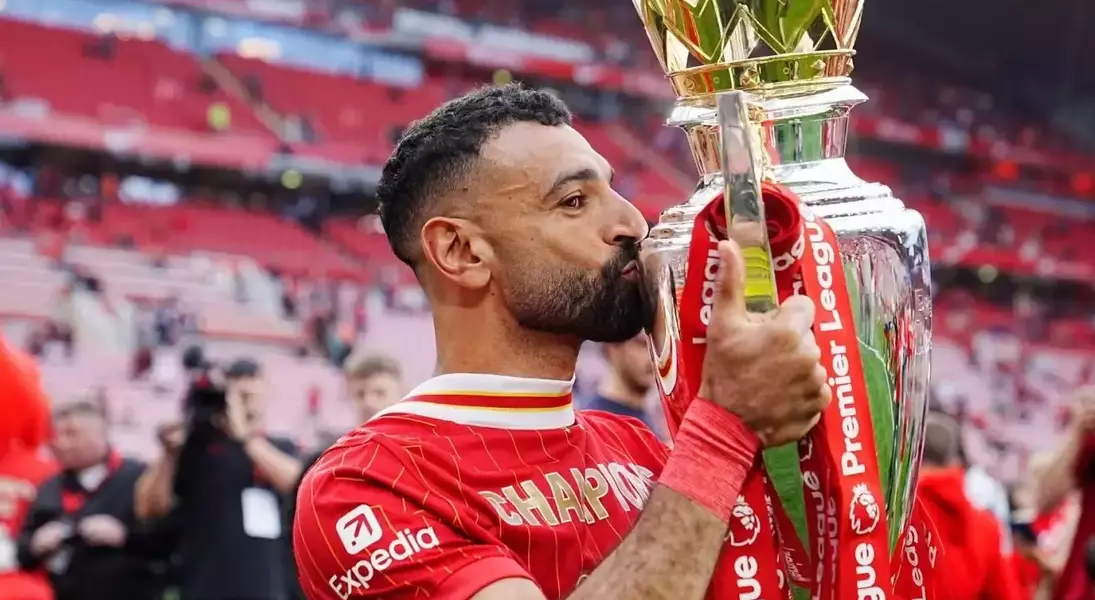
Last season, Liverpool demonstrated their dominance, securing the Premier League title with a substantial lead. This success was attributed, in part, to the thoughtful groundwork laid by their previous esteemed manager, Jurgen Klopp, who ensured his successor inherited a robust and well-structured squad. Klopp's foresight in building a functional team minimized immediate disruption, allowing the new manager, Arne Slot, to smoothly transition into his role. Slot's initial achievements were remarkable, as he managed to fine-tune an already high-performing team without drastic overhauls, focusing instead on subtle enhancements and leveraging existing strengths.
Key players like Alexis Mac Allister and Ryan Gravenberch saw significant improvement under Slot's guidance, contributing to the team's sustained excellence. The decision to maintain Mohamed Salah's pivotal role, allowing him to continue his stellar contributions, proved instrumental in their success. This continuity, combined with the players' clear buy-in to Slot's subtle adjustments, speaks volumes about the manager's astute leadership and emotional intelligence, fostering a cohesive environment despite the recent departure of a revered figure.
However, the upcoming season presents a fresh set of challenges. With a new transfer window bringing in fresh talent, Slot's task now shifts from maintaining continuity to actively shaping the squad in his own image. The integration of these new players will be critical in defining the team's dynamics and overall performance. The club's substantial investment in new footballers underscores their ambition, yet successful assimilation takes time and strategic management. Additionally, the unforeseen departure of Trent Alexander-Arnold, a player with a unique skill set crucial to Liverpool's creative play, leaves a significant void that will test the team's adaptability and offensive strategies.
Moreover, the profound impact of the personal tragedy involving Diogo Jota casts a shadow over the club. While the immediate focus remains on supporting Jota and his family, it is undeniable that such an event will deeply affect every member of the team. This emotional challenge could either serve as a unifying force, inspiring a collective drive to perform for their teammate, or it could introduce an unexpected layer of difficulty for new arrivals trying to connect with a grieving locker room. Navigating this delicate situation with empathy and understanding will be paramount for Slot, highlighting the importance of his leadership beyond the tactical aspects of the game.
Ultimately, Liverpool stands at a fascinating crossroads. The blend of a solid foundation left by a former legend, strategic new signings, and the emotional complexities arising from recent events creates a narrative filled with both immense potential and considerable uncertainty. While another championship seems like a distinct possibility, the true measure of their season will be how effectively Slot can mold this evolving team, overcome challenges, and harness the collective spirit to achieve their lofty aspirations in the highly competitive Premier League landscape.
