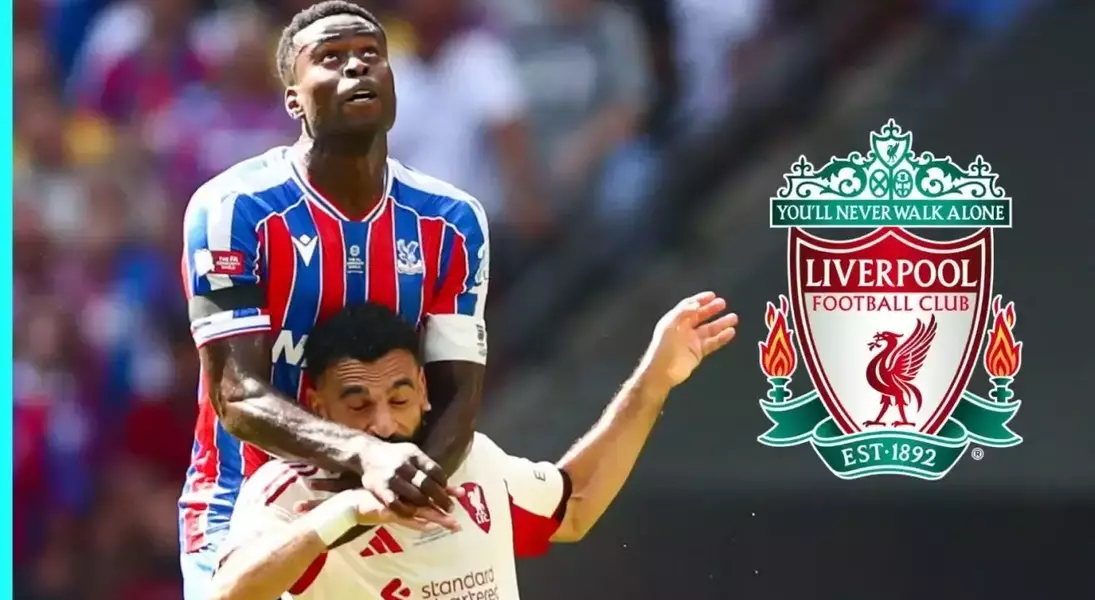
Reports indicate that Liverpool's bid to acquire Marc Guehi from Crystal Palace is likely to encounter a postponement, raising concerns about the potential ramifications of this prolonged transfer narrative. Guehi, a key England international and one of the Premier League's top center-backs, has been a significant target for Liverpool during the current transfer window, particularly as his contract approaches its conclusion in 2026.
Despite Liverpool's substantial summer expenditure, exceeding £290 million with the recent signing of Giovanni Leoni, Crystal Palace has maintained a resolute stance on their £40 million asking price for Guehi. The strategic shift by Arne Slot's team to bolster their defensive line, alongside interest in Alexander Isak, initially suggested a potential double swoop for Leoni and Guehi before the window closes. However, with Jarell Quansah's departure to Bayer Leverkusen and Real Madrid's interest in Ibrahima Konate, Liverpool certainly possesses the financial and squad flexibility to accommodate new defensive talent.
Nevertheless, new insights suggest that Liverpool may have adjusted their strategy, potentially deferring Guehi's transfer by an additional year. This revised approach is attributed to two primary factors: Crystal Palace's unwavering demand for their £40 million valuation, and Liverpool's recent acquisition of Giovanni Leoni. This delay could prove precarious for Crystal Palace, as Guehi reportedly shows no urgency to extend his current contract, potentially enabling Liverpool to pursue him on a free transfer next summer. This scenario underscores the delicate balance of player valuation, contract negotiations, and strategic patience in the high-stakes world of football transfers.
This evolving situation highlights the intricate dynamics of the transfer market, where financial valuations, player contract statuses, and club strategies intertwine. It emphasizes that persistence and thoughtful planning are often key to achieving long-term objectives, even if immediate gratification is deferred. Such calculated decisions, while appearing cautious, often lead to more advantageous outcomes for all parties involved, fostering resilience and foresight in sports management.
