
Liverpool Football Club has made a resounding statement in the current transfer window, committing significant capital to bolster their squad. This substantial investment is a direct reflection of the club's robust financial health and a strategic pivot towards aggressive market activity. Despite past fiscal prudence, the current spending surge is a calculated move, leveraging unprecedented revenue growth and carefully managed expenditures to acquire top-tier talent. The club's financial model, characterized by impressive commercial expansion and a healthy revenue-to-wage ratio, enables such bold decisions without jeopardizing long-term stability or violating financial regulations. This shift signifies Liverpool's intent to solidify its elite standing and capitalize on recent on-field triumphs.
Summer Spending Extravaganza: How Liverpool's Financial Might Facilitates Blockbuster Deals
In the vibrant summer of 2025, Liverpool has significantly reshaped its squad with several high-profile acquisitions. The club's transfer activity, following a relatively quiet previous year, has captured global attention. At the heart of this spending spree are two monumental signings: Florian Wirtz, who arrived in a club-record deal, and Hugo Ekitike, secured from Eintracht Frankfurt for a substantial fee. These marquee additions, alongside talents like Jeremie Frimpong, Milos Kerkez, and goalkeeper Giorgi Mamardashvili, represent an aggregate investment nearing £300 million in transfer fees alone, with further costs associated with agent fees and levies. Wirtz and Ekitike, now among Liverpool’s most expensive signings, have committed their futures to Anfield on lucrative multi-year contracts, signaling the club’s ambitious vision.
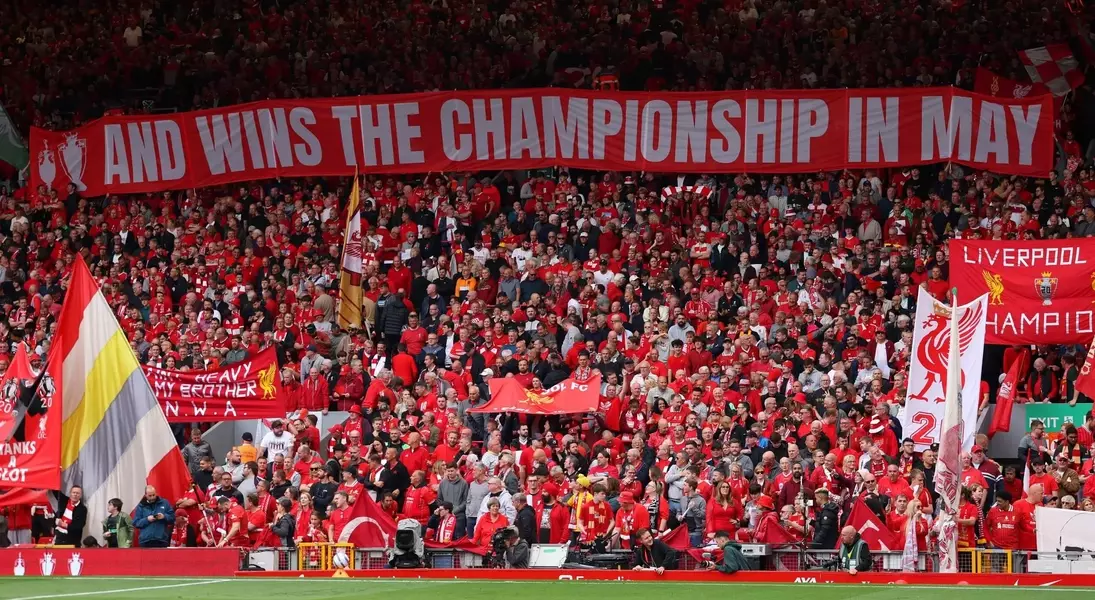
This ambitious outlay is underpinned by Liverpool's surging financial performance. The club experienced a record-breaking 2023-24 season, surpassing £600 million in revenue, even without Champions League football. With a triumphant return to the Champions League and a historic 20th domestic title clinched in the subsequent season, coupled with the expanded Anfield Road End stadium and continuous commercial growth, Liverpool is projected to exceed £700 million in turnover, a financial milestone previously achieved by only a select few English clubs. The Premier League's new, more lucrative TV rights cycle, commencing this season with a 17% increase in value, further bolsters the club's income streams. Commercial growth is also set to accelerate with a new, incentive-based kit deal with Adidas starting in August, poised to significantly outpace their previous agreement with Nike.
Despite a reported pre-tax loss of £57.1 million in 2023-24, an anomaly in their history, Liverpool’s overall financial trajectory under Fenway Sports Group (FSG) has been one of consistent profitability. Projections indicate a healthy return to profit in 2024-25, even with an anticipated increase in the wage bill, partly due to league-winning bonuses. The combined annual wage costs for Wirtz and Ekitike are estimated to add approximately £25 million to the club's salary commitments, bringing their overall wage bill closer to £400 million. However, with a healthy wages-to-revenue ratio consistently maintained between 62% and 65%, these costs remain well within manageable limits. Furthermore, potential high-profile departures, such as that of Trent Alexander-Arnold, could provide significant financial relief. The club's amortisation costs, historically lower than many rivals, will see a substantial increase with these new signings but are still projected to remain competitive, narrowing the gap with other top-tier clubs without surpassing them.
Crucially, Liverpool faces no immediate concerns regarding Profit and Sustainability Rules (PSR). The substantial revenues and anticipated profitability ensure compliance, even with the increased expenditure. While major player sales are not strictly necessary to meet PSR, they are a strategic consideration to balance the books and manage future costs. The club's access to funds is robust, supported by a recently refinanced revolving credit facility, which provides ample liquidity. This strategic spending aligns with the completion of major infrastructure projects, such as the Anfield Road End expansion, allowing capital to be redirected towards strengthening the playing squad. Compared to many peers, Liverpool also benefits from owing significantly less in outstanding transfer fee installments, further reinforcing their strong cash position. This summer’s extraordinary spending, while substantial, is a testament to FSG’s long-standing commitment to sustainable financial management, allowing for strategic, impactful investments when the timing is opportune.
The Strategic Imperative: Balancing Ambition with Financial Prudence
Liverpool's recent aggressive spending spree offers a compelling case study in modern football finance, where ambition is carefully calibrated with sound economic principles. From a critical perspective, this surge in investment isn't merely impulsive; it's a calculated culmination of years of diligent financial stewardship. The club's owners, FSG, often characterized by their cautious approach, have cultivated an environment where significant capital can be deployed without risking long-term stability. This demonstrates that sustained success on the pitch and robust financial health are not mutually exclusive but, rather, intricately linked. For other clubs, Liverpool's model provides a blueprint: consistent revenue growth, disciplined cost management, and strategic infrastructure investment can create a powerful financial foundation, enabling them to seize market opportunities and compete at the highest level. This proactive approach, rather than reactive spending, sets a precedent for how elite football clubs can evolve and thrive in an increasingly competitive global landscape.
