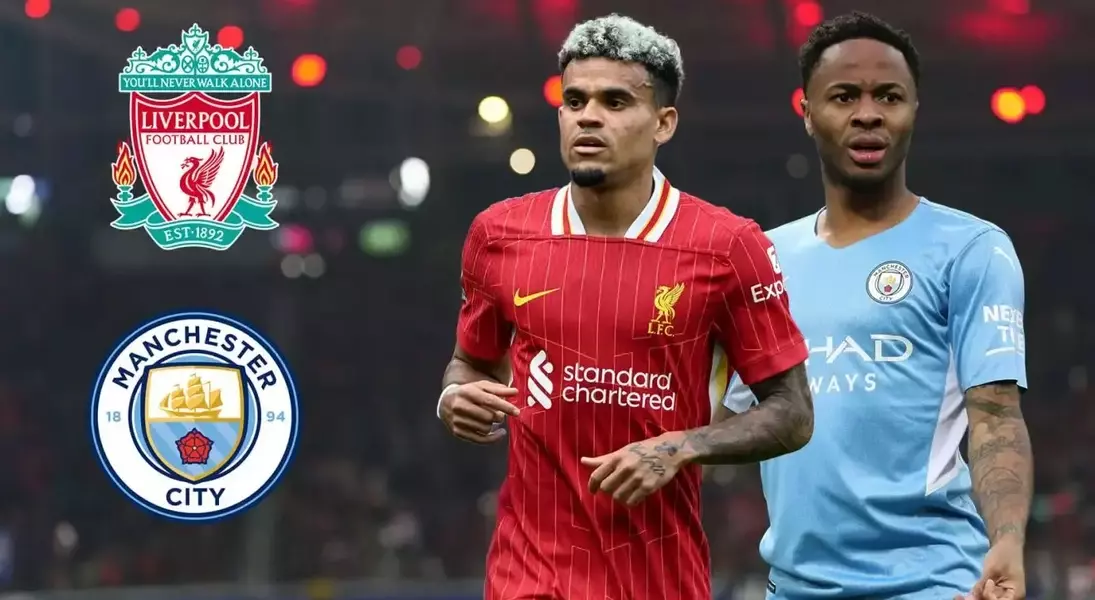
Liverpool Football Club seems to be embracing a sophisticated transfer strategy, drawing parallels with Manchester City's well-established methods for player management and squad evolution. This involves a calculated willingness to divest from players, even those who are regular starters, if it promises substantial financial gain or aligns with the player's desire for a new challenge. This pragmatic outlook allows the club to maintain a healthy financial standing while continuously seeking opportunities to enhance the team's overall quality and depth.
This emerging philosophy at Anfield echoes the successful blueprint implemented by Pep Guardiola and Manchester City, where a player's departure, regardless of their on-field contribution, is considered a viable option if the asking price is met. This was famously exemplified by Raheem Sterling's move from City in 2022, a decision Guardiola defended by stating that the club would not prevent a player from leaving if they wished to, recognizing their past contributions.
The discussion now centers on Luis Diaz's future at Liverpool, with reports suggesting a potential exit to Bayern Munich. Despite his significant impact and role in Liverpool's recent successes, including a league title, the club is reportedly open to a sale if an offer in the region of £65-72 million materializes. This move would be seen as highly astute, especially for a 28-year-old who might have already peaked in value, enabling Liverpool to reallocate funds for fresh talent. The acquisition of players like Florian Wirtz and Hugo Ekitike, alongside improvements at various defensive positions, signals Liverpool's ambition to refine their squad even further.
Liverpool's recent transfer activities indicate a clear direction: optimizing player assets and reinvesting wisely. From offloading fringe players like Caoimhin Kelleher to considering high-profile departures such as Diaz, the club is demonstrating a readiness to make tough but financially sound decisions. This strategic foresight allows Liverpool to remain competitive, attract top-tier talent, and continue building a team capable of achieving consistent success.
Embracing a flexible and commercially savvy transfer policy, akin to Manchester City's, positions Liverpool advantageously in the dynamic football market. The potential sale of Luis Diaz, far from being a setback, could well be another strategic triumph for Liverpool, underlining their commitment to a long-term vision of sustained excellence and potentially paving the way for further triumphs on the pitch.
