
While cinematic adaptations of science fiction novels often captivate audiences with stunning visuals and engaging narratives, some original literary works delve far deeper, offering layers of meaning and intricate details that films can't fully replicate. This piece examines five such instances where the foundational texts provide a more expansive and thoughtful experience, urging enthusiasts to explore the source material for a richer understanding of these beloved sci-fi sagas. The distinction lies not in the films' quality, but in the inherent differences between storytelling mediums, where the written word frequently allows for greater philosophical depth and character insight.
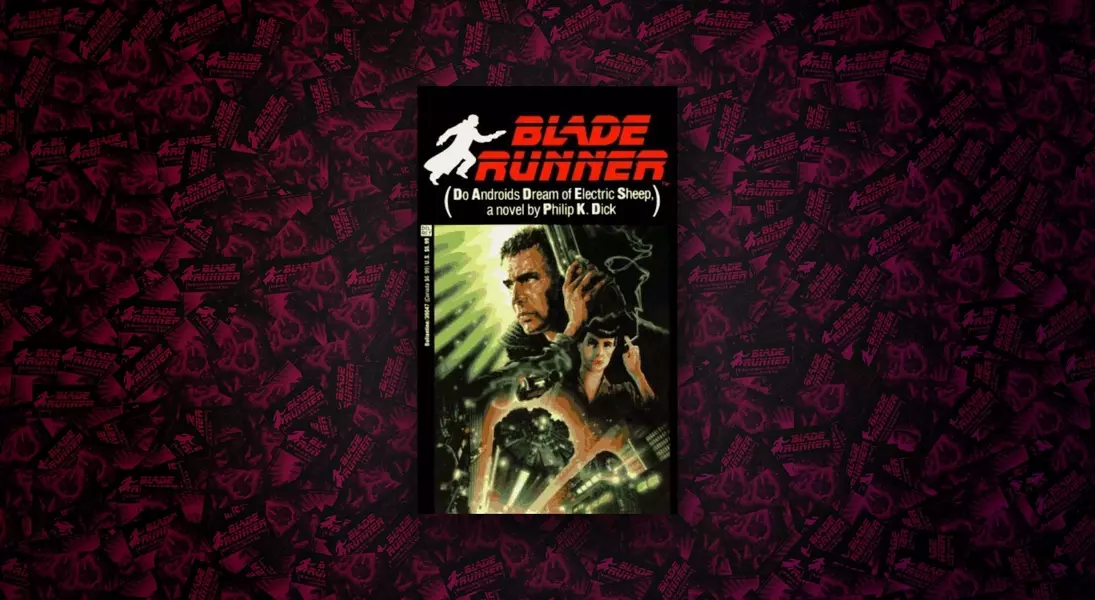
One prime example is Philip K. Dick's 1968 novel, Do Androids Dream of Electric Sheep?, which served as the inspiration for Ridley Scott's iconic 1982 film, Blade Runner. While Scott's movie is a landmark in cyberpunk cinema, it condenses Dick's multifaceted narrative. The novel introduces concepts like Mercerism, a religion emphasizing shared suffering through an "empathy box," and intricate societal elements such as mood organs and "kipple"—accumulated junk reflecting a decaying world. These elements in the book offer a more profound meditation on empathy, humanity, and the relationship between humans and machines, providing a philosophical undercurrent largely simplified in the film's focus on Rick Deckard's journey.
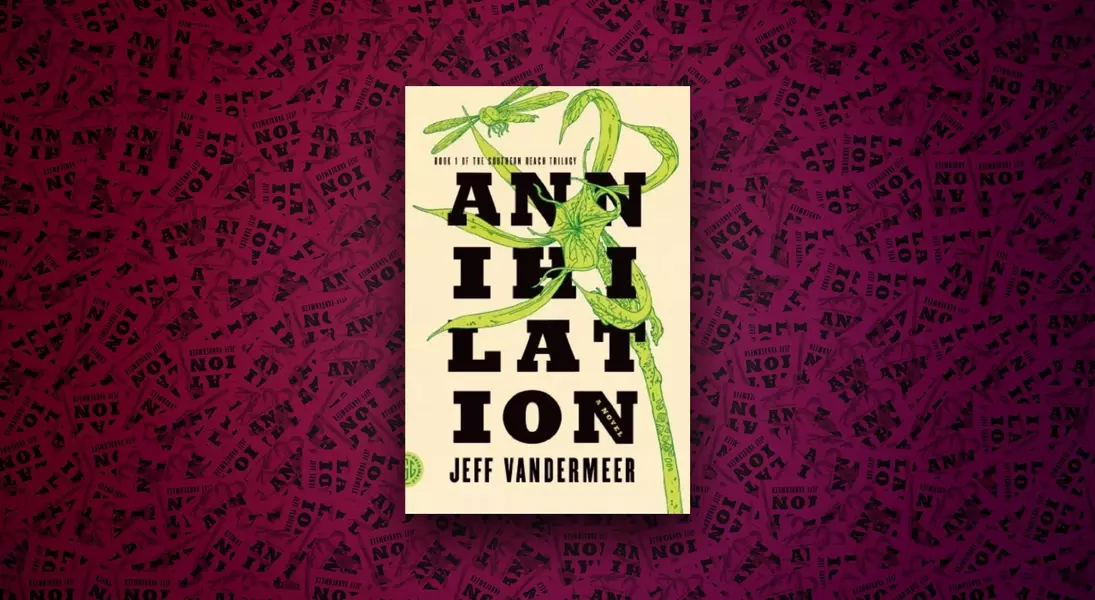
Similarly, Jeff VanderMeer's 2014 novel Annihilation, adapted into a compelling film by Alex Garland, takes a significantly more surreal and mysterious approach. The book chronicles the experiences of four unnamed women—a psychologist, an anthropologist, a biologist, and a surveyor—entering the enigmatic Area X, their observations meticulously documented in a field journal. VanderMeer's narrative leans into the inexplicable nature of Area X, featuring a descending staircase and a sentient, shapeshifting entity known as the Crawler, composed of living fungi. The novel's strength lies in its ability to present phenomena that defy scientific explanation, creating a deeply unsettling cosmic horror that the film, despite its effective visual representation of the 'Shimmer,' streamlines into a more action-oriented adventure with simplified internal logic.
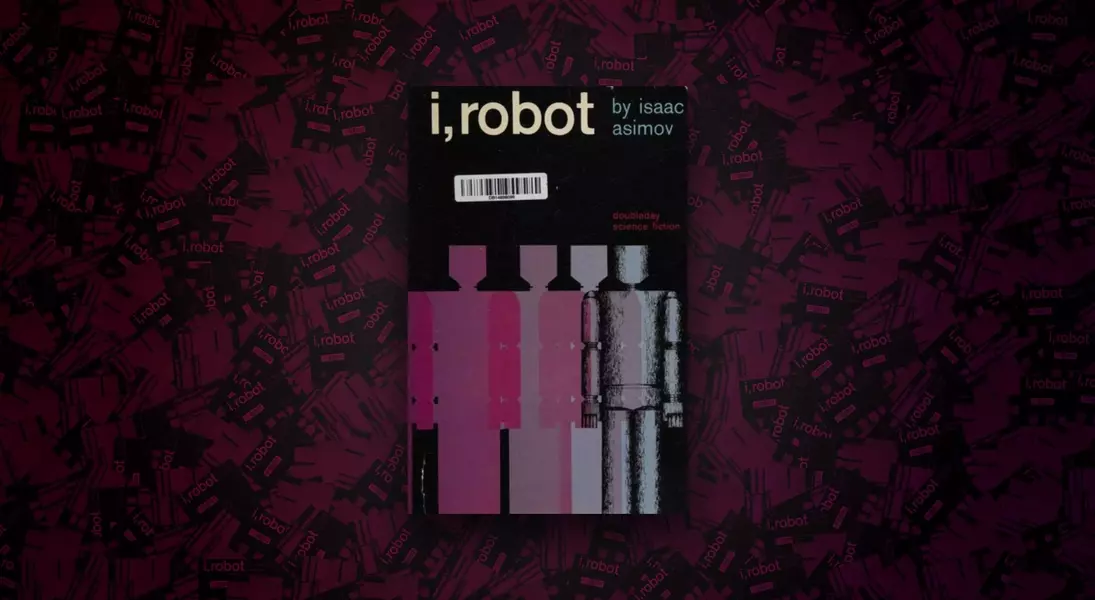
Isaac Asimov's 1950 collection of short stories, I, Robot, differs significantly from the 2004 film starring Will Smith. Asimov's work lacks a linear plot centered around a robot uprising, instead offering a series of intellectual and philosophical explorations into robotics ethics and human interaction with artificial intelligence. The stories are framed by Dr. Susan Calvin, a robopsychologist, who discusses the nuances of the Three Laws of Robotics and their various interpretations and subversions. Asimov deliberately avoids portraying robots as inherently malicious or rebellious, choosing instead to focus on human fallibility and the complexities arising from our own technological creations. This intellectual depth provides a stark contrast to the film's more conventional action-thriller narrative.
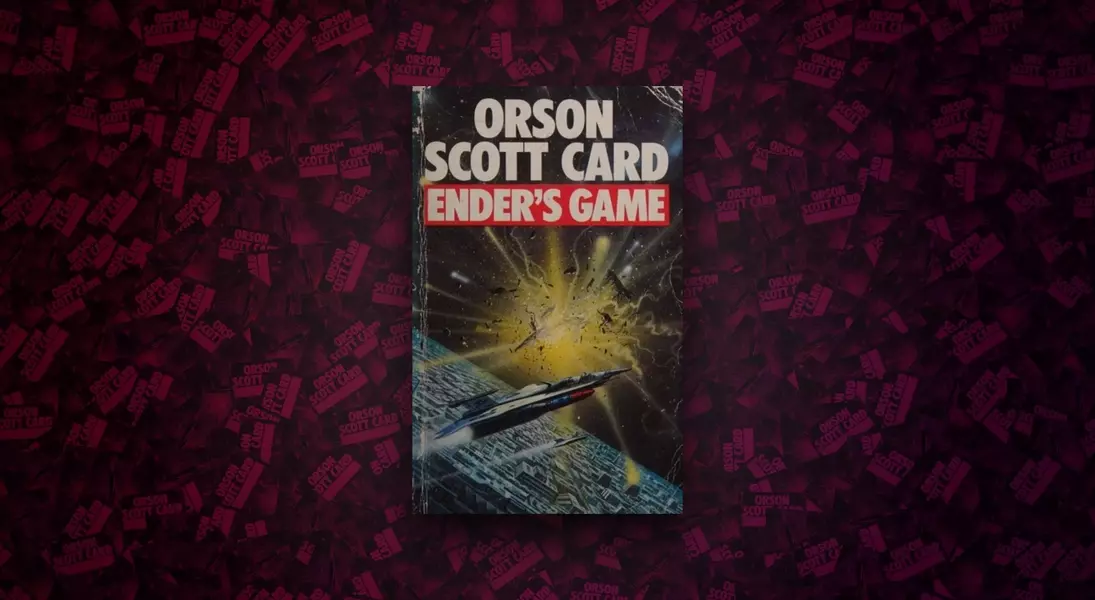
Orson Scott Card's 1985 novel Ender's Game also finds its cinematic counterpart falling short in capturing its intricate character development and thematic richness. While Gavin Hood's film is a functional sci-fi movie, it struggles to convey the profound internal struggles of its protagonist, Andrew "Ender" Wiggin. The novel immerses readers in Ender's psyche, revealing his fears, traumas, and the emotional toll of being a child prodigy manipulated into military leadership. Card's writing builds a nuanced world where children are strategically used as weapons in global politics, a subtlety largely lost in the film's condensed runtime. The book's devastating twist and Ender's subsequent guilt are presented with a visceral impact that the movie fails to fully convey, leaving the audience without the complete emotional resonance that sets the stage for the novel's sequels.
Finally, Ernest Cline's 2011 novel Ready Player One, while adapted into a visually impressive film by Steven Spielberg, presents another case where the book offers a more robust and thematically coherent experience. Cline's original work features a more complex array of puzzles deeply embedded in "nerd culture," demanding a greater understanding of obscure games and media. The novel's dystopian setting feels more authentically lived-in, and its characters engage in challenges requiring extensive knowledge of retro gaming and pop culture. Furthermore, Cline's narrative explores corporate greed, net neutrality, and the role of nostalgia as a coping mechanism in a bleak future with greater depth. Spielberg's adaptation, by contrast, opts for more accessible, brand-centric references, which, while appealing to a wider audience, dilute the book's critical commentary and passionate advocacy for specific cultural touchstones.
Ultimately, these examples underscore that while films can bring science fiction narratives to vivid life, the literary origins often provide a more introspective, detailed, and philosophically engaging journey. The written word's capacity for intricate world-building, nuanced character development, and deeper thematic exploration frequently offers an experience that, by its very nature, surpasses the visual spectacle of cinematic adaptation. For those seeking a truly immersive dive into these imaginative worlds, the books remain the definitive starting point.
