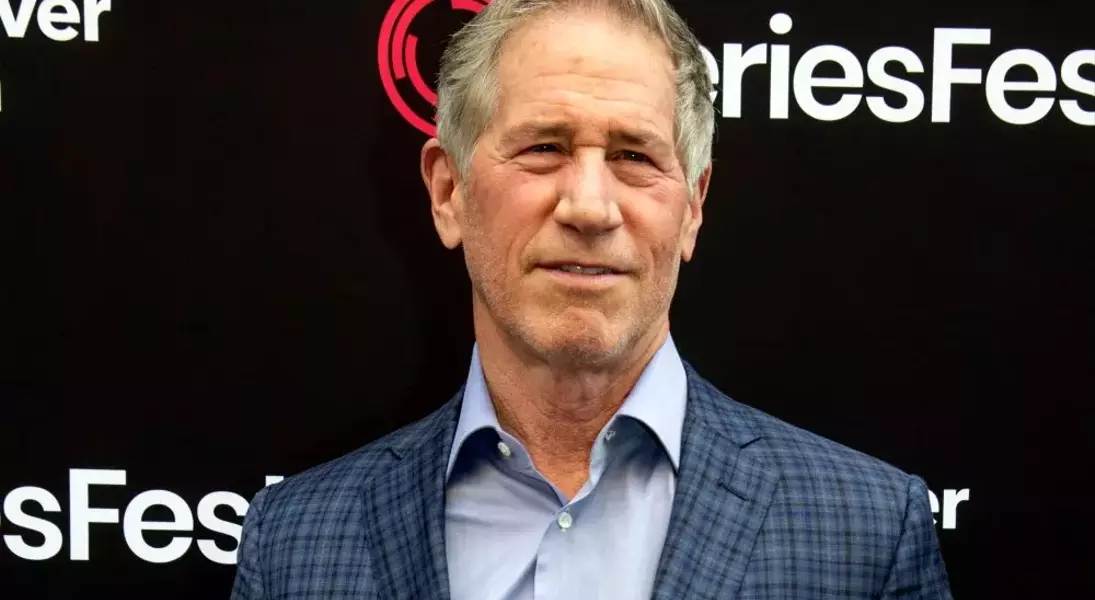
In a landscape increasingly defined by shifting alliances and intense competition, Lionsgate's chief executive, Jon Feltheimer, has thrown his support behind the proposed amalgamation of Paramount and Warner Bros. Discovery. His remarks underscore a growing sentiment within the entertainment industry that prolonged uncertainty surrounding such significant corporate maneuvers can stifle innovation and hinder progress. Feltheimer's perspective, articulated during Lionsgate's recent earnings call, highlights the intricate web of relationships among major studios, where competitors in one arena can be vital partners in another.
Lionsgate Chief Advocates for Prompt Resolution of Paramount-Warner Bros. Discovery Merger
On August 7, 2026, during Lionsgate's quarterly earnings conference call, CEO Jon Feltheimer unequivocally endorsed the expedited finalization of the Paramount-Warner Bros. Discovery merger. Speaking from his executive position, Feltheimer stressed the critical need to resolve the ongoing regulatory scrutiny, which includes an impending antitrust trial scheduled for March 2027. His rationale stems from the belief that protracted delays and the resulting market instability are counterproductive for all stakeholders in the entertainment ecosystem.
Feltheimer articulated that while Lionsgate directly competes with both Paramount Skydance and Warner Bros. in specific areas, particularly in theatrical film releases, these entities also represent significant clients or prospective clients for Lionsgate's diverse offerings. He specifically cited an existing relationship with Paramount, noting that Lionsgate had recently sold a new television program to the company and was actively engaged in discussions regarding potential co-financing opportunities for feature films. This dual role as both a competitor and a collaborator underscores the complex interdependencies within the modern media industry.
Drawing upon a past collaboration with David Ellison, whom he highly regards for his passion for content, Feltheimer expressed optimism about the merged entity's potential. He envisions that a unified and well-resourced Paramount-Warner Bros. Discovery, particularly with a strengthened streaming presence, would create a more robust and competitive environment. This, he argued, would ultimately benefit Lionsgate by increasing opportunities for original programming sales and library content licensing. He concluded by stating that while he generally favors the transaction, his primary concern is achieving market clarity and eliminating the current state of indecision.
Currently, the merger faces significant legal hurdles, including objections from 12 Democratic state attorneys general and the Writers Guild of America (WGA). These challenges have effectively frozen the deal, preventing its closure before the March 2027 trial or June 1, 2027, whichever comes first. However, a significant development occurred when the U.K.'s Competition and Markets Authority (CMA) granted its approval for the merger, signaling the clearance of a major regulatory hurdle internationally.
In related financial news, Lionsgate reported a substantial 48% increase in overall revenue for the June quarter. Its film division particularly excelled, generating $105 million in income, largely propelled by the immense success of the Michael Jackson biopic, "Michael." This film achieved over $1 billion at the box office, becoming the first biopic to reach such a milestone and Lionsgate's highest-grossing film to date. The studio is already in production for a sequel, anticipated for release in late 2027 or early 2028. Despite these successes, Lionsgate recorded a net loss of $28.8 million attributed to shareholders, an improvement from the $94 million loss reported in the previous year, although its television division experienced a decline in both revenue and profit.
The current situation highlights the intricate dance between corporate strategy, market dynamics, and regulatory oversight in the entertainment sector. Lionsgate's CEO's comments underscore a desire for stability and a clear path forward, emphasizing that mergers, despite their competitive implications, can also foster growth and collaboration within a rapidly evolving industry.
