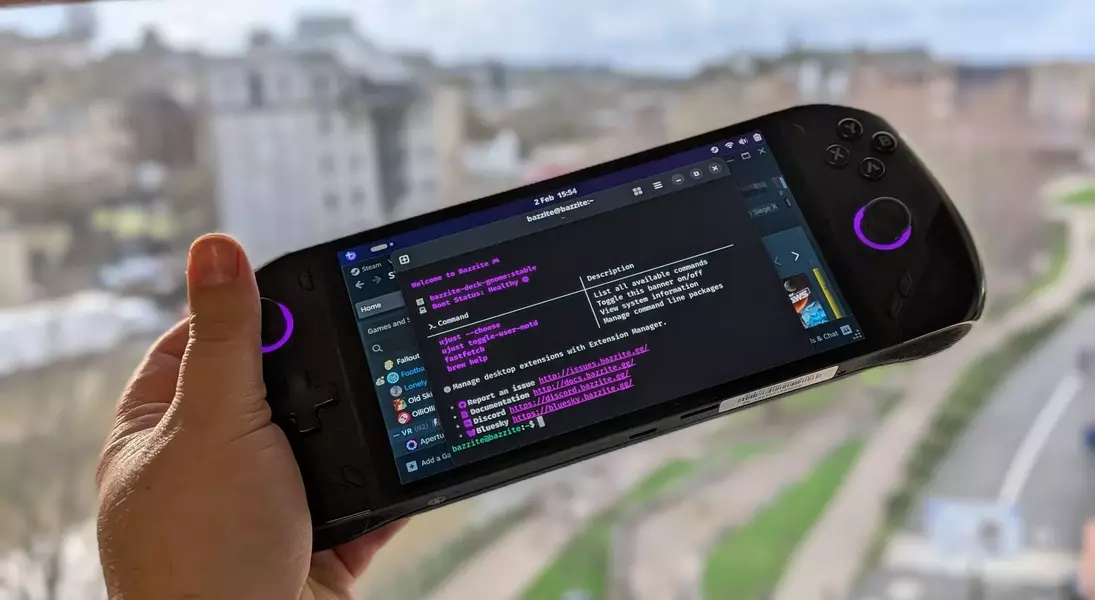
In the evolving world of PC gaming, a recent survey sheds light on a notable trend: a significant portion of enthusiasts are either migrating to or contemplating a move to Linux for their gaming needs. While the open-source operating system gains traction, a considerable number of players continue to find satisfaction with the traditional Windows environment, highlighting a diverse and dynamic gaming community.
Gamers Weigh In: Linux Adoption on the Rise
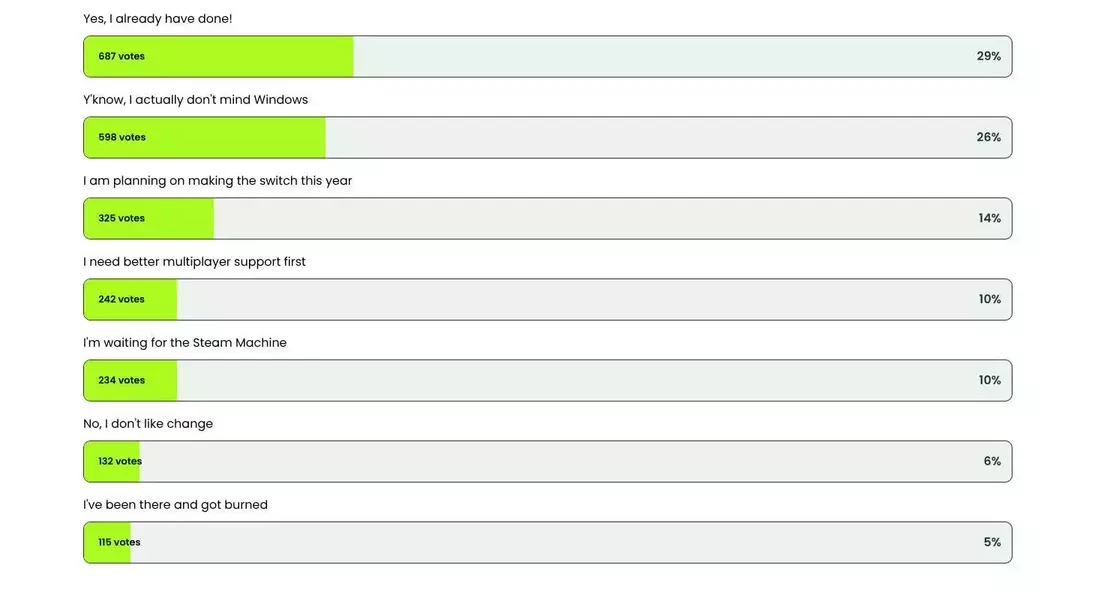
The gaming community recently participated in a poll addressing their operating system preferences. The results indicate that 29% of participants have already embraced Linux for their gaming setups. Another 14% have expressed their intention to transition to Linux within the current year, bringing the total of current and prospective Linux users to an impressive 43%. This surge in interest is largely attributed to advancements like Valve's integration of Linux into the Steam Deck and the continuous improvements in Proton, which facilitates gaming on various Linux distributions. However, the survey also revealed that 26% of respondents remain content with Windows, underscoring its persistent appeal. Other notable findings include 10% of users awaiting better support for multiplayer titles on Linux, particularly those with kernel-level anti-cheat systems, and another 10% holding out for the arrival of the Steam Machine. A small segment, 6%, cited a general aversion to change, while 5% had previously tried Linux and encountered issues that deterred them from a permanent switch. This poll, which gathered responses from 2,333 individuals, provides a snapshot of current user sentiments and ongoing trends in the PC gaming landscape.
The increasing adoption of Linux for gaming signifies a maturation of the platform, offering a viable alternative to Windows. The enthusiasm for Proton and Steam Deck demonstrates a strong community desire for open-source solutions. Yet, the continued preference for Windows by many highlights areas where Linux gaming still needs to evolve, particularly in overcoming compatibility hurdles for popular multiplayer games and simplifying the user experience. The ongoing dialogue within the community, as encouraged by the article's call for comments, is crucial for shaping the future direction of gaming operating systems.
