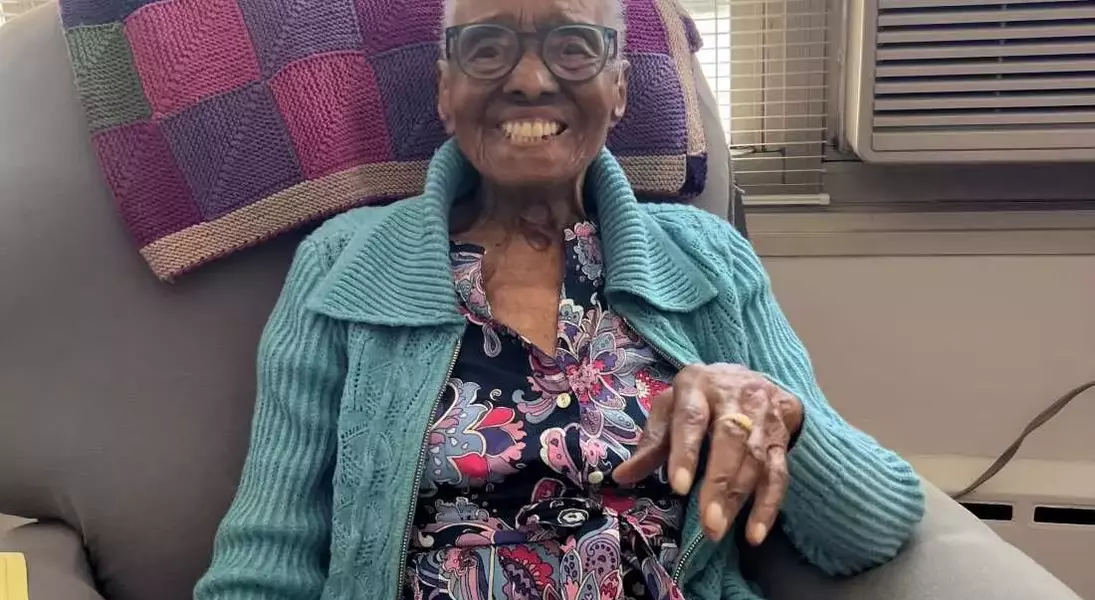
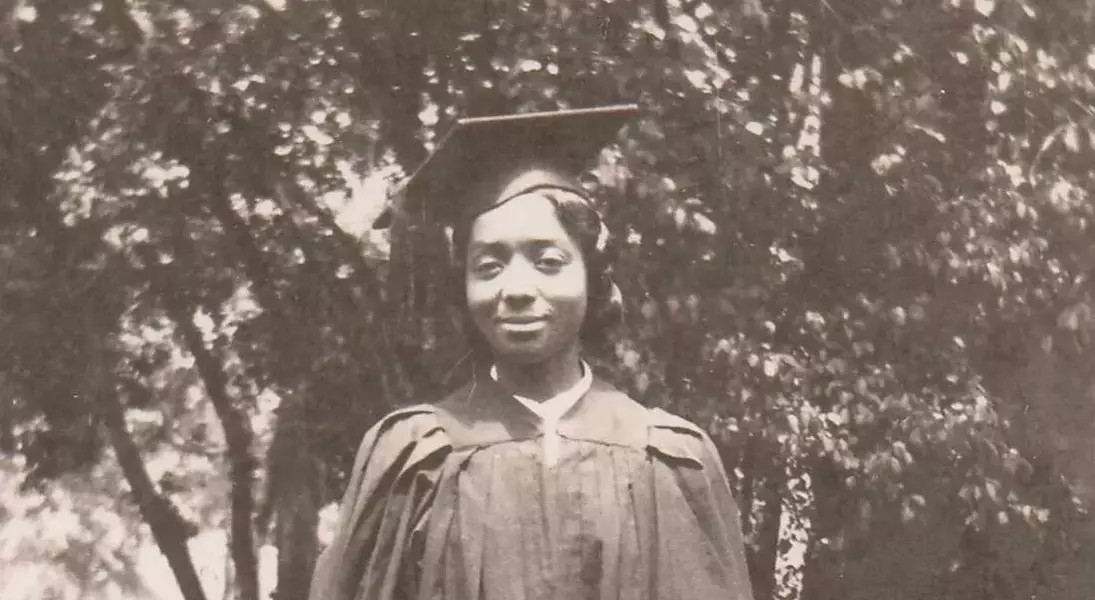
Edith Renfrow Smith, a woman whose life journey began in an era of profound racial segregation and extended through over a century of transformative change, has concluded at the age of 111. Her existence was a testament to resilience, a beacon of progress, and a living archive of American history. She not only surpassed the typical human lifespan, joining the exclusive ranks of supercentenarians, but she also carved out a path of distinction, defying the formidable societal barriers prevalent during her youth.
The Enduring Legacy of Edith Renfrow Smith: A Pioneer's Journey Through a Century of Change
In the vibrant city of Chicago, on a tranquil Friday, January 6, 2026, Edith Renfrow Smith peacefully departed from this world at the grand age of 111. Her daughter, Alice Smith, confirmed the passing of this extraordinary individual, whose life served as a living bridge between the past and the present.
Born into a challenging epoch in Poweshiek County, Iowa, at a time when racial discrimination was deeply entrenched, Edith's upbringing was shaped by her parents, Lee and Eva Renfrow. Her father, a barber, and her mother, a laundress, instilled in their six children an unwavering belief in the power of education as an unassailable asset. This philosophy propelled Edith to achieve a groundbreaking milestone: in 1937, she became the first Black woman to graduate from Grinnell College, a small liberal arts institution located just blocks from her childhood home. At that time, she was the sole Black student on campus, embodying quiet courage and academic excellence.
Edith's professional life began amidst the grim realities of the Great Depression, a period characterized by staggering unemployment, particularly for Black women. Despite these obstacles, she secured a position as a secretary for Oscar De Priest, the first African American elected to Congress in the post-Reconstruction era. Driven by a desire to uplift others, she transitioned into teaching, dedicating 22 years to nurturing young minds within the Chicago Public School system.
Throughout her remarkably long life, Edith Renfrow Smith intersected with numerous historical figures and movements. While pursuing her studies, she had the unique opportunity to meet aviation icon Amelia Earhart, describing the encounter as a “delightful visit.” Later, as an active participant in Chicago's rich Black cultural scene, she frequently attended events at the YWCA, where she met acclaimed poet Gwendolyn Brooks. Her experiences also included a memorable meeting with Dr. Martin Luther King Jr., whom she encountered when he spoke at a local synagogue.
Beyond her personal achievements, Edith's influence extended to others. Her warm friendship with the Hancock family on Chicago's South Side left a lasting impression on a young Herbie Hancock, who would later become a legendary jazz artist. He fondly recalled her “regal kind of presence” and described her demeanor as “one of absolute respect.”
Even in her retirement, Edith remained actively engaged. She dedicated her time to volunteering and indulged in her passion for pie-making. Her commitment to contributing to knowledge was evident in her participation as a “SuperAger” at the University of Chicago's Healthy Aging & Alzheimer's Research Care Center, where she ultimately donated her remains for scientific research.
Reflecting on her long and eventful journey in a 2023 conversation, Edith acknowledged the “lot, lot, lot” of both good and bad history she had witnessed. Yet, her spirit remained indomitable, her outlook resolutely optimistic. Her advice to others was simple yet profound: “Wake up every morning and thank the good Lord that you are alive and able to look at his wonderful world. And always go with a smile. A frown does nothing for the person you meet.” Her words encapsulate a life lived with grace, gratitude, and an unwavering belief in the power of positivity.
Edith Renfrow Smith's journey stands as a powerful narrative of endurance and pioneering spirit. Her life reminds us that true impact often lies not just in grand gestures, but in consistent dedication to education, community, and an optimistic outlook. Her story challenges us to consider the historical currents that shaped her path and to find inspiration in her remarkable ability to thrive and contribute through profound societal shifts. It underscores the enduring importance of individuals who, through their personal histories, illuminate the broader tapestry of human progress and resilience.
