
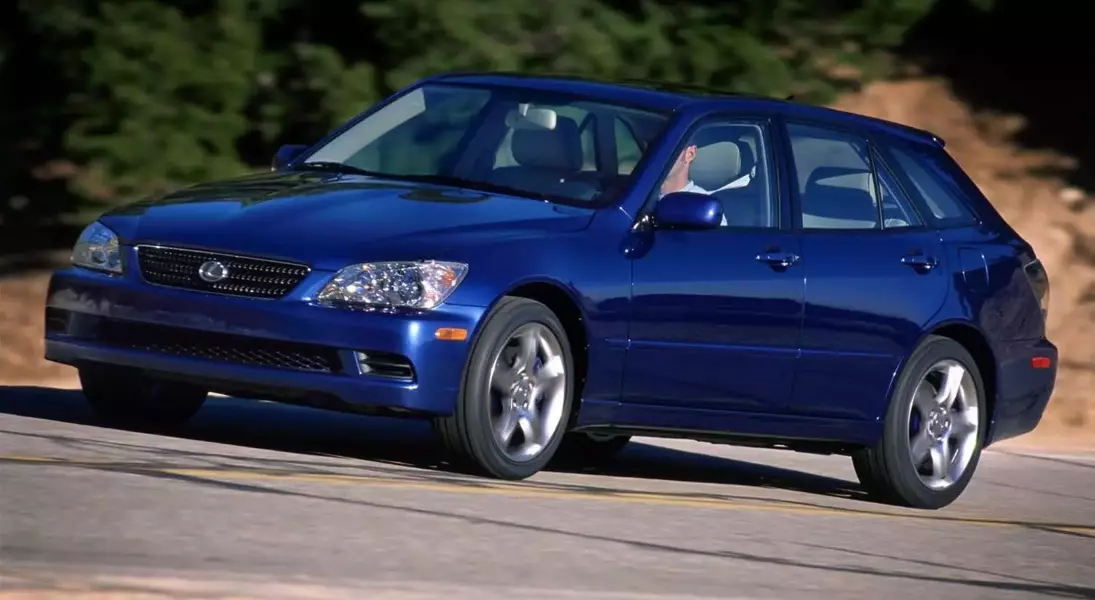
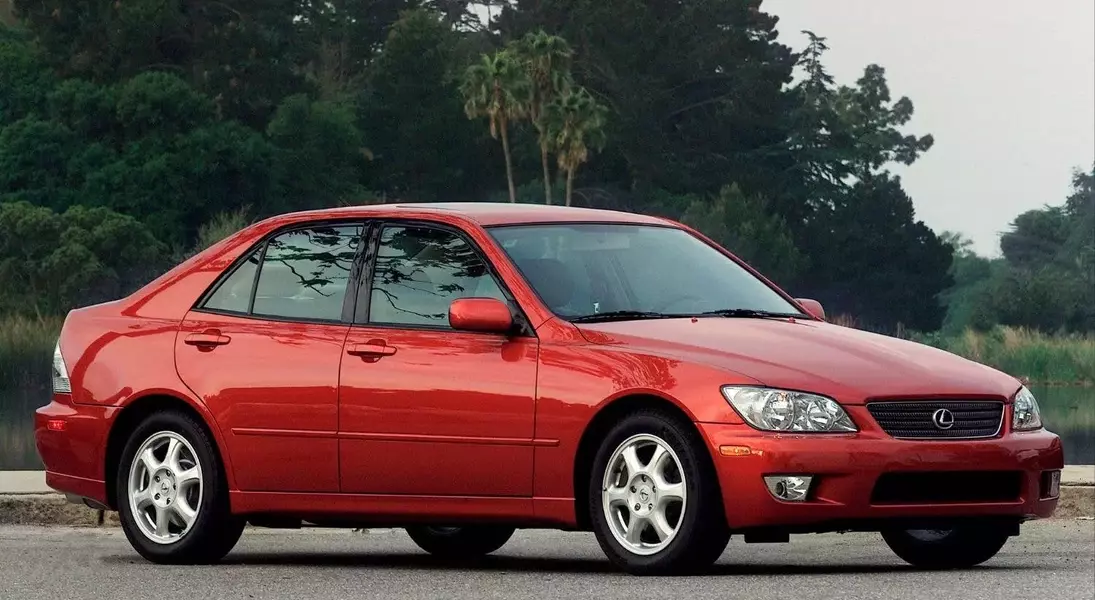
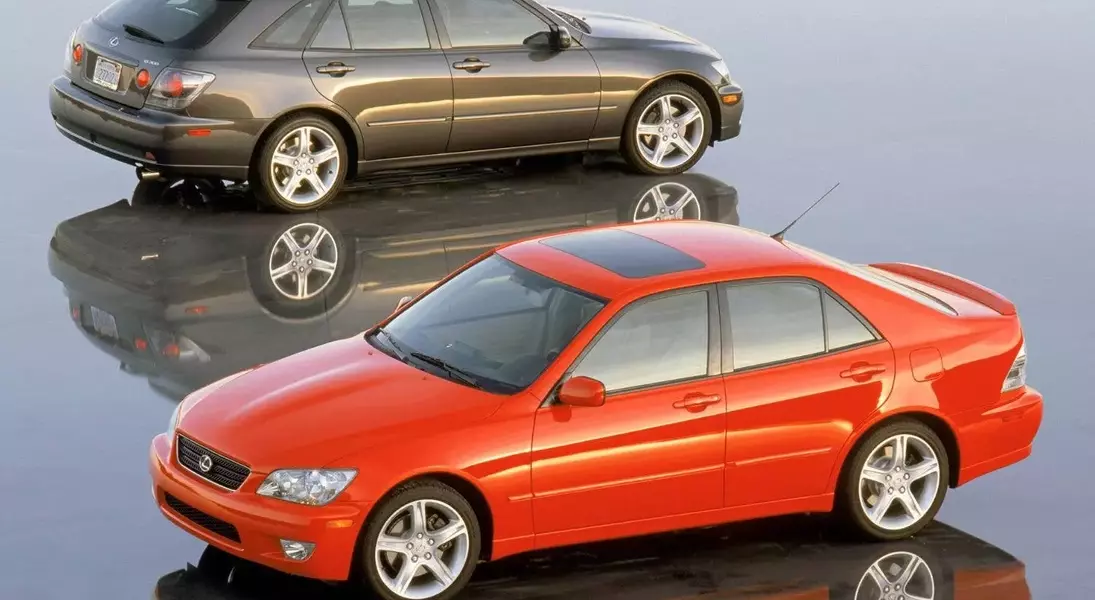
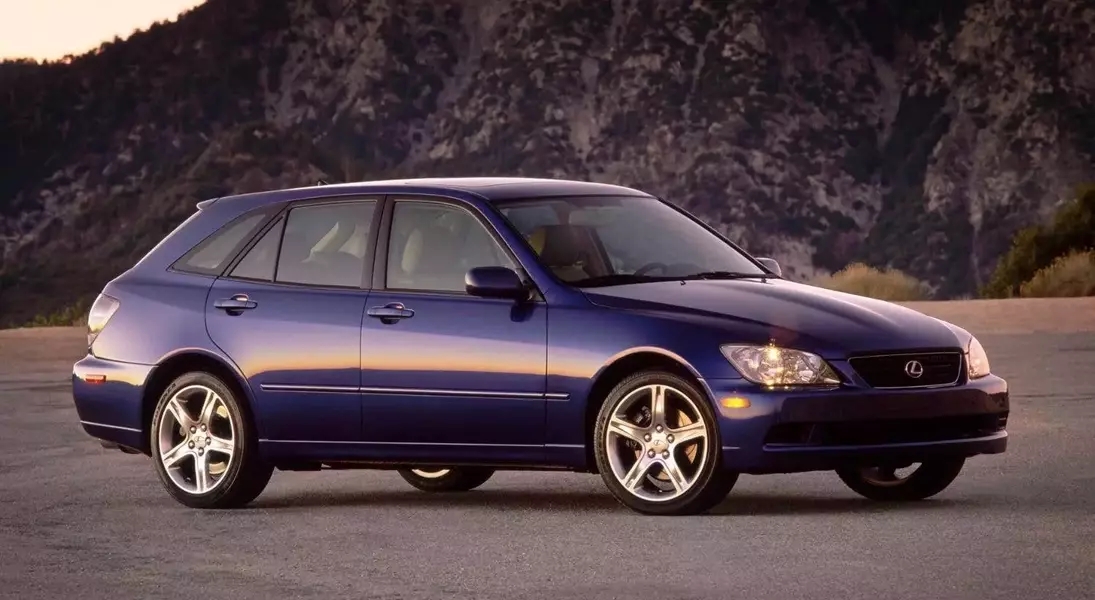
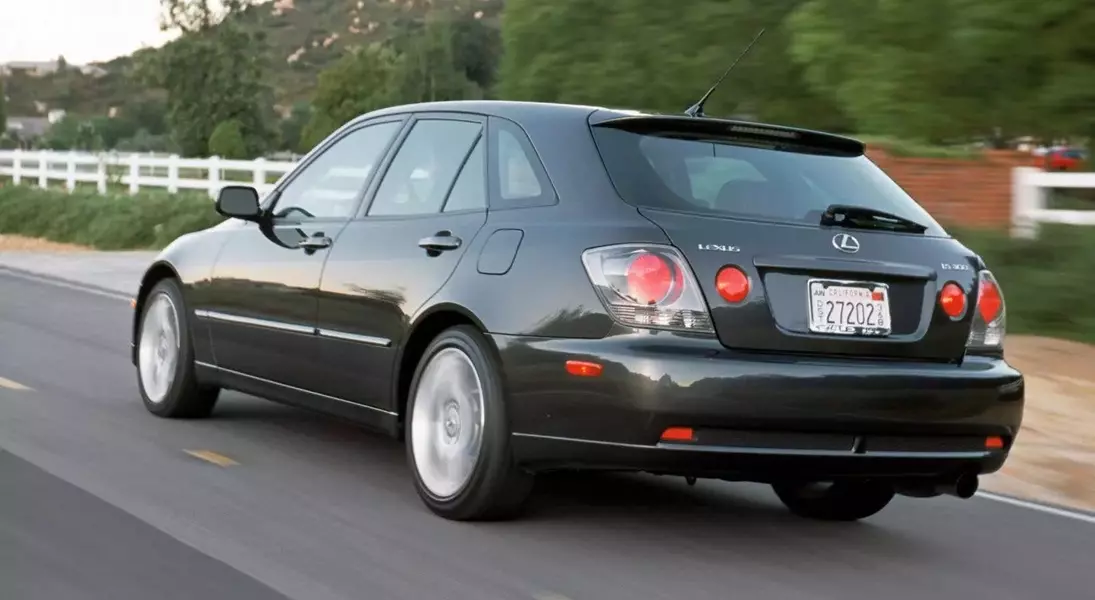
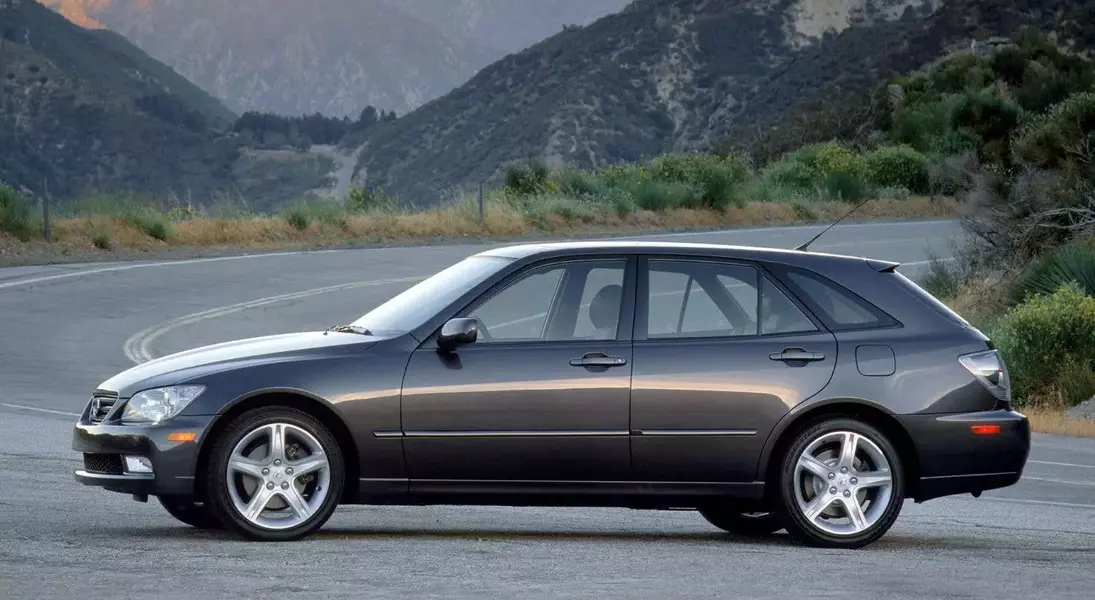
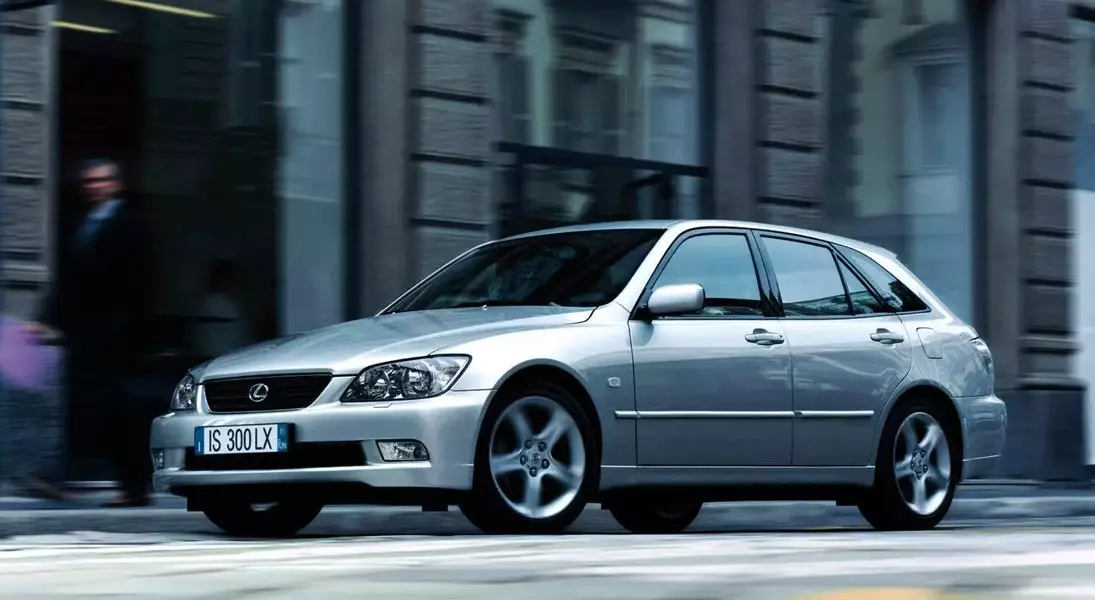
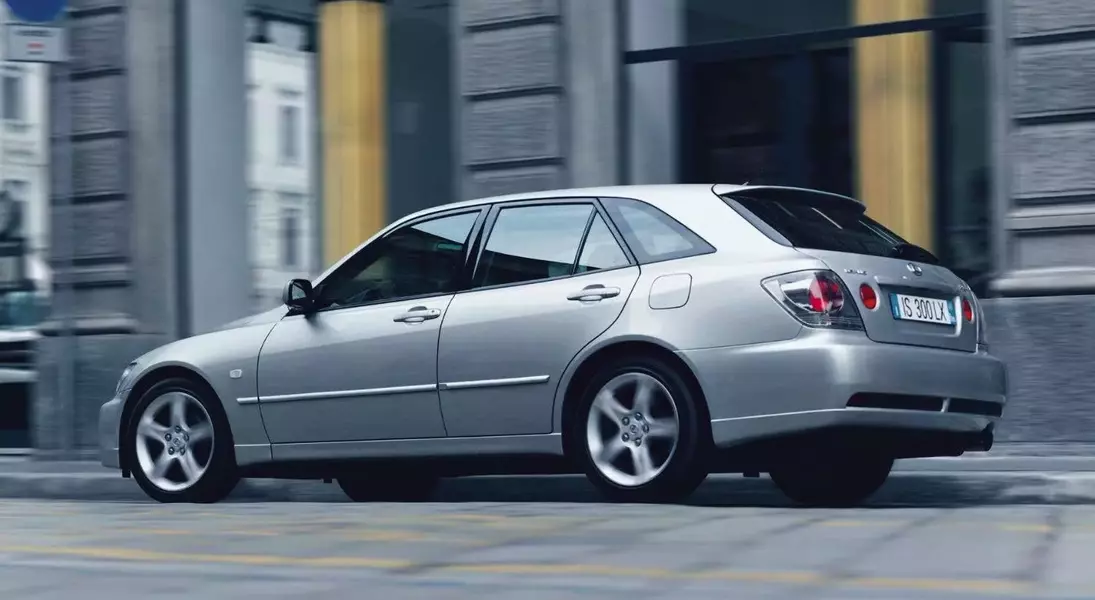
Lexus, a brand renowned for challenging established luxury norms, made a singular, ambitious foray into the compact luxury wagon segment with the IS SportCross. This venture, occurring at the turn of the millennium, represented Lexus's attempt to penetrate a market firmly held by European manufacturers. Despite offering a vehicle that garnered positive reviews for its blend of sporty aesthetics and commendable performance, the IS SportCross struggled to find widespread commercial success. Its journey from an engineering curiosity to a critically praised but commercially overlooked model highlights the complexities of market penetration and consumer preferences, especially in a segment with deeply entrenched competitors. Today, this unique vehicle is remembered not for its sales figures, but for its distinctive character and its eventual rise to cult status among automotive enthusiasts.
Lexus's Bold Foray: The IS SportCross Narrative
In the vibrant automotive landscape of the early 2000s, Lexus, a brand synonymous with luxury and innovation, embarked on a unique journey to introduce its first and only station wagon, the IS SportCross. This ambitious project aimed to challenge the well-established dominance of European manufacturers in the compact luxury wagon sector.
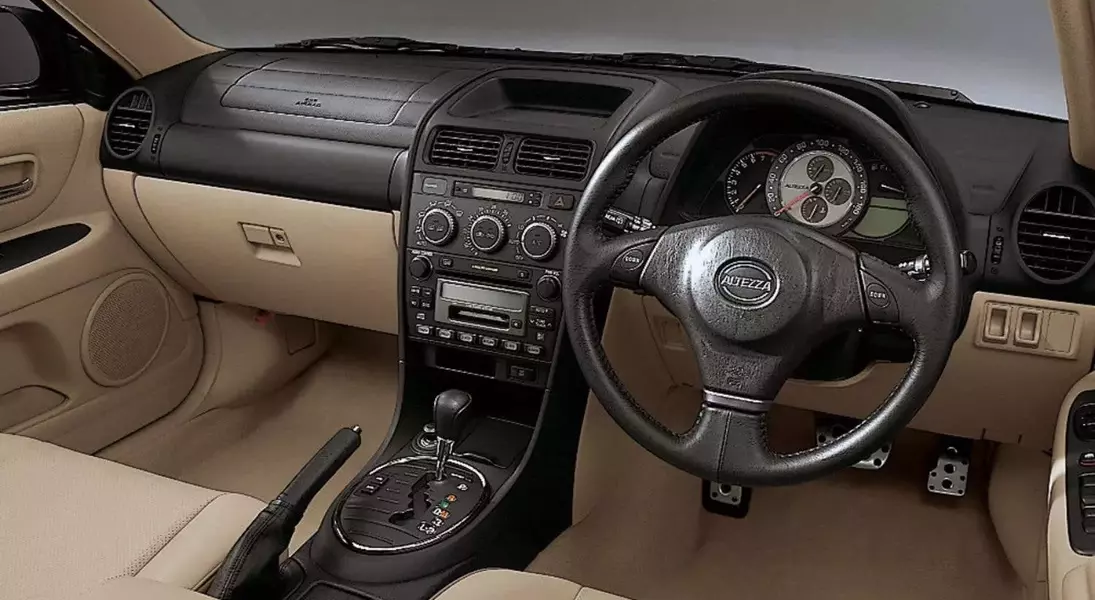
The genesis of the IS SportCross can be traced back to the creative vision of Lexus IS engineer Nobuaki Katayama. His personal desire to transport a go-kart in the back of an Altezza (the Japanese market version of the IS) reportedly fueled the initial concept for a wagon variant. This rather unconventional inspiration quickly evolved into a serious development project, with the production model emerging surprisingly swiftly, in just about two years.
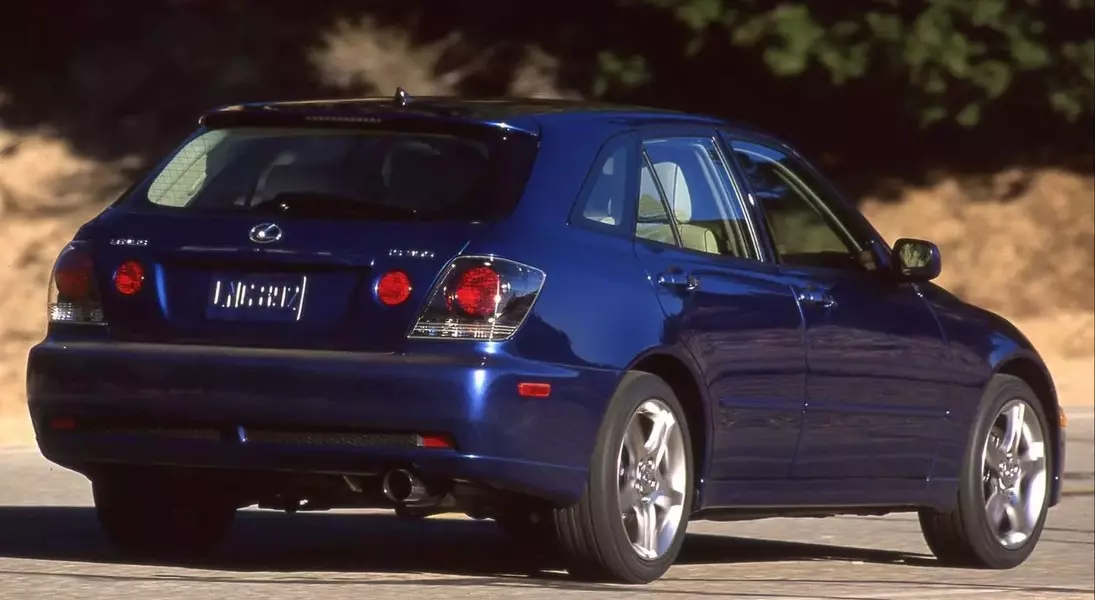
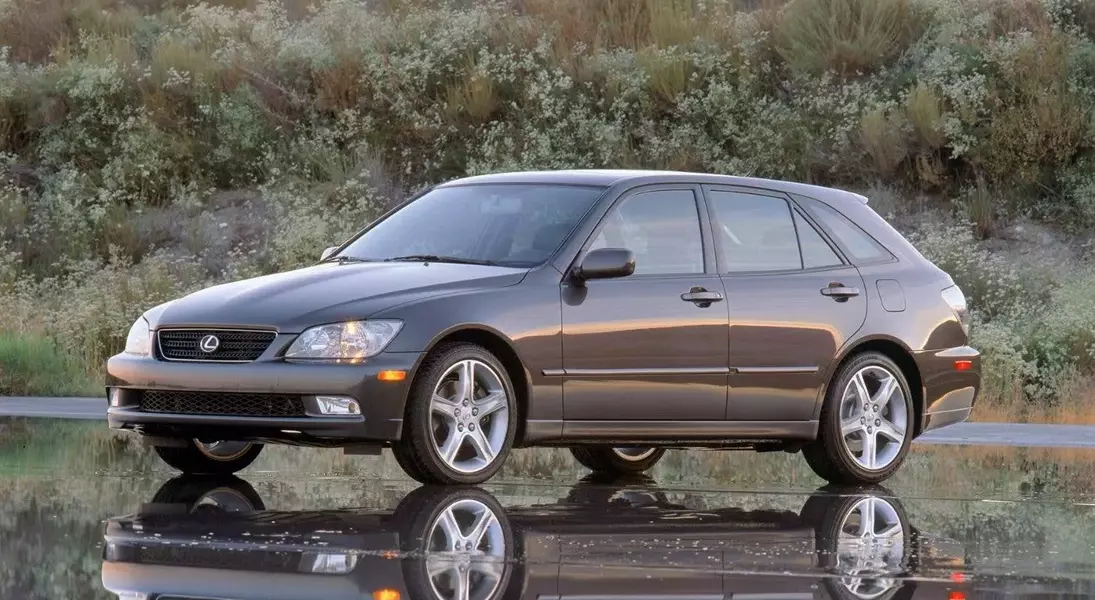
Making its global debut at the prestigious 2001 Detroit Auto Show, the IS SportCross was a statement of Lexus's intent. It was designed to offer a blend of practicality and the dynamic performance characteristics of its sedan counterpart. Katayama himself emphasized the goal of preserving the sporty image, opting for an "innovative crossover concept" that married the agility of a sport sedan with the utility of a wagon, rather than a conventional, boxy wagon design.
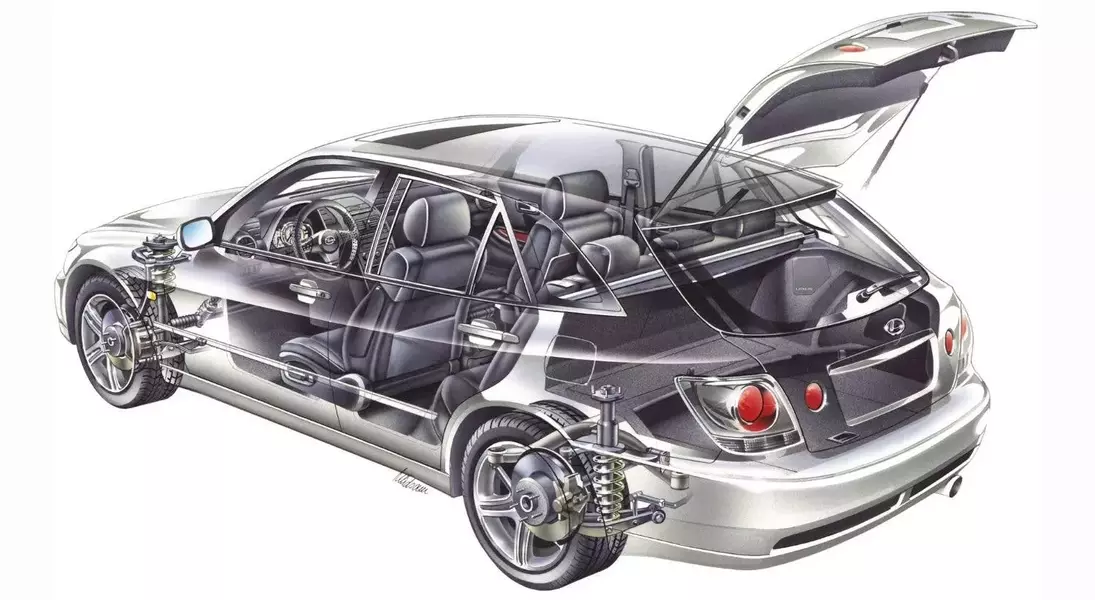
Under the hood, the U.S. market received the robust 3.0-liter 2JZ inline-six engine, a non-turbocharged relative of the legendary Supra engine, delivering a respectable 215 horsepower and 218 lb-ft of torque, all channeled to the rear wheels via a five-speed automatic transmission. European markets had additional options, including a 2.0-liter inline-six with a manual gearbox, catering to regional preferences. The Japanese domestic market's Altezza Gita further offered all-wheel drive capabilities.
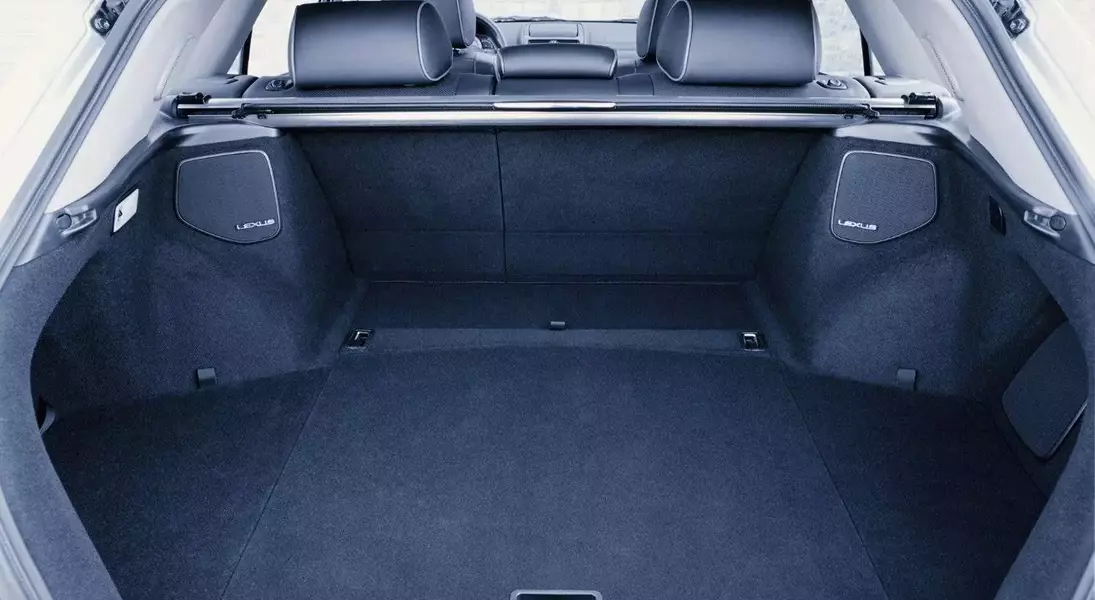
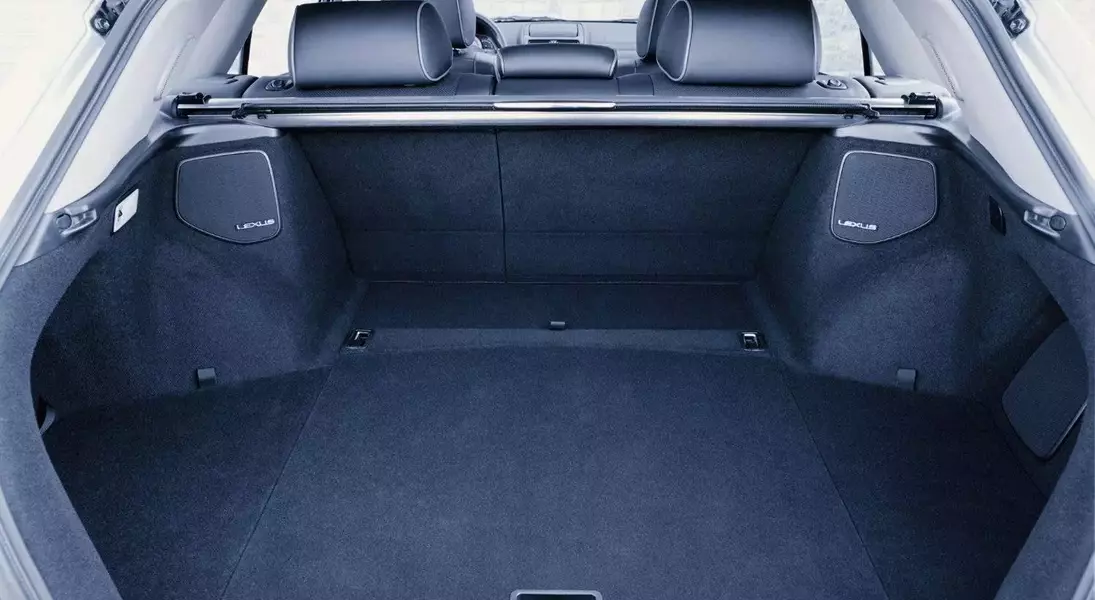
Practicality was a key feature, with standard split-folding rear seats providing 21.8 cubic feet of cargo space, expandable to 37.5 cubic feet with the seats folded down—a significant improvement over the sedan's trunk. Automotive critics largely lauded the IS SportCross. Publications like MotorTrend praised its performance, noting it matched the sedan's driving dynamics, while England's Auto Express hailed it as a "very real challenger to the old order." Its sleek styling was generally well-received, often noted as being more elegant than its German and Swedish rivals, though some reviewers, like Car and Driver, remarked that its sloping roofline made it more akin to a shooting brake than a traditional wagon, slightly compromising ultimate cargo capacity.
Despite critical acclaim, commercial success eluded the IS SportCross. Lexus had modest sales targets—5,000 units annually in the U.S. and 2,000 in Europe—but even these conservative goals were unmet during its 2001-2005 production run. Less than 3,100 units were sold in the U.S. over four years, and European sales were similarly disappointing. The rise of SUVs in the U.S., the SportCross's compromised practicality compared to competitors, and the lack of a diesel engine option in Europe, where diesel wagons were increasingly popular, were cited as primary reasons for its market struggle. Only in Japan, as the Altezza Gita, did it achieve somewhat reasonable success.
The journey of the Lexus IS SportCross serves as a fascinating case study in automotive market dynamics. Despite being a well-engineered and stylish vehicle that captivated critics, it ultimately failed to resonate with the broader buying public during its production years. However, its rarity and mechanical robustness have since propelled it into the realm of a cult classic. For enthusiasts seeking a distinctive, reliable, and unique modern classic wagon, the IS SportCross offers an intriguing alternative to the more common European offerings. Its legacy endures, celebrated by a new generation of admirers who appreciate its unique blend of sportiness, practicality, and exclusivity.
The story of the Lexus IS SportCross provides a compelling lesson in the automotive industry: innovation and critical acclaim do not always guarantee commercial success. It highlights the intricate balance between market demand, evolving consumer tastes, and the competitive landscape. While its sales figures were undoubtedly a disappointment for Lexus at the time, the SportCross's enduring appeal as a cult classic underscores that true value can often be found beyond initial market reception. It reminds us that some vehicles, though perhaps ahead of their time or niche in their appeal, can ultimately carve out a significant place in automotive history, cherished for their unique character and rarity by a devoted community of enthusiasts.
