

The revered Lexus LFA, a supercar celebrated for its brief but impactful run between 2010 and 2012, is making a significant return, albeit in a dramatically different form. This new iteration emerges as an all-electric concept, signaling Lexus's commitment to innovation and future-forward design. While purists might lament the absence of its iconic V-10 engine, this electric LFA aims to redefine the legacy of the model by embracing sustainable performance and cutting-edge engineering, maintaining its status as a pinnacle of automotive excellence.
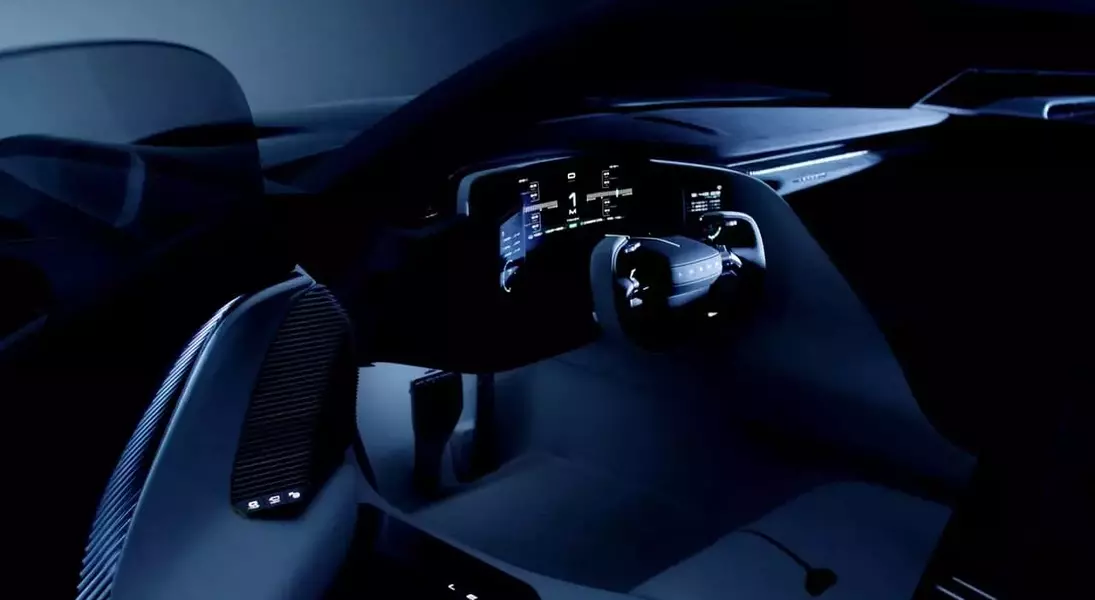
This innovative concept is built on a sophisticated lightweight and high-rigidity aluminum chassis, which is also foundational to the new Toyota GR GT and GT3 race car. The design language largely draws from an earlier Sport Concept, featuring only minor aesthetic enhancements that bring it closer to a production-ready vision. The interior highlights a driver-focused cockpit with advanced digital displays, indicating a blend of high-performance tradition with modern technological integration. This strategic evolution positions the LFA concept as a symbol for future Lexus supercars, prioritizing advanced technology and design continuity.
The Reimagined LFA: Electric Future
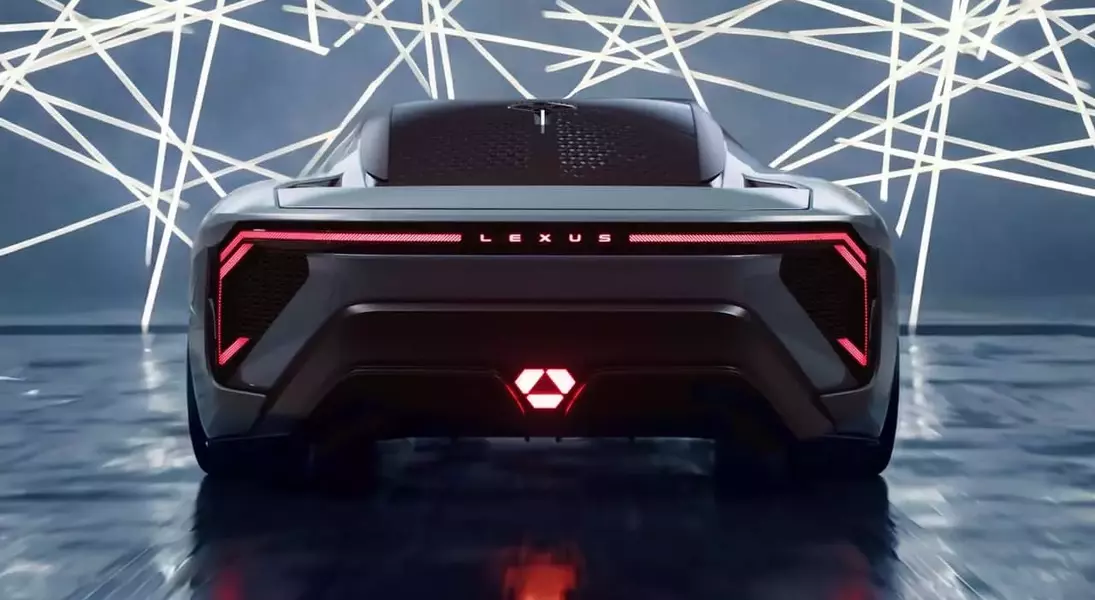
Lexus has unveiled its latest LFA Concept, marking the return of the iconic nameplate with a significant shift: it's entirely electric. Unlike its predecessor's high-revving V-10 engine, this concept foregoes internal combustion for a battery-electric powertrain. The design closely mirrors the Sport Concept previously seen in Monterey, suggesting that the upcoming production model will likely retain these electric underpinnings and visual cues. This move underscores Lexus's vision for performance that aligns with a sustainable future, despite the nostalgic connection to the original LFA's auditory and mechanical prowess.
The debut of the new LFA Concept emphasizes Lexus's dedication to evolving its performance identity. Central to this concept is a newly developed lightweight, high-rigidity aluminum chassis, a component also shared with Toyota’s GR GT and GT3 race cars. This platform is designed to provide exceptional handling and structural integrity, essential for a supercar. Visually, the concept retains much of the aggressive and sleek lines from its Sport Concept precursor, with subtle refinements that hint at production readiness. While specific performance metrics and battery configurations remain undisclosed, Lexus frames the LFA name not as being tied to engine type, but as a commitment to integrating advanced technologies for future generations of high-performance vehicles. The interior boasts a driver-centric cockpit with advanced digital screens, moving away from traditional tactile instruments to a more futuristic interface, signaling a new era for Lexus supercars.
Design and Engineering: A New Foundation
The new Lexus LFA Concept integrates a groundbreaking lightweight, high-rigidity aluminum chassis, signaling a new era of engineering for the brand. This advanced foundation is crucial for supporting the vehicle's electric powertrain and ensuring dynamic performance. The concept's exterior design remains remarkably consistent with the earlier Sport Concept, indicating a clear direction for the production model's aesthetics. Its increased dimensions compared to the original LFA reflect a modern approach to supercar proportions, blending heritage with contemporary design principles.
At the core of the electric LFA Concept is an innovative lightweight, high-rigidity aluminum chassis. This pivotal engineering development not only supports the vehicle's electric propulsion system but also forms the basis for new performance models like the Toyota GR GT and GT3 race car. The visual presentation of the new LFA Concept closely aligns with the Sport Concept that premiered earlier this year in Monterey, featuring largely identical body panels with minor adjustments to enhance its production-ready appearance. This strong design continuity suggests that the final production version will closely follow the concept's aesthetic. Furthermore, the new LFA Concept boasts larger dimensions than its predecessor, measuring 185.6 inches in length, 80.3 inches in width, and a wheelbase of 107.3 inches, making it notably longer and wider. The interior is characterized by a sophisticated, driver-focused cockpit with digital instrument clusters replacing traditional tactile controls, reflecting a forward-thinking design philosophy that prioritizes modern technology and driver engagement.
