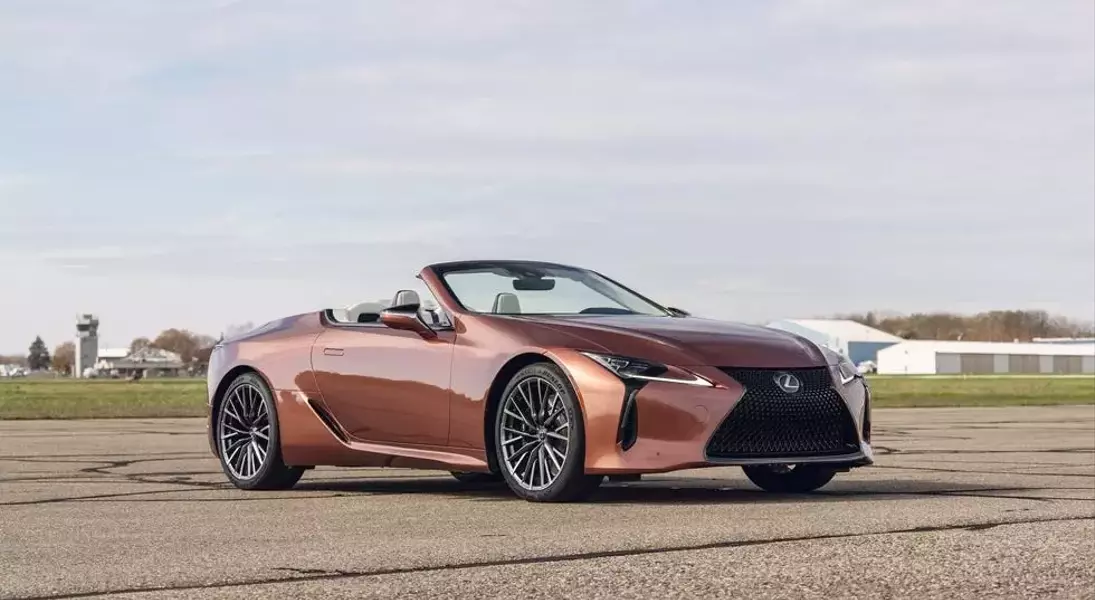
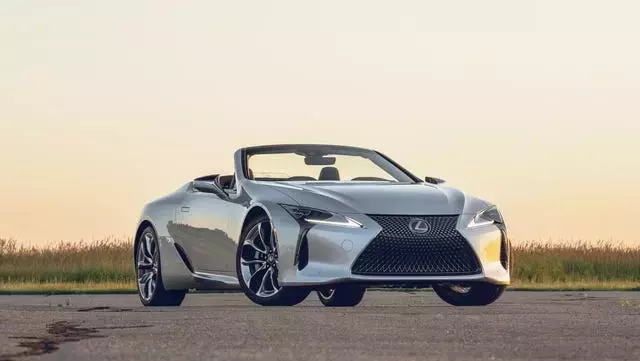
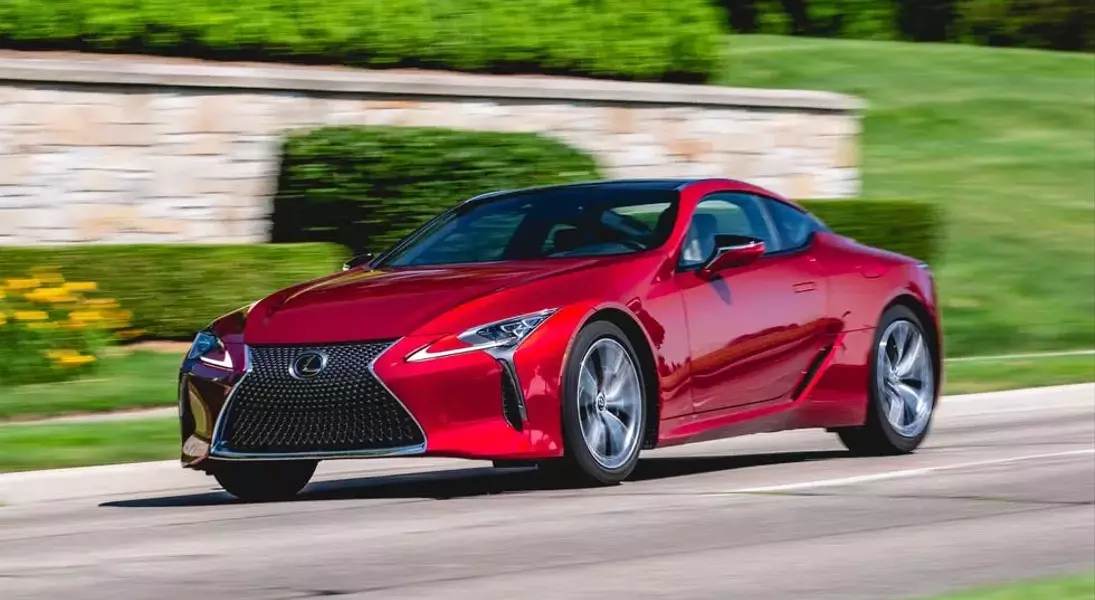
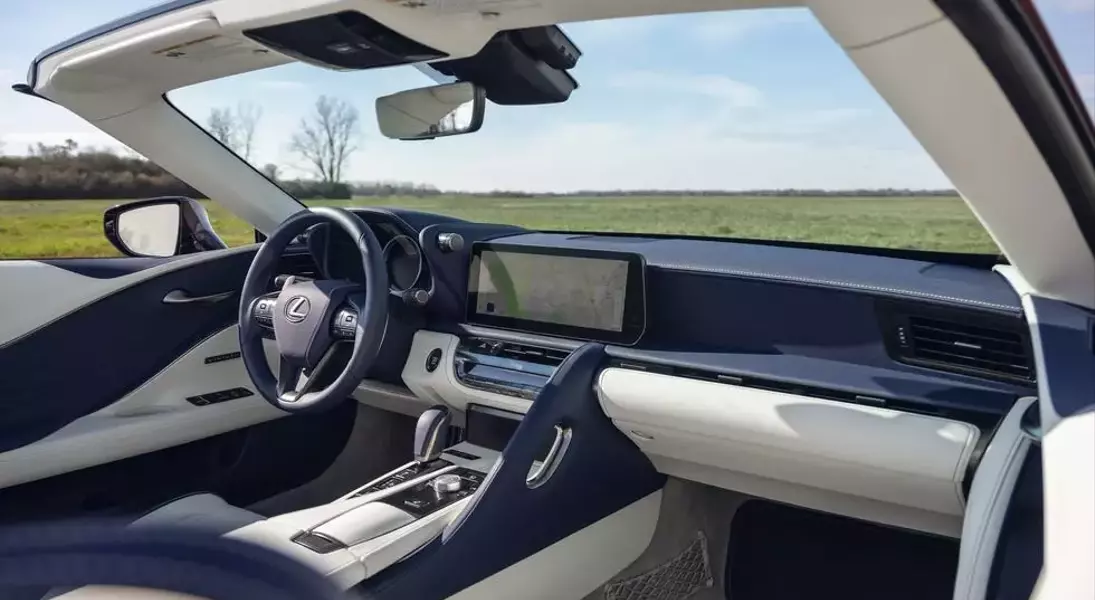
Lexus has officially confirmed the cessation of production for its elegant LC coupe and convertible models, with manufacturing scheduled to end this August. The grand tourer, celebrated for its captivating design since its 2018 debut, will cease to be available after the 2026 model year. This decision, communicated through an official dealer letter, also signifies a significant shift for the brand, as it means the retirement of Lexus's signature naturally aspirated 5.0-liter V-8 engine.
Reports last summer hinted at the impending end for the revered Lexus LC, which have now been validated by the automaker. A spokesperson for Lexus reiterated the company's continuous evaluation of its product mix to align with consumer demands and optimize its offerings. Since its introduction, the LC has sold over 15,000 units through December 2025, a testament to its enduring appeal and unique position in the luxury sports car market.
The LC series initially launched with both the V-8 powered LC500 and the hybrid six-cylinder LC500h. The hybrid variant was phased out after the 2025 model year, shortly after a convertible version of the LC joined the lineup in 2021. Throughout its lifecycle, Lexus also released several limited-edition models as part of its 'Inspiration Series,' which boasted distinctive aesthetic enhancements and performance upgrades, further cementing the LC's status as a collector's item.
As the LC coupe and convertible make their final exit this summer, they will take with them the last vestige of Lexus's naturally aspirated 5.0-liter V-8 engine. This powerful and melodious engine was recently removed from the IS lineup as well, signaling a broader strategic shift. Looking ahead, Lexus is already previewing its future direction with concepts like the LFA, which, while promising, will feature an electric powertrain, marking a departure from the iconic roar of the LC's eight-cylinder symphony.
The conclusion of the Lexus LC's production run marks the end of a chapter for a vehicle that has consistently impressed with its timeless aesthetics and engaging driving experience. Its discontinuation underscores the evolving landscape of the automotive industry, where luxury brands are increasingly prioritizing new technologies and sustainable powertrains to meet future market demands.
