
Lexus recently marked its most successful June in history, driven by a surprising surge in sales for its IS sedan. While the luxury automaker witnessed a 3.9 percent overall growth, reaching 29,166 units sold, its sedan and coupe segment experienced a 27.2 percent decline, moving only 3,367 vehicles. This broader trend saw models like the ES and LS face significant drops in sales, with the ES falling by 89.3 percent as it approaches a redesign, and the flagship LS seeing a 98.5 percent decrease. The RC coupe also neared discontinuation, with a mere three units sold during the month. However, the IS model presented a striking contrast to this downturn, demonstrating exceptional resilience and a strong market presence.
The remarkable performance of the IS sedan stands out as a critical point of interest. Despite Lexus's strategic shift towards electrification and SUVs, the enduring appeal of the IS, an older platform with a conventional powertrain, poses an intriguing dilemma. The brand's future appears to be firmly rooted in hybrid and electric vehicles, which accounted for nearly 40 percent of its June sales. Yet, the IS's success indicates a significant demand for traditional gasoline-powered luxury sport sedans. This creates a compelling tension for Lexus, as it navigates the balance between modern automotive trends and the continued popularity of its long-standing models.
Lexus IS Model Defies Market Trends with Stellar June Performance
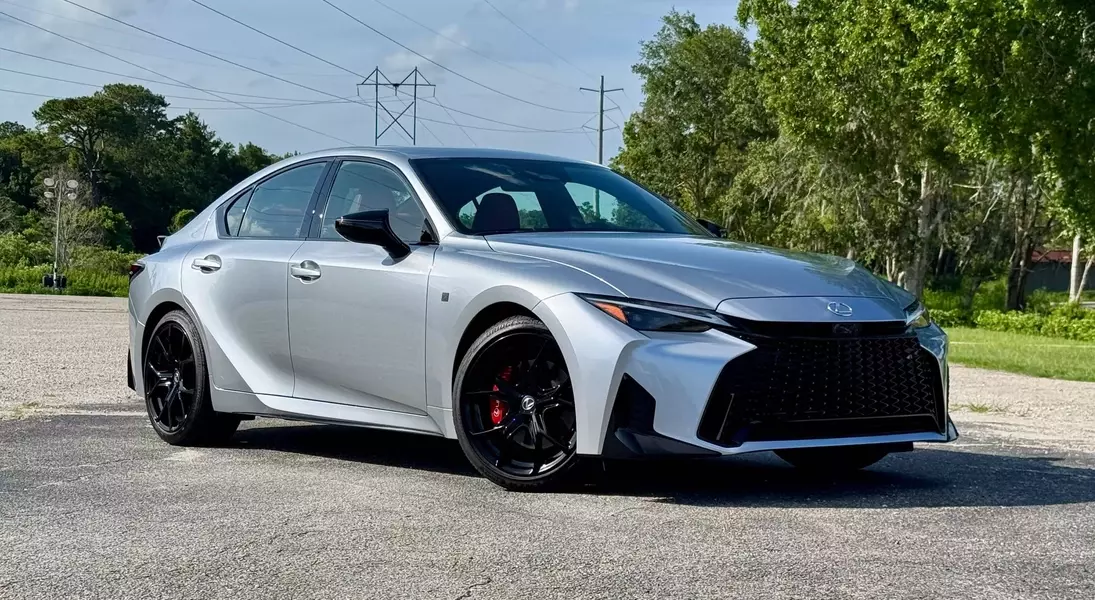
In a period where many luxury sedans are struggling, the Lexus IS recorded an impressive 120.5 percent sales jump in June compared to the previous year, with 2,888 units sold. This robust performance pushed its year-to-date sales to 14,071 units, marking a 42.7 percent increase. The IS now dominates Lexus's sedan and coupe sales, accounting for approximately 86 percent of all units moved in this category and outselling its closest competitor by nearly a 9-to-1 margin. This unexpected surge highlights the model's unique position and strong consumer demand within the luxury automotive segment, distinguishing it from other vehicles in the Lexus lineup.
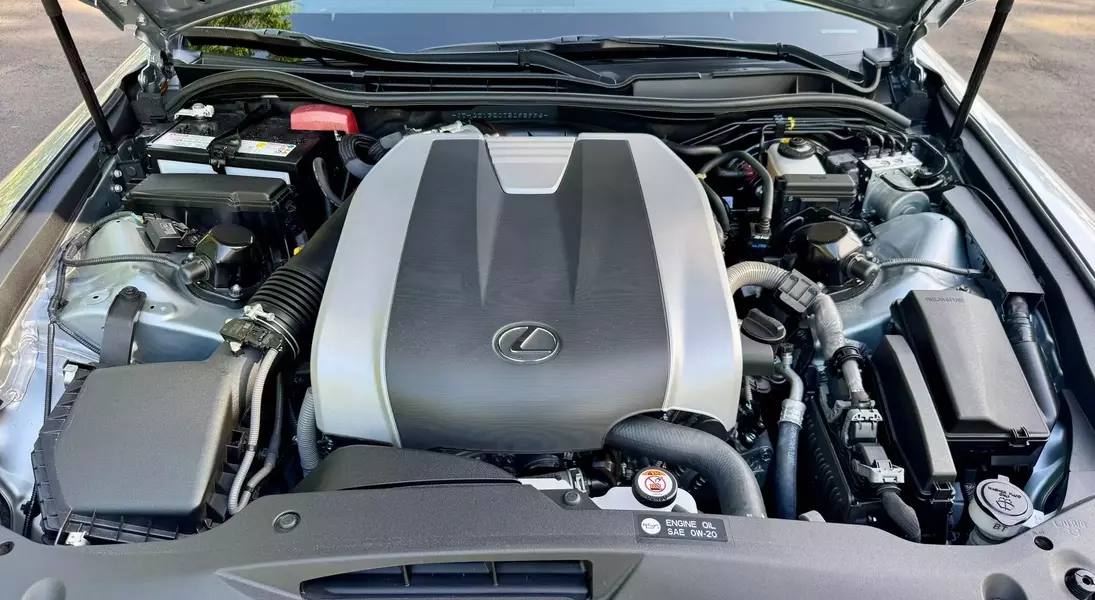
Despite its recent facelift, which introduced minor aesthetic updates such as a sharper front end, dual 12.3-inch displays, and enhanced steering and throttle response, the Lexus IS retains a platform dating back to 2013. The updated model also saw an approximate $5,000 price increase, placing its starting price at $46,795, a figure comparable to competitors like the BMW 3 Series. The discontinuation of the entry-level turbo-four IS 300 and the high-performance V8 IS 500 has streamlined the lineup to a single naturally aspirated 3.5-liter V6 engine, delivering 311 horsepower and 280 lb-ft of torque, available in IS 350 F Sport Design and F Sport trims. The continued success of the IS is largely attributed to its scarcity in a market increasingly dominated by turbocharged, hybrid, and electric alternatives, catering to enthusiasts seeking a traditional rear-wheel-drive, naturally aspirated luxury sport sedan experience.
The Strategic Crossroads: Lexus's Future Amidst IS Sedan's Success
While the Lexus RX SUV continues to be the brand's primary sales driver, moving 9,836 units in June, the unexpected success of the IS sedan plays a crucial role in maintaining the brand's presence in the passenger car market. This resurgence is particularly significant given Lexus's broader commitment to electrification, with nearly 40 percent of its monthly sales comprising electrified models. The IS, with its pure-gas, aging platform, stands as a counter-narrative to this forward-looking strategy, appealing to a niche but dedicated customer base that values its traditional automotive characteristics. This dichotomy underscores an evolving challenge for Lexus as it balances innovation with the enduring appeal of its classic offerings.
The impressive sales momentum of the IS sedan presents a compelling strategic question for Lexus. Its success stems from offering a classic combination of a naturally aspirated engine, rear-wheel drive, and a non-hybrid powertrain, a configuration that has largely disappeared from the luxury sport sedan segment. This "scarcity sells" phenomenon has allowed the IS to thrive, despite its dated platform and the brand's overall pivot towards advanced, eco-friendly technologies. As Lexus continues to invest heavily in hybrids and electric vehicles, the sustained popularity of the IS forces a reevaluation of how long the automaker will continue to support a platform from 2013, highlighting a potential tension between its long-term vision and immediate market opportunities.
