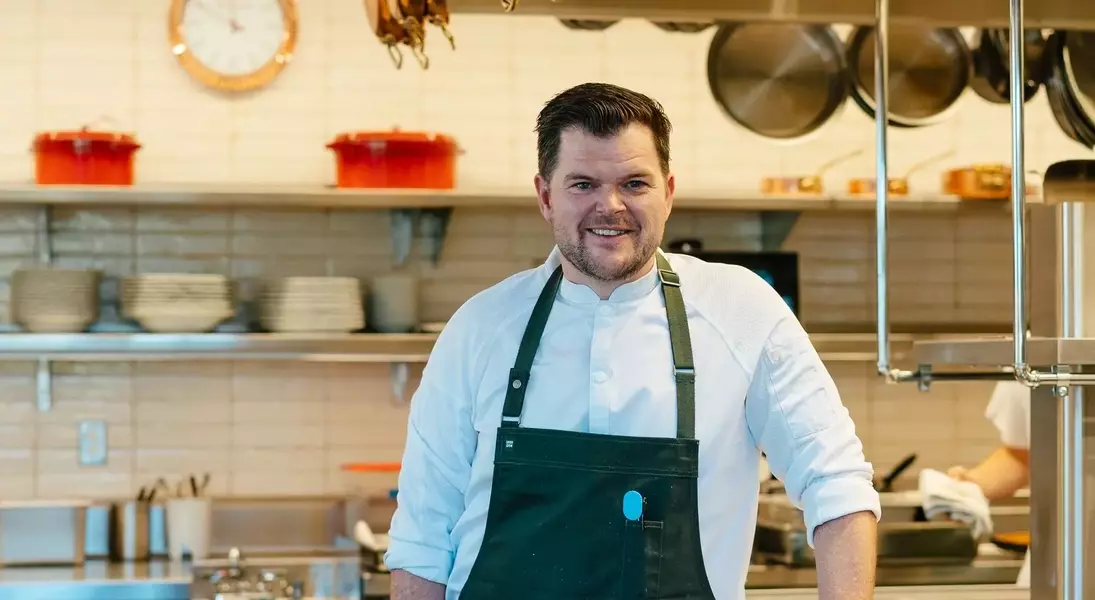
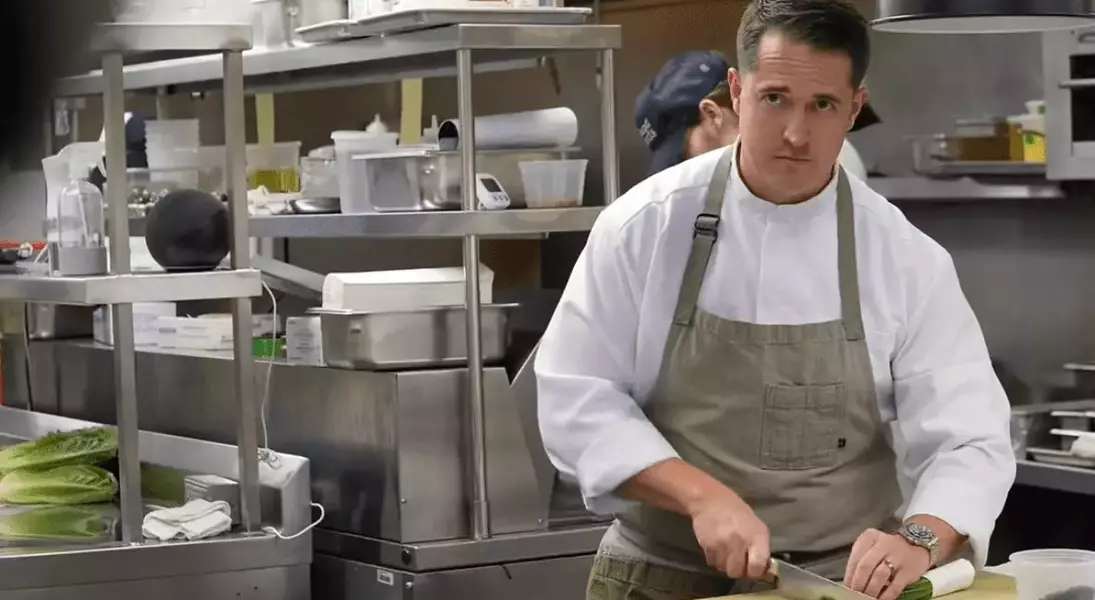
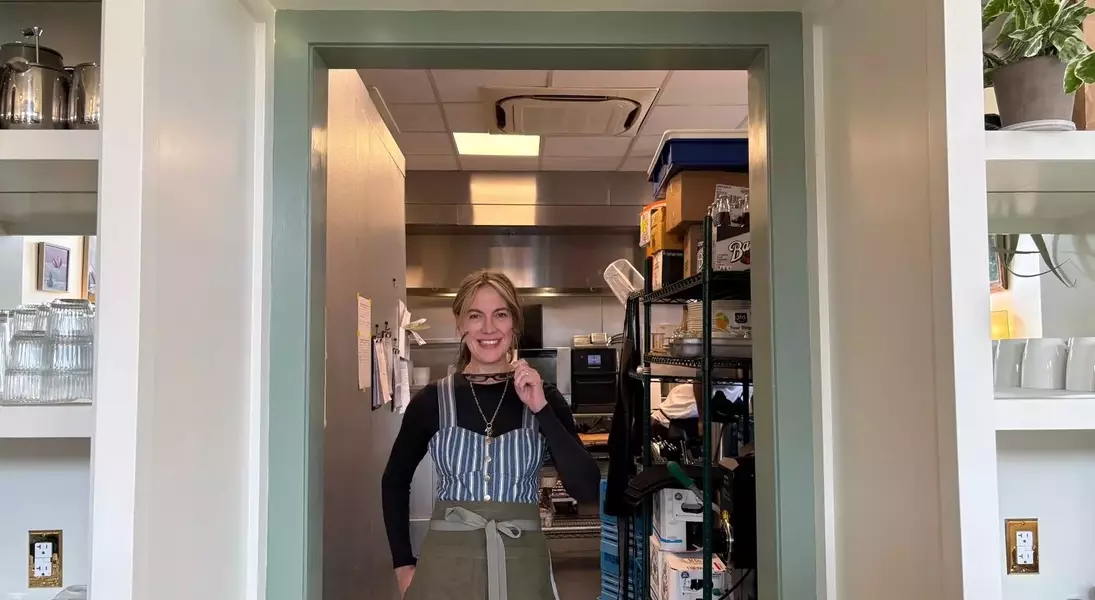
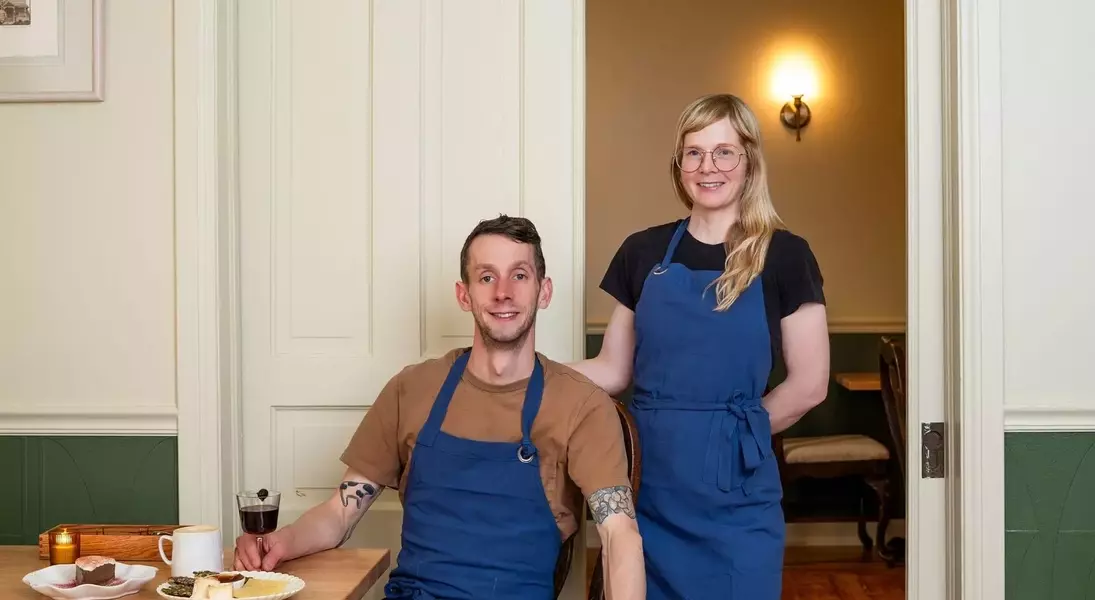
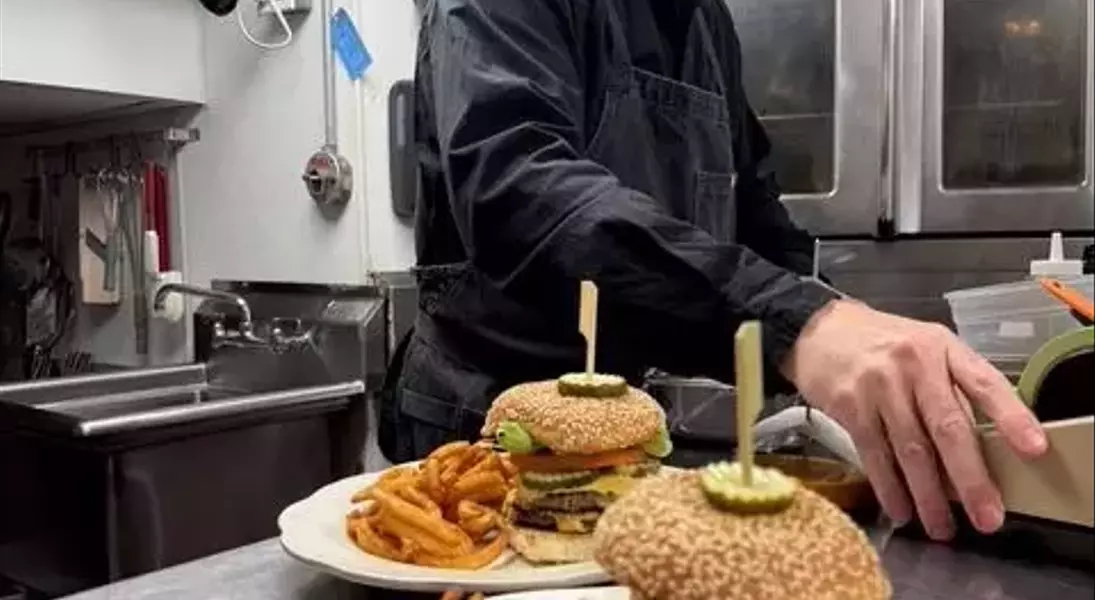
A notable movement is underway within the culinary world, as a rising number of acclaimed chefs are choosing to depart from bustling major cities in favor of establishing their restaurants in smaller towns and suburban locales. This strategic repositioning is largely motivated by the prohibitive operating costs, intense competition, and demanding lifestyle prevalent in urban centers. These chefs are seeking a more sustainable and family-friendly environment, where they can achieve a better work-life balance, reduce financial pressures, and foster a deeper connection with their communities and ingredients. The move allows them to reimagine their culinary visions with greater creative autonomy and a renewed focus on personal well-being.
Celebrated Culinary Talents Seek New Horizons Beyond Urban Centers
In a significant shift observed across the American culinary landscape, several distinguished chefs, once fixtures in high-pressure urban dining scenes, are now embracing life and business in less metropolitan areas. This phenomenon, affectionately dubbed "boomerangs," highlights a growing trend of chefs returning to their roots or seeking quieter settings to build their culinary empires.
Randall Restiano, formerly the beverage director at New York's Gramercy Tavern, spearheaded this movement last year when he and chef John Poiarkoff established La Chitarra, a pasta bar and wine studio, in Bronxville, Westchester. Restiano cited the overwhelming expenses and slim returns in Manhattan as primary motivators for his departure, noting that the suburban setting allowed for a substantial renovation, an extensive wine list, and quality ingredients at reasonable prices due to significantly lower overhead.
Another culinary luminary, Chef Joe Cash, who honed his skills at prestigious establishments like Per Se, Noma, and The Pool, made a definitive return to his hometown of Greenville, South Carolina. In 2022, he opened the MICHELIN-starred Scoundrel, and plans to unveil Dootsie's, an Italian restaurant named after his grandmother, this spring. Cash emphasizes that the relentless demands and financial strains of big city dining led him to seek a more rewarding and sustainable path. Mani Dawes, from Tía Pol, also made the move back to New Orleans to open Cafe Malou, stating that the economic model for independent restaurants in major cities no longer made sense.
The administrative hurdles in urban environments further contribute to this migration. Harris Mayer, chef behind Creamline in Chelsea, experienced firsthand the difference when opening Cornerstone in Pawling, New York. He recounted a supportive local health inspector, a stark contrast to New York City's often punitive regulatory climate. Chef Lane Regan, formerly of Chicago's Michelin-starred Elizabeth, found solace and creative freedom by relocating to Michigan's Upper Peninsula in 2019 to open The Milkweed Inn, focusing on foraging and an intimate dining experience for just twelve guests per weekend.
Family considerations also play a crucial role. Jon Nodler and Samantha Kincaid, the husband-and-wife team behind Philadelphia's acclaimed Cadence, moved to New Glarus, Wisconsin, in October 2025 to open Canter Inn. The pandemic underscored the importance of proximity to family in the Midwest for them. Similarly, Travis Swikard, previously Daniel Boulud's culinary director in Manhattan, returned to his childhood home in San Diego to raise his children in a sun-drenched environment, while Cruz Goler, a veteran of New York's top kitchens, moved to Bristol, Rhode Island, to balance fatherhood with his culinary aspirations.
While the move to smaller markets offers significant advantages, it also presents unique challenges, such as adapting menus to local palates and navigating a smaller talent pool for staffing. However, chefs like Swikard embrace mentoring, transforming dishwashers into chefs de cuisine, while Goler finds immense satisfaction in the close-knit community support, with local artisans contributing to his new restaurant, Prudence. This emerging trend signifies a profound re-evaluation of what constitutes a successful and fulfilling culinary career in an ever-evolving industry.
The ongoing exodus of culinary talent from major metropolitan areas offers a compelling reflection on the evolving priorities within the restaurant industry. It underscores a collective yearning among chefs for a more balanced existence, away from the relentless financial and emotional pressures of urban centers. This movement challenges the long-held notion that professional success in gastronomy is exclusively tied to big city spotlights. Instead, it advocates for a model where creativity, community engagement, and personal well-being are equally, if not more, valued. It invites us to consider what truly defines a vibrant culinary scene and whether genuine innovation and culinary excellence can flourish more freely in environments that prioritize sustainability and quality of life over sheer volume and competitive intensity.
