


















This in-depth review explores a variety of music and audio players specifically designed for children, emphasizing their benefits in providing screen-free entertainment and fostering developmental skills. Through extensive home testing with children ranging from toddlers to teenagers, key devices were evaluated based on durability, user-friendliness, and critical parental control features. The article highlights how engaging with diverse audio content, such as stories, rhymes, and educational podcasts, significantly supports language acquisition and emotional intelligence. Experts weigh in on the importance of safe listening practices, recommending volume-limiting features and encouraging regular breaks to protect young ears. The guide stresses that these dedicated audio players offer a valuable alternative to screen-based devices, promoting imagination and independent play without the risks of overstimulation. Each featured product is detailed with its unique advantages, addressing specific age groups and diverse needs, from portable options for younger children to robust systems for older kids and teens. The overall aim is to empower parents to make informed choices that enrich their children's auditory experiences safely and effectively.
Selecting the Ideal Auditory Companion for Young Listeners
Choosing the perfect audio device for a child involves careful consideration of several factors beyond just entertainment. Parents are increasingly seeking solutions that promote developmental growth while safeguarding their children's well-being. Devices that provide auditory experiences without reliance on screens are particularly valued for their capacity to spark imagination and encourage independent interaction. The market offers a diverse range of products catering to different age groups and needs, each with unique features designed to enhance a child's engagement with sound.
Innovative Players for Comprehensive Audio Engagement
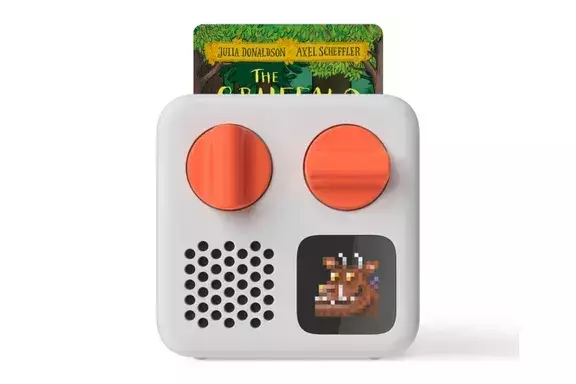
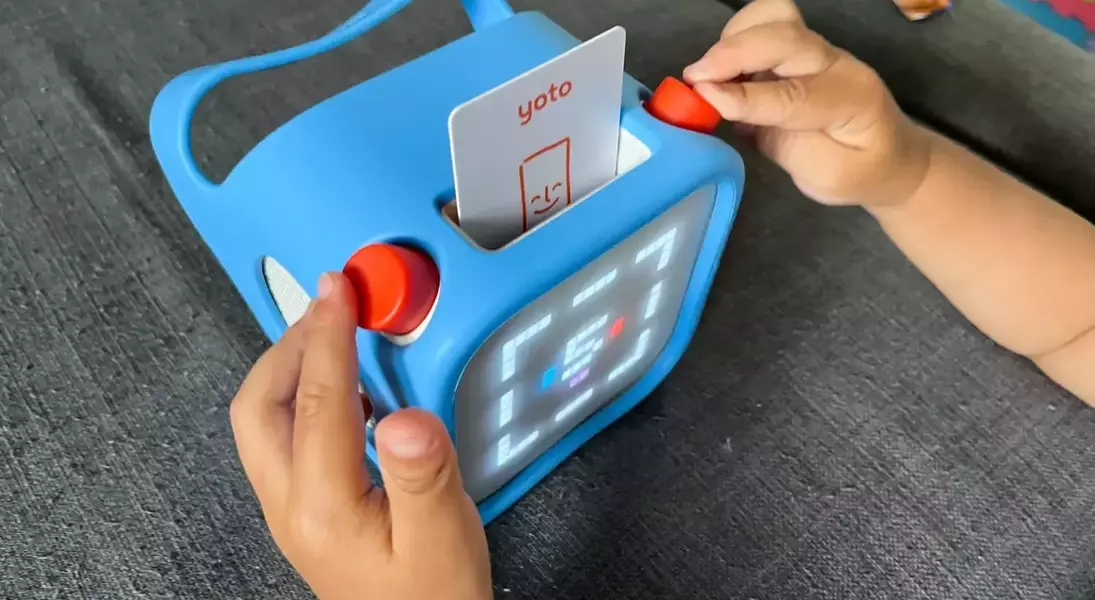
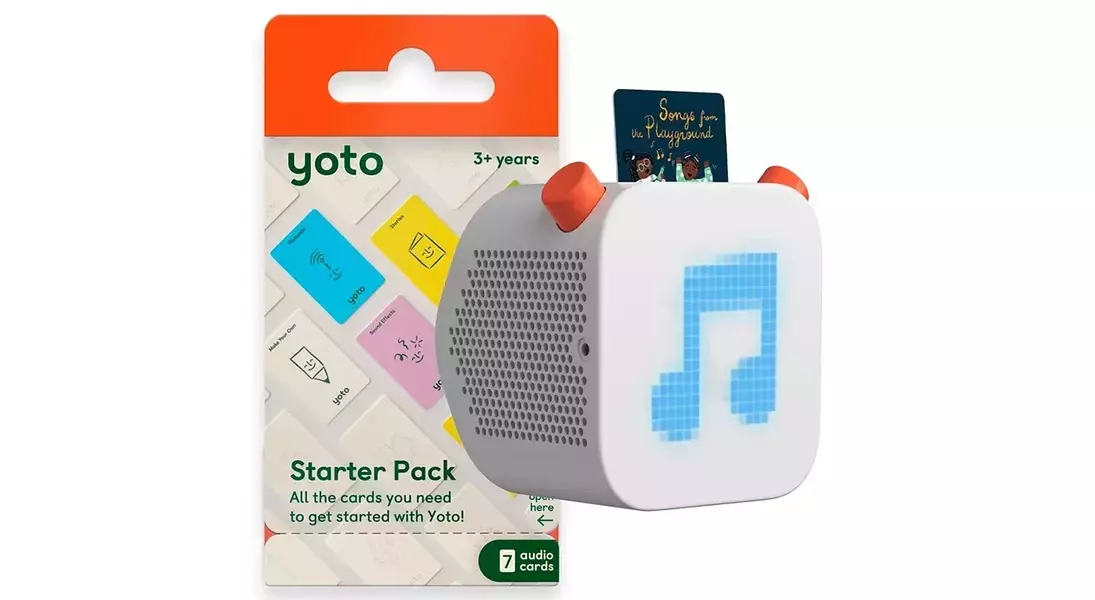
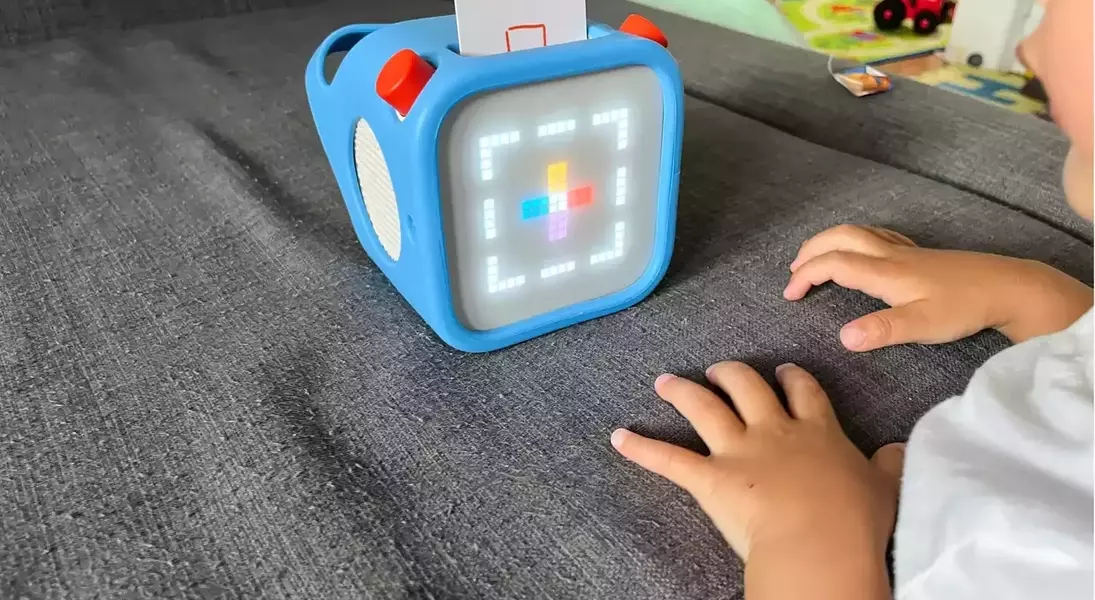
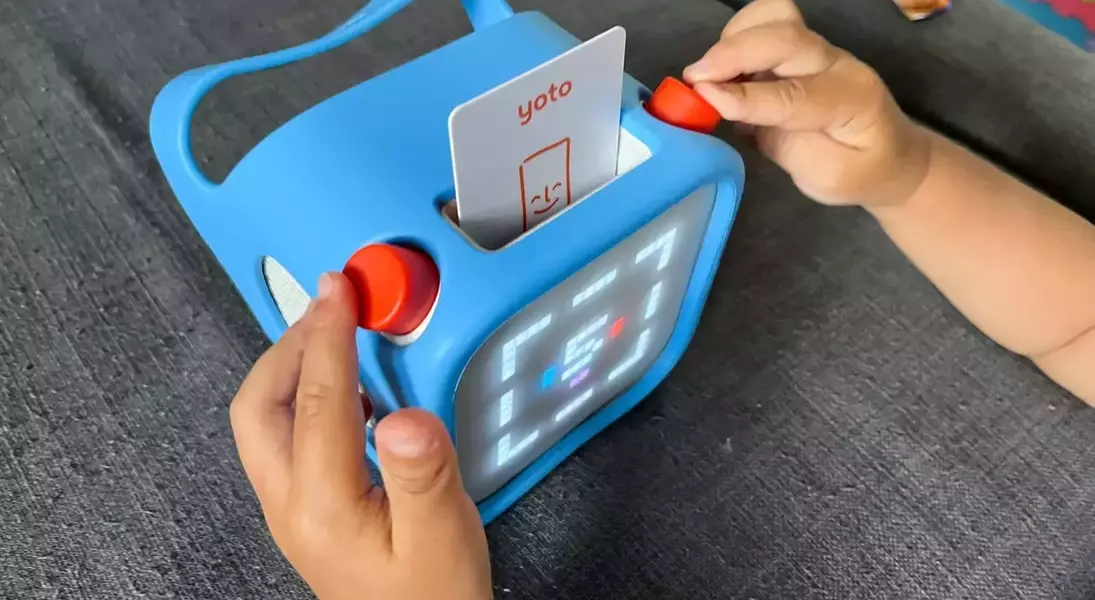
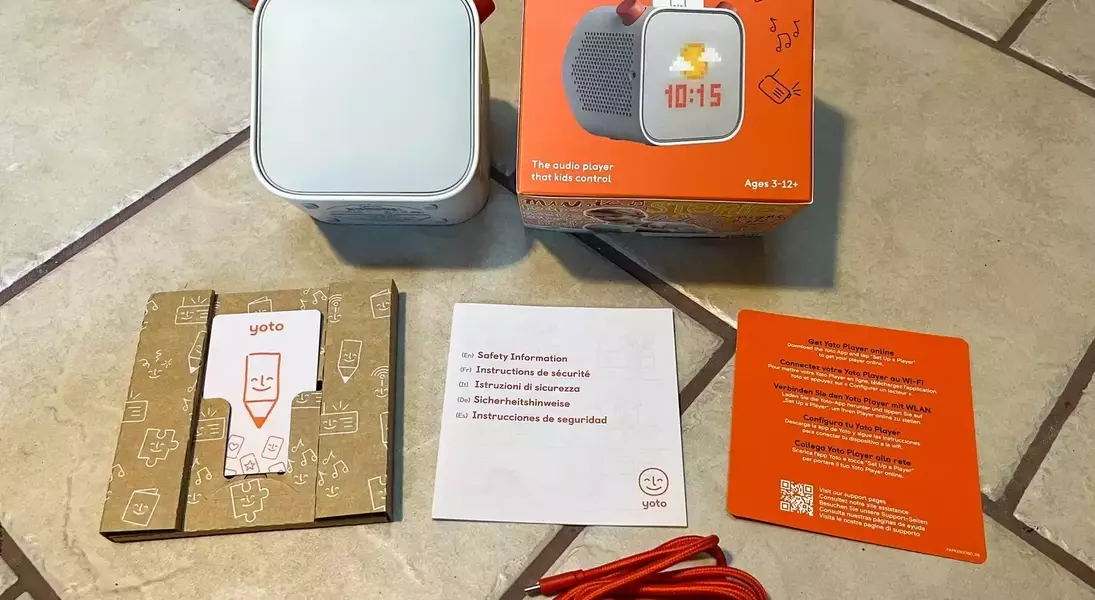
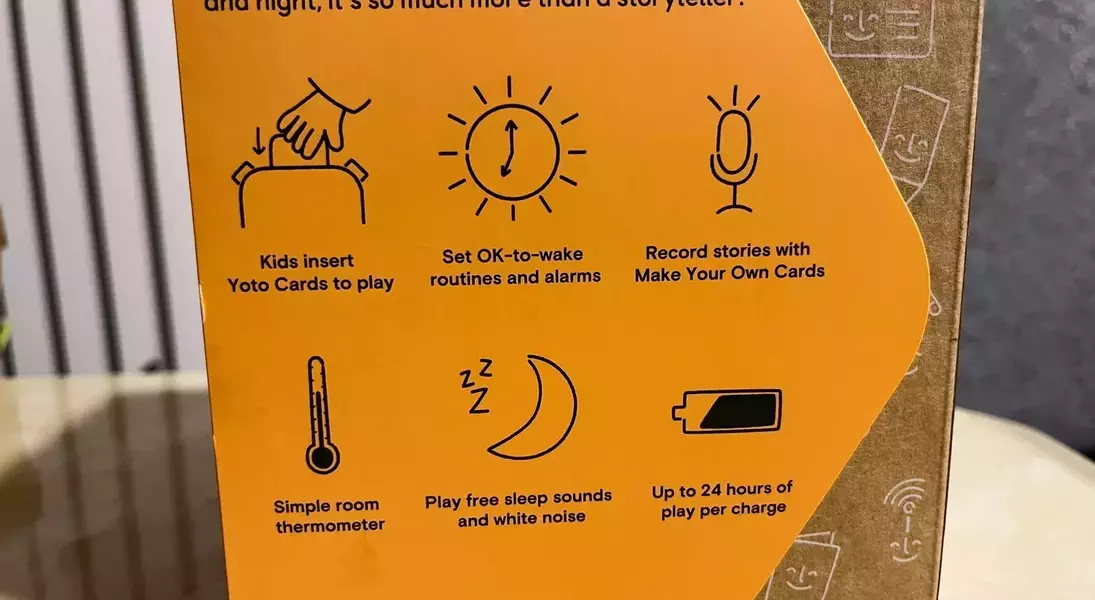
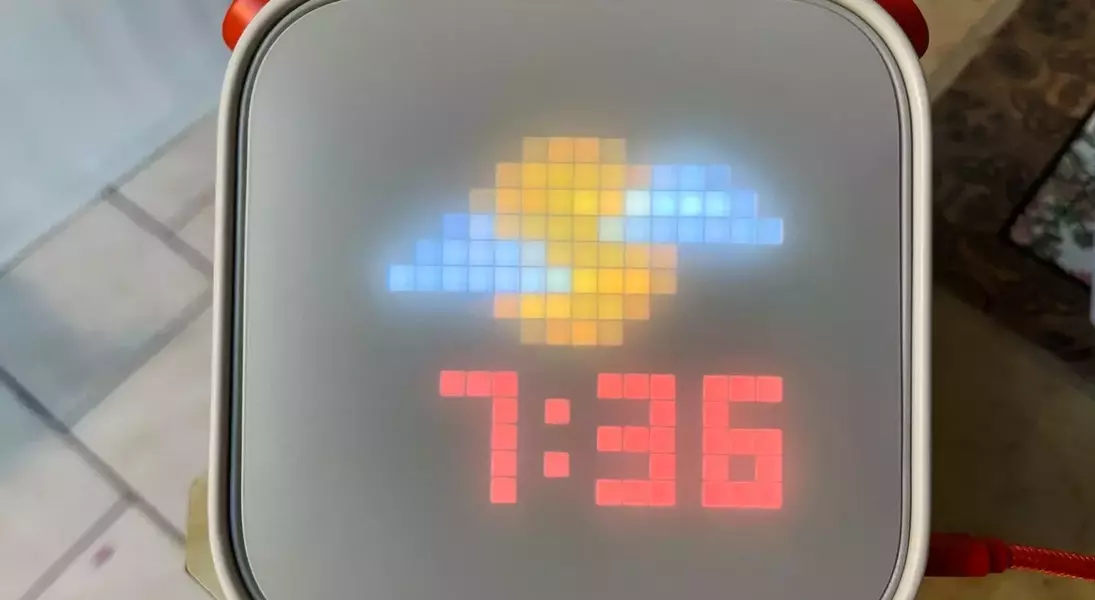
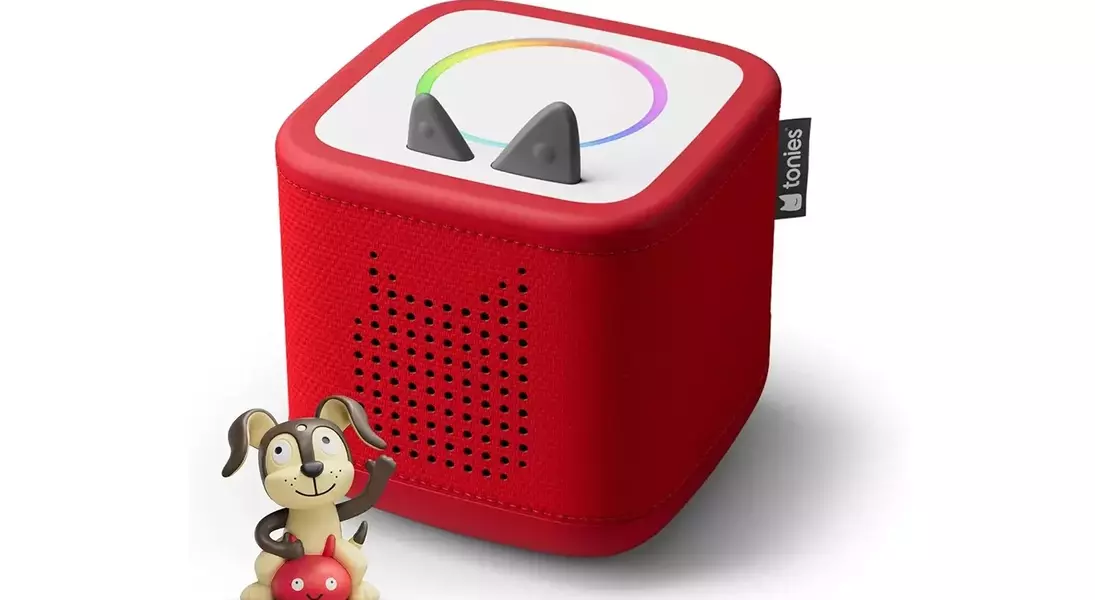
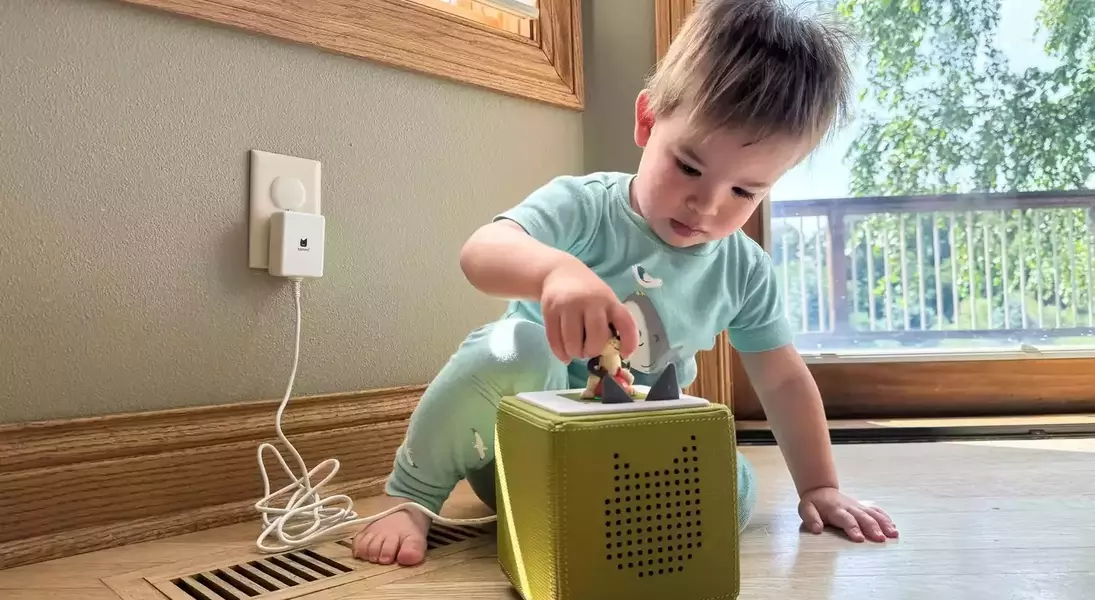
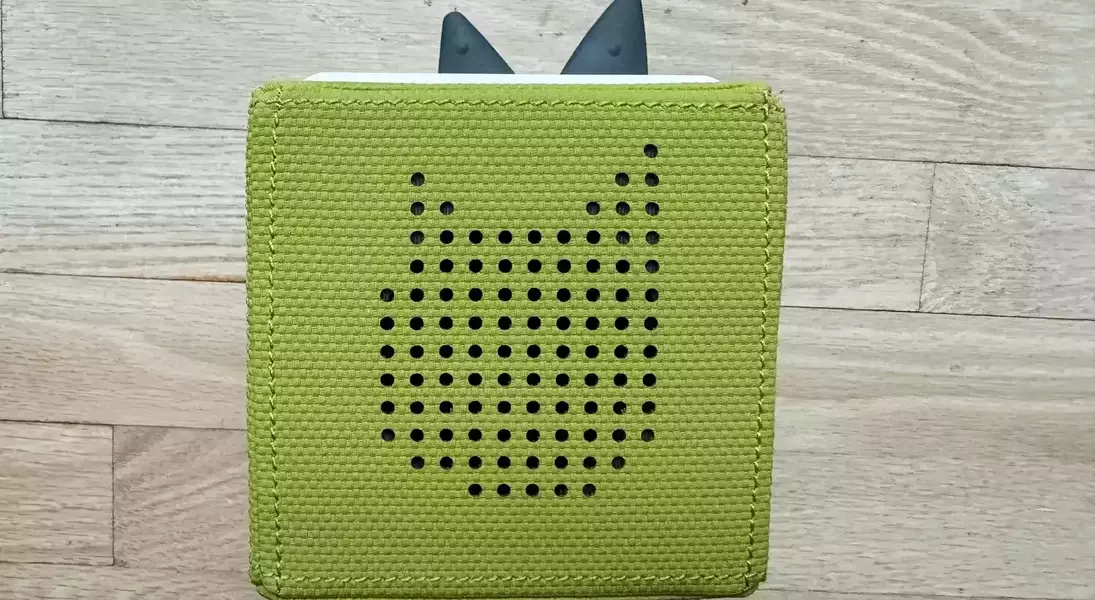
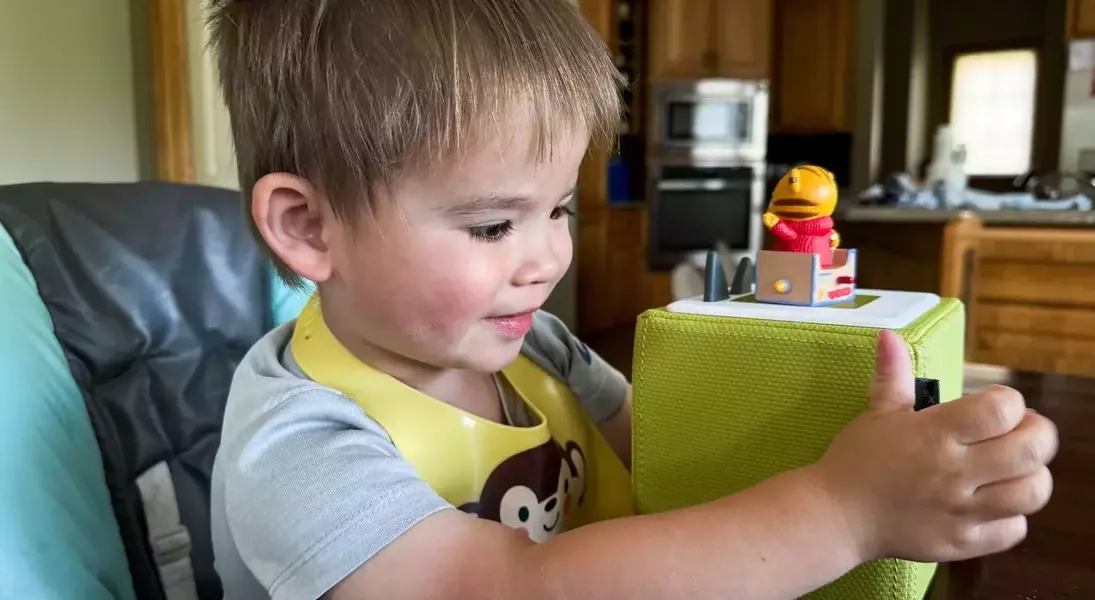
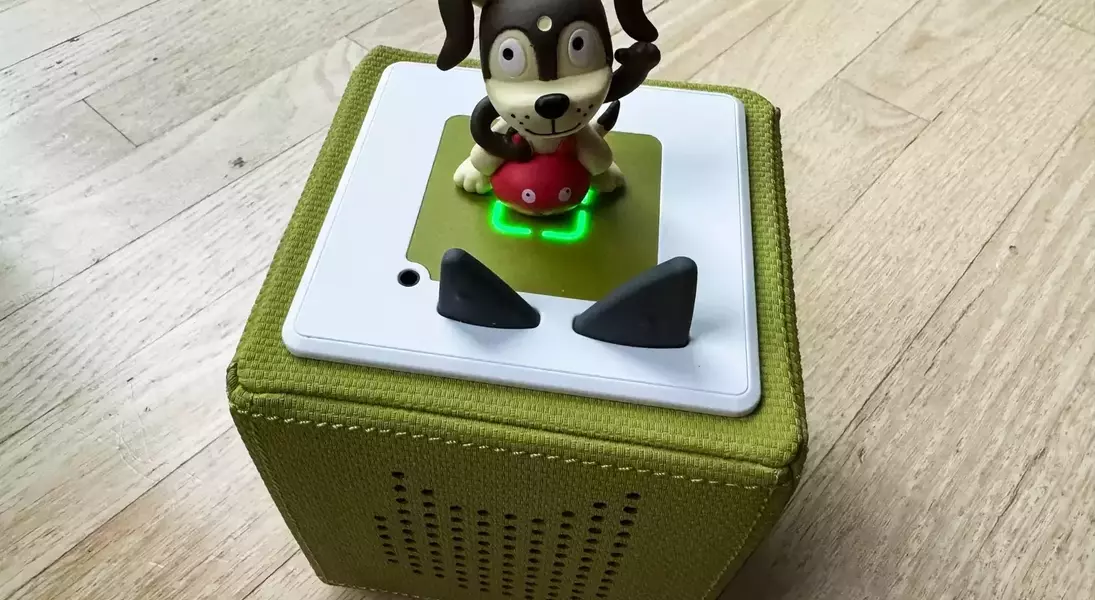
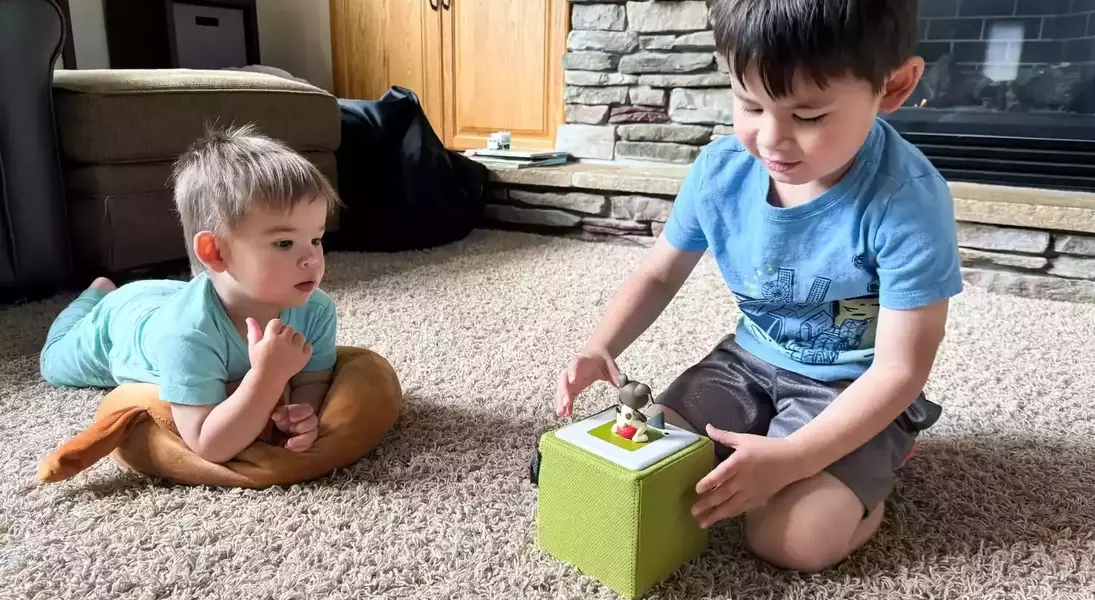
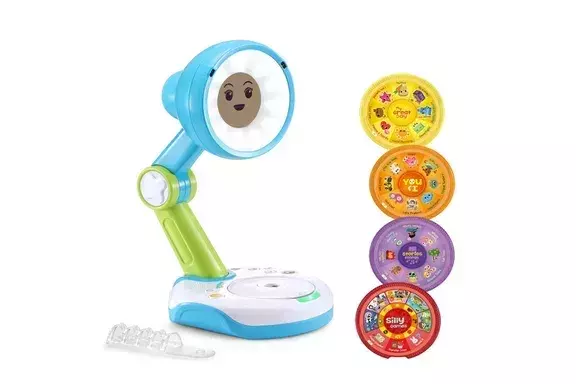
For a broad age range, certain audio players stand out for their versatility and rich content libraries. These devices allow children to explore a world of music, narratives, and spoken-word performances. They often integrate physical "cards" or "tokens" that unlock digital content, offering a tactile experience that complements the auditory one. Features like personalized content creation, built-in night lights, and temperature sensors add layers of functionality, transforming a simple player into a multi-purpose tool that supports daily routines and learning. These systems are highly regarded for their ability to captivate young minds and provide sustained engagement.
Streamlined Devices for Older Children and Tweens
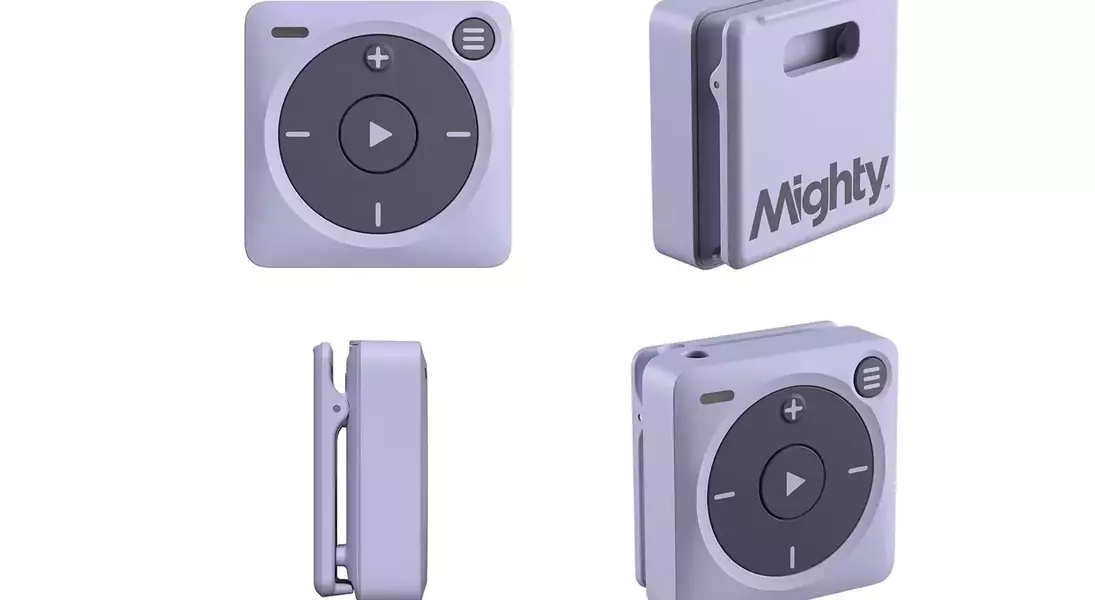
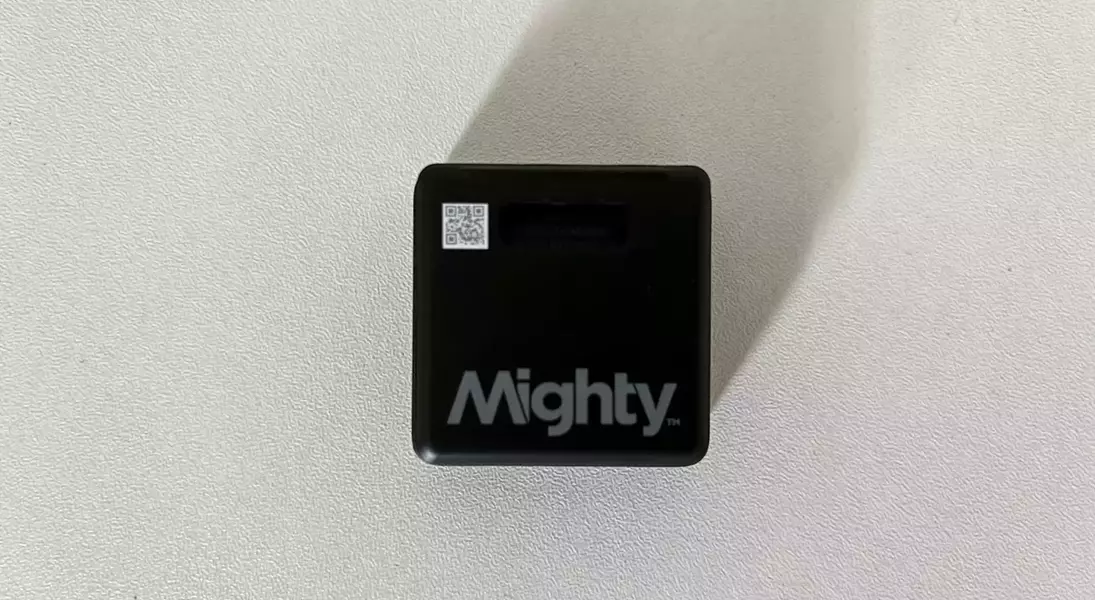
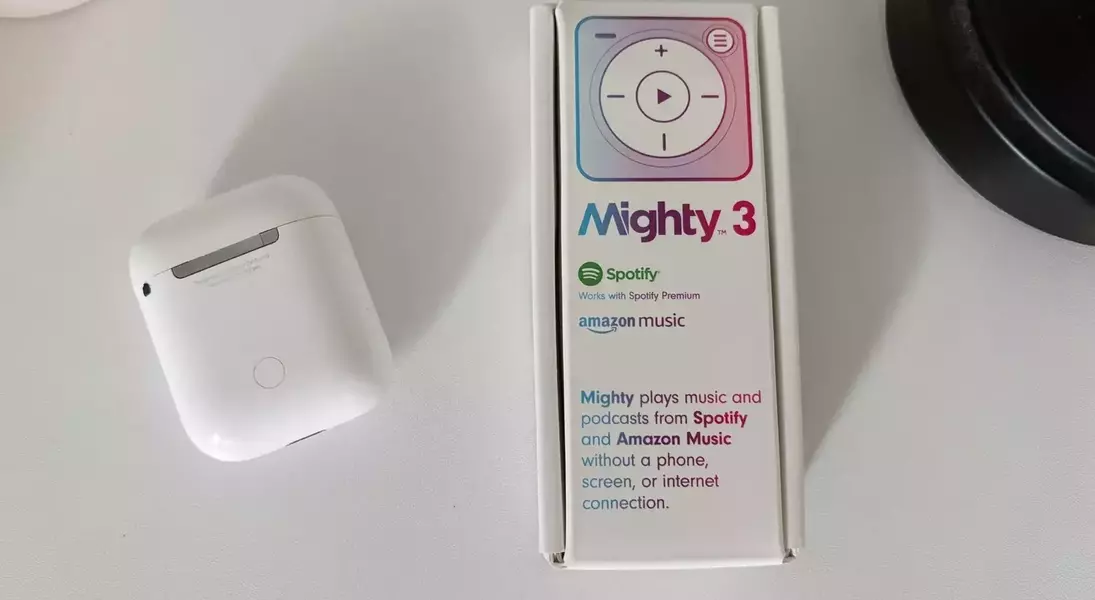
As children mature, their preferences shift towards more extensive and contemporary music options. For this demographic, compact and portable players offering vast music libraries are ideal, especially as an alternative to smartphones. Devices compatible with popular streaming services enable access to a wide array of songs, promoting musical exploration without the visual distractions of a screen. While these might lack overt parental controls, their design allows for collaborative playlist creation and indirect supervision, giving older children a sense of autonomy while still maintaining a degree of parental oversight. Compatibility with personal headphones, both wired and wireless, is a crucial consideration for privacy and listening comfort.
Voice-Activated Systems for Interactive Learning
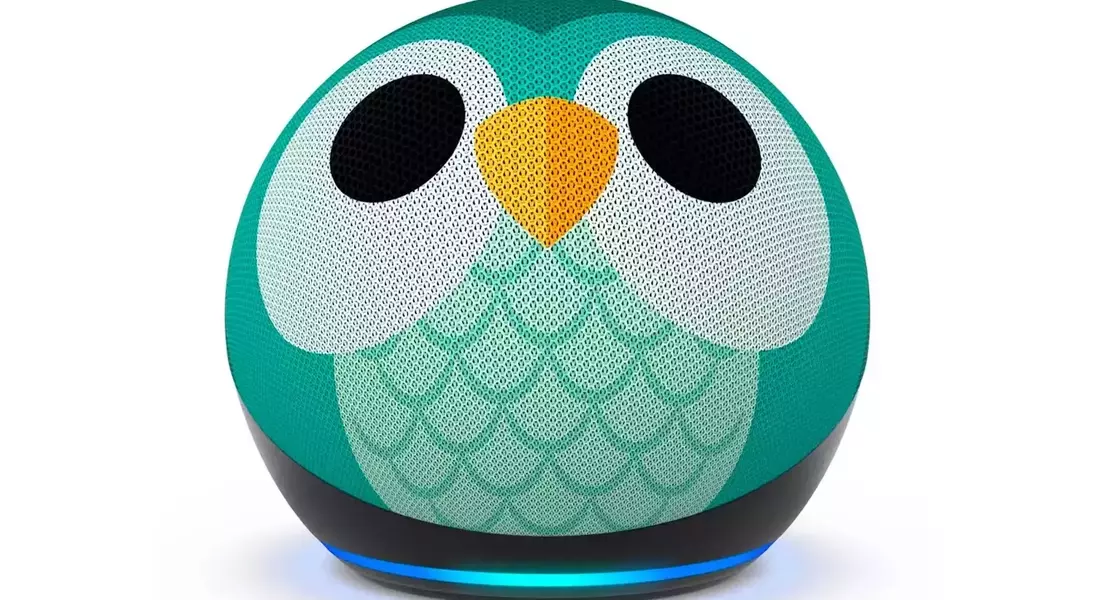
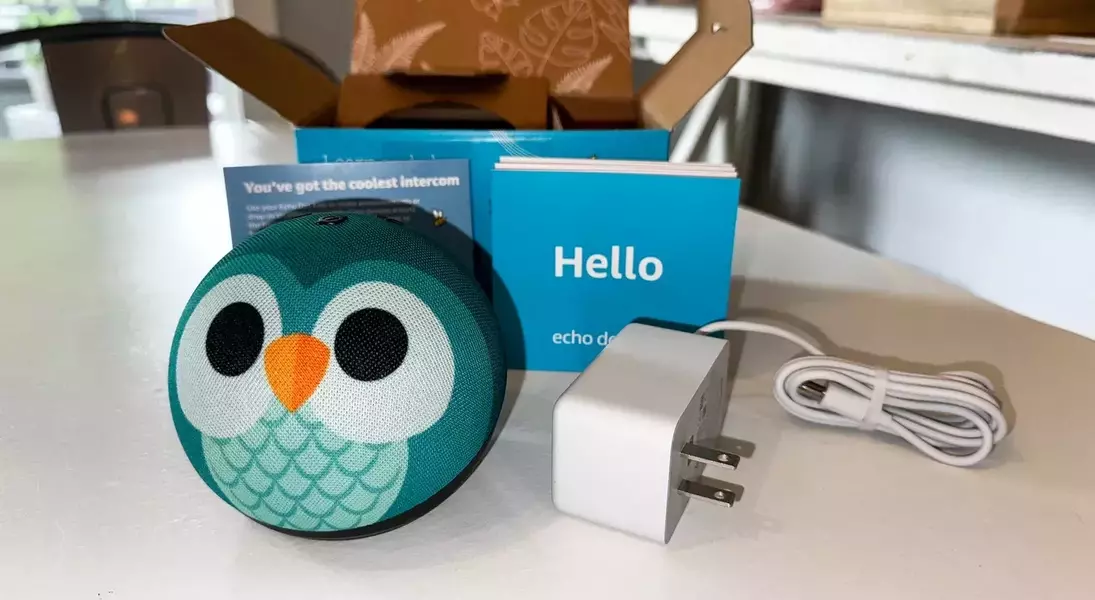
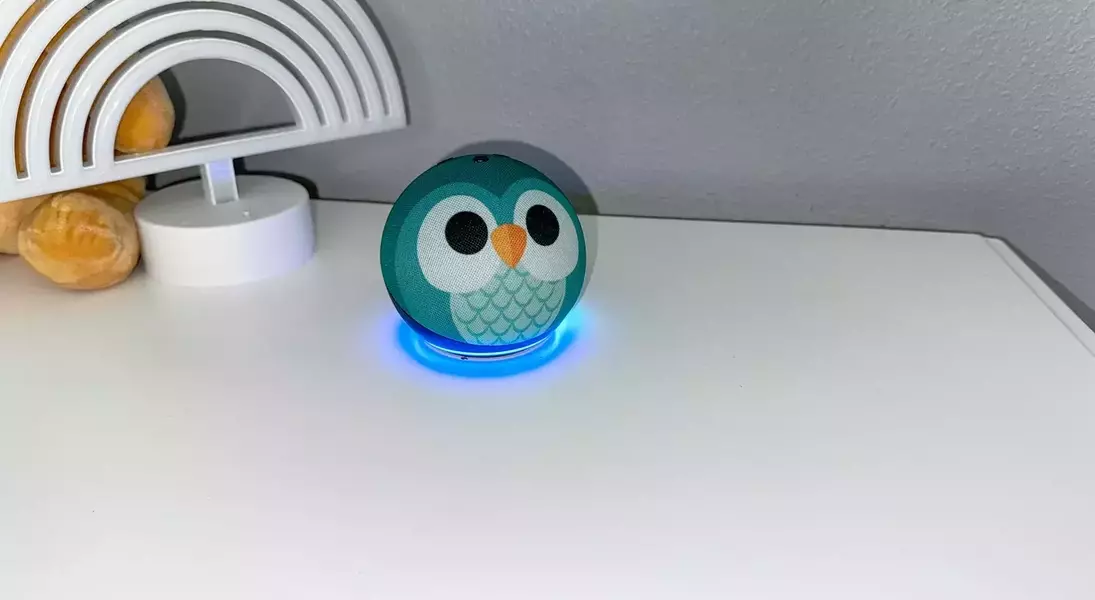
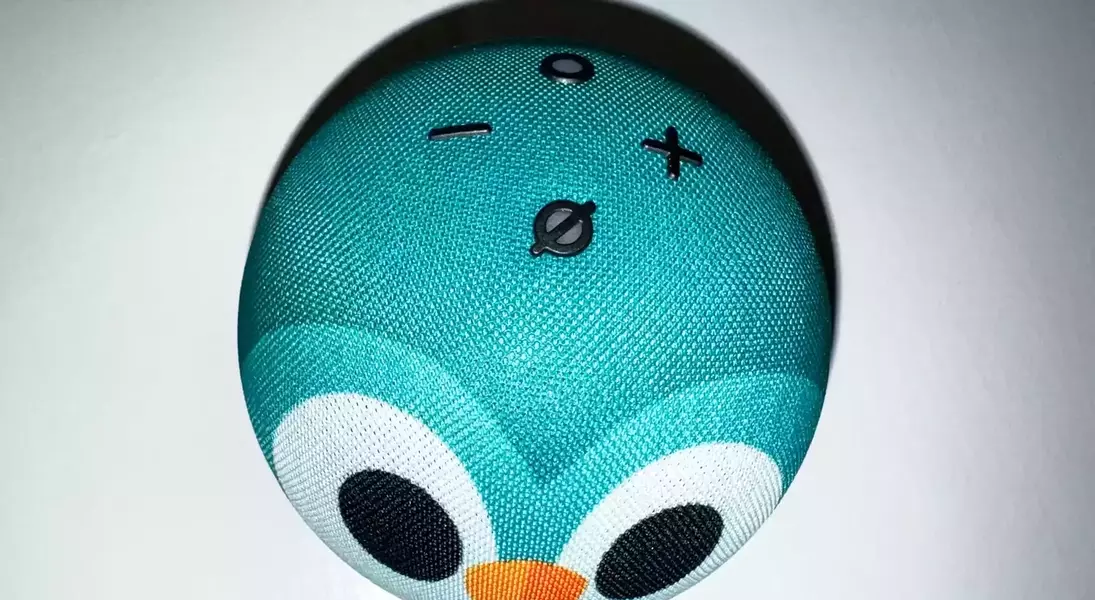
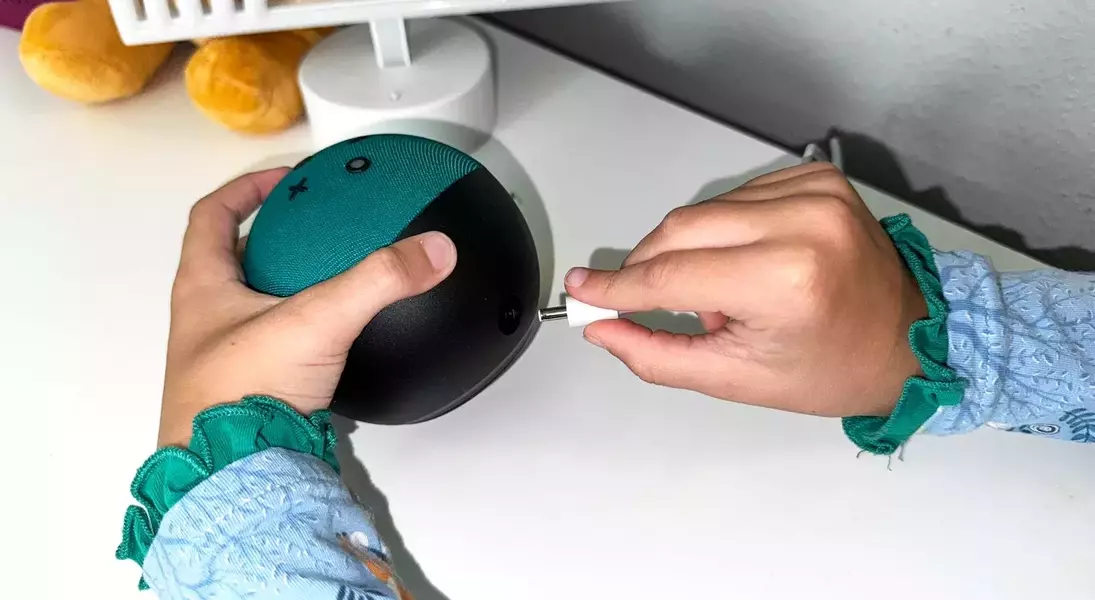
For children who are comfortable with voice commands, smart home devices adapted for kids provide an interactive gateway to entertainment and educational content. These systems leverage AI-powered assistants to deliver stories, music, and even academic support. The inclusion of parental dashboards is a significant advantage, allowing caregivers to manage daily usage limits, filter inappropriate material, and monitor activity. The evolution of these devices ensures they can grow with the child, with the ability to gradually reduce restrictions as they mature, making them a long-term investment in a child's digital literacy.
Robust and Engaging Options for Younger Children
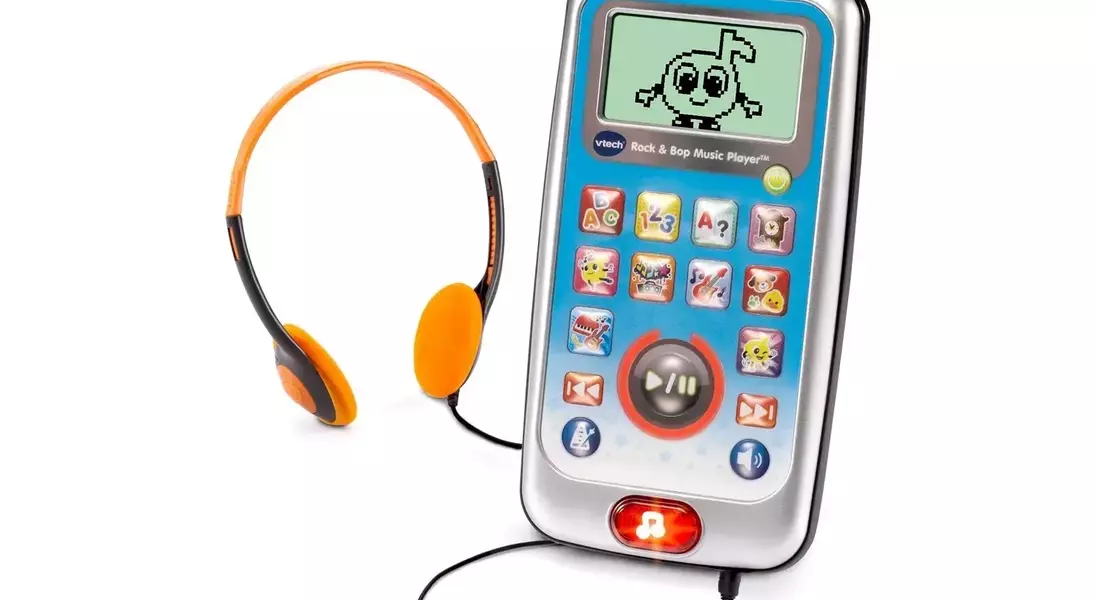
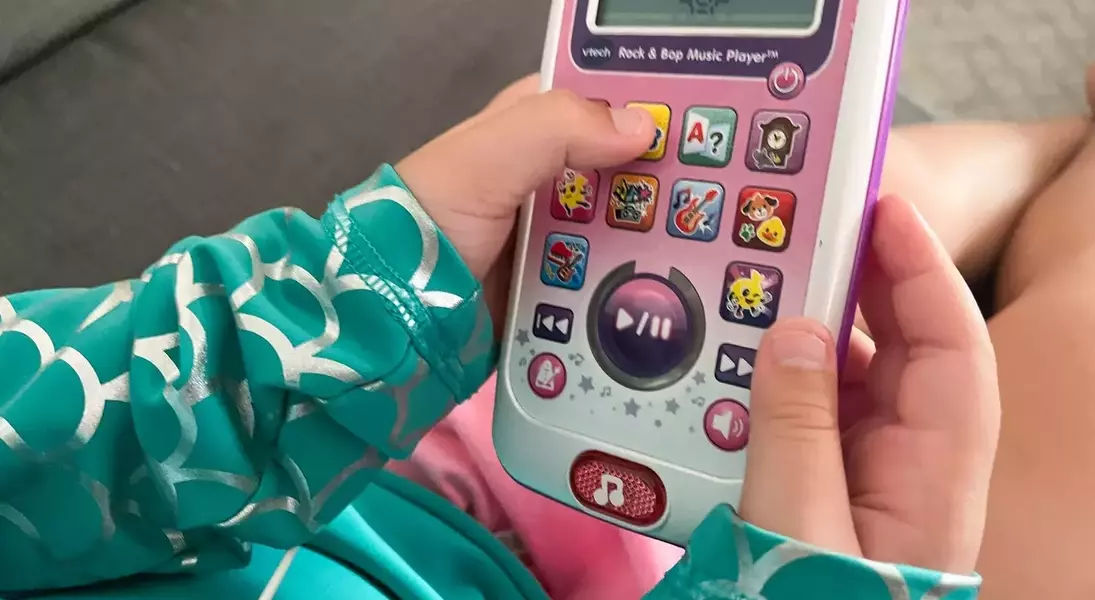
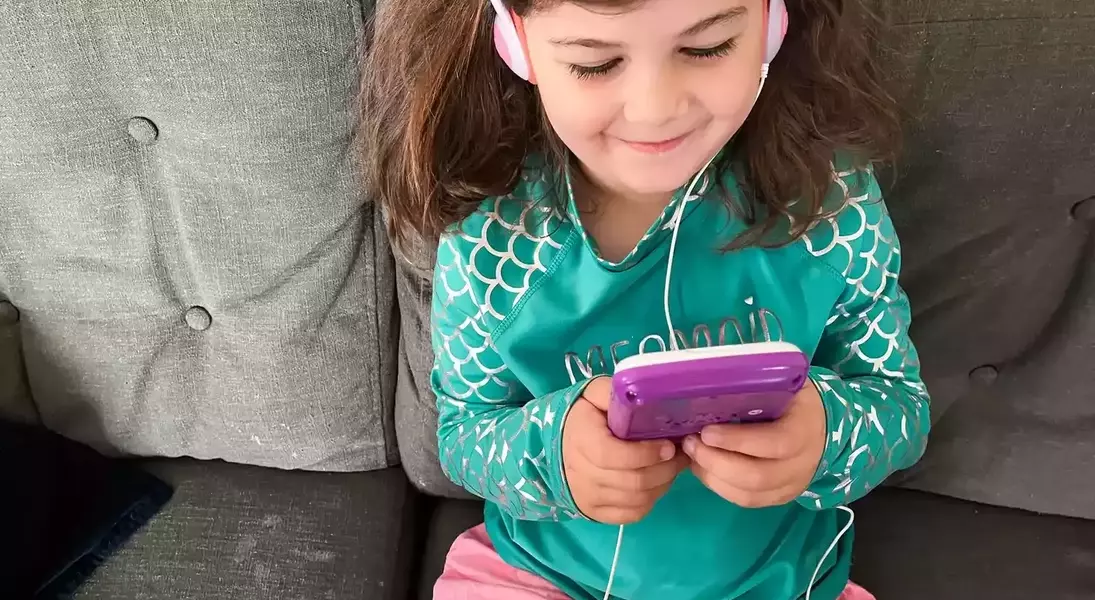
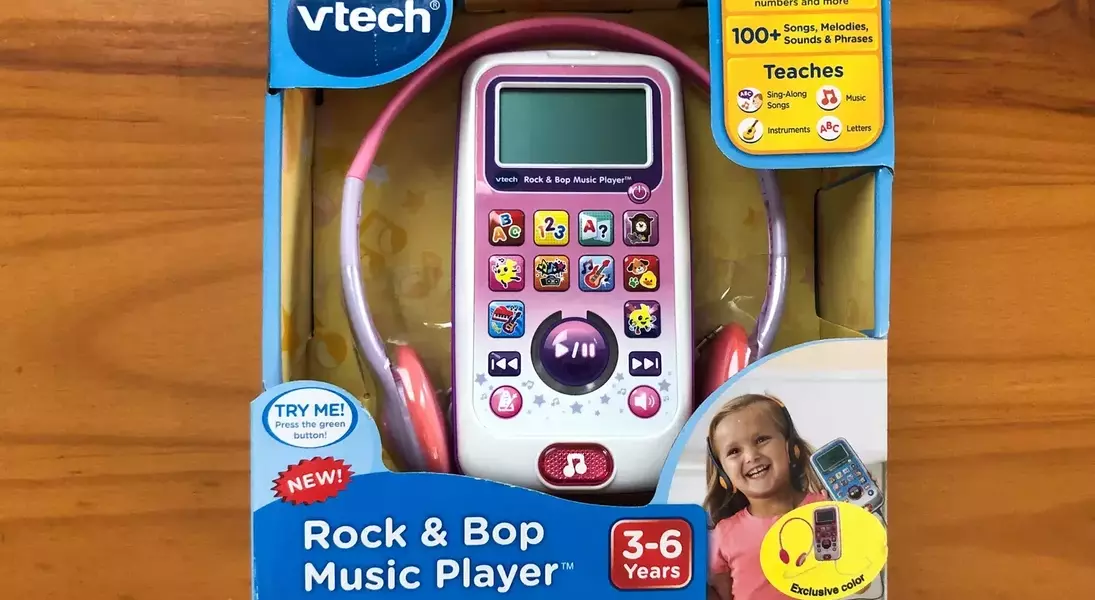
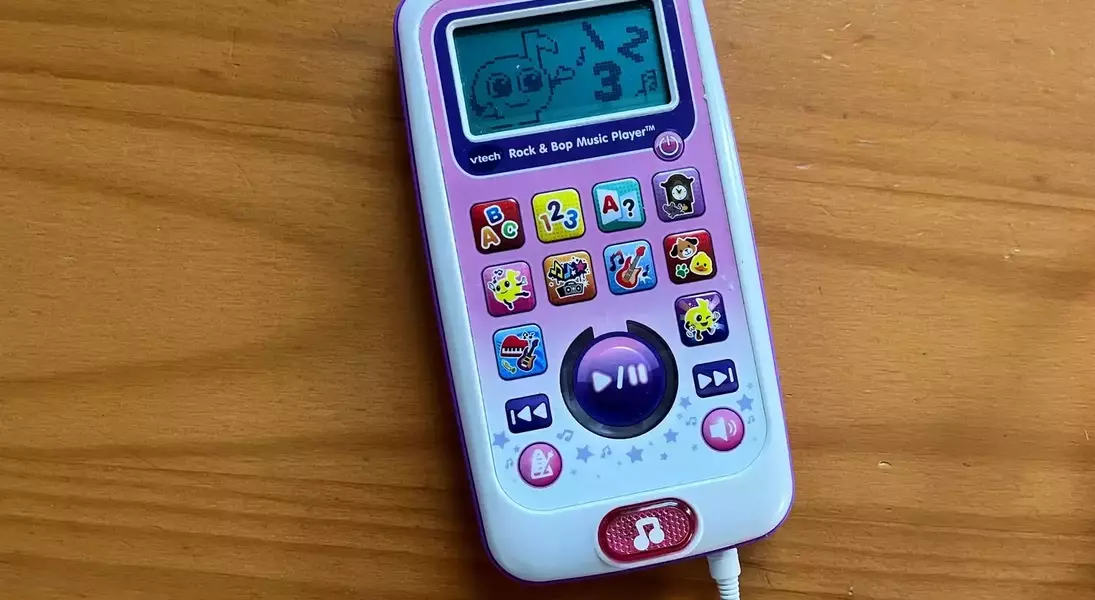
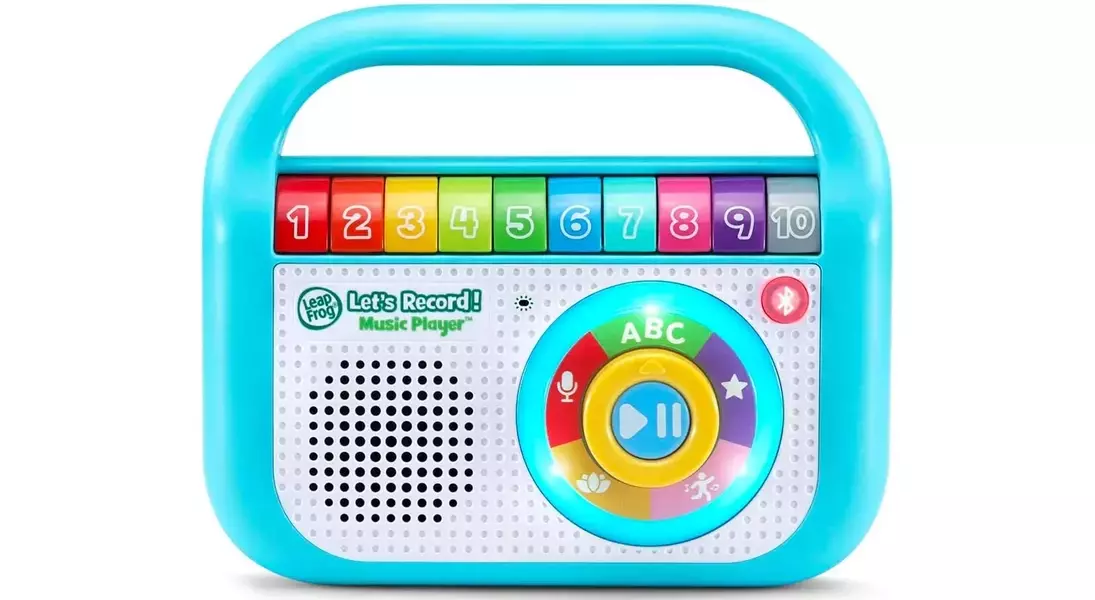
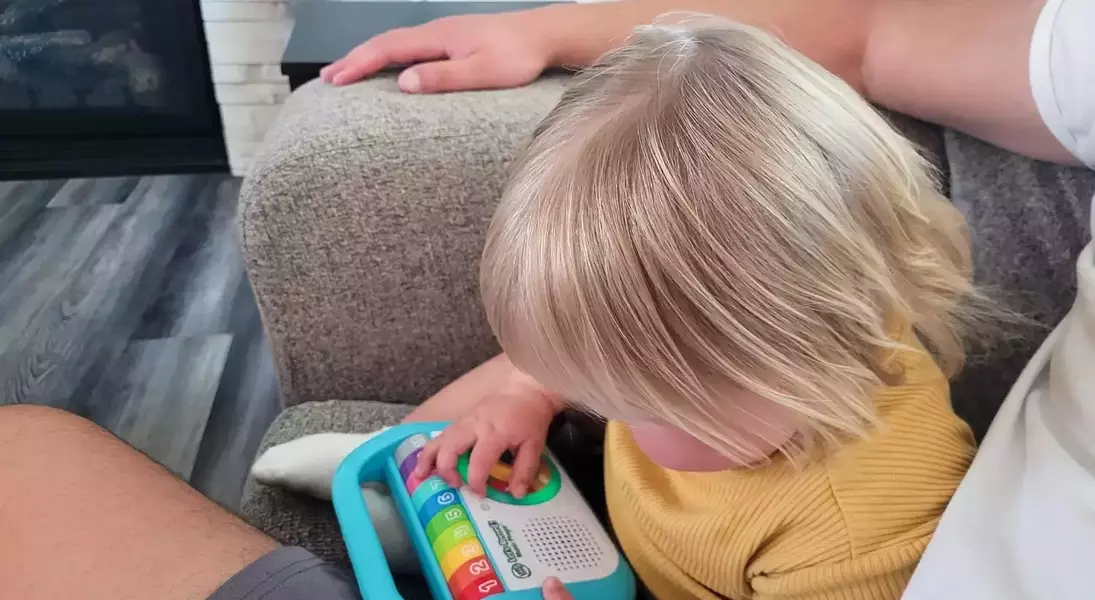
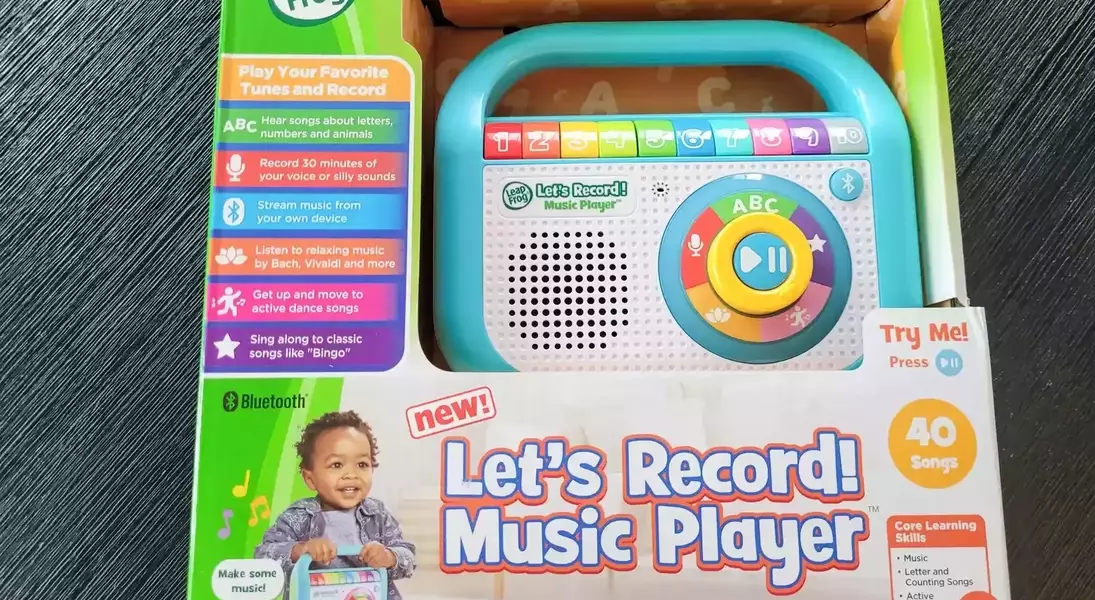
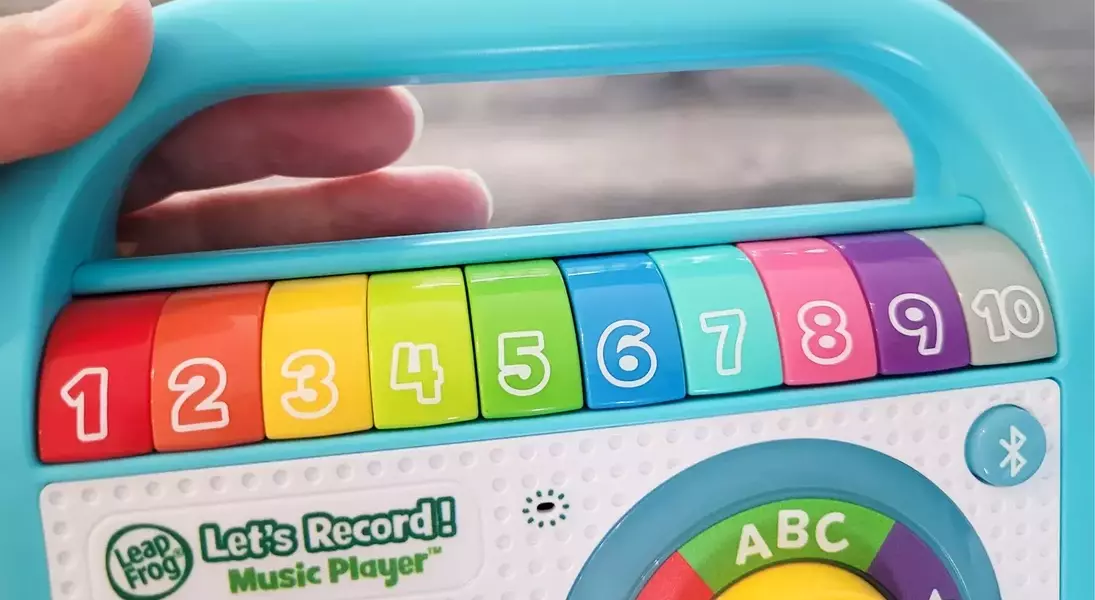
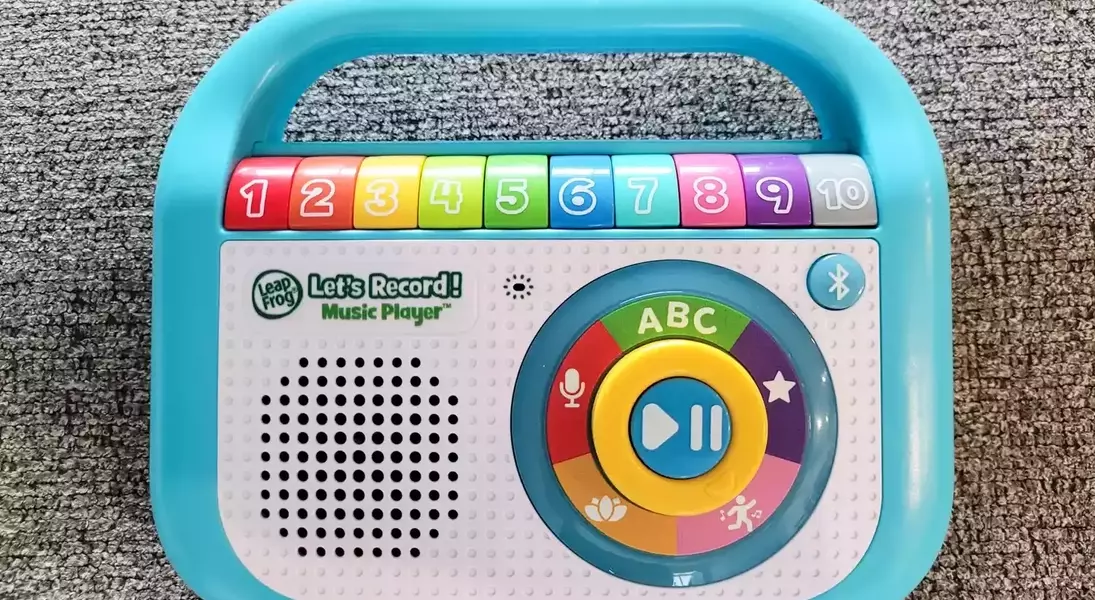
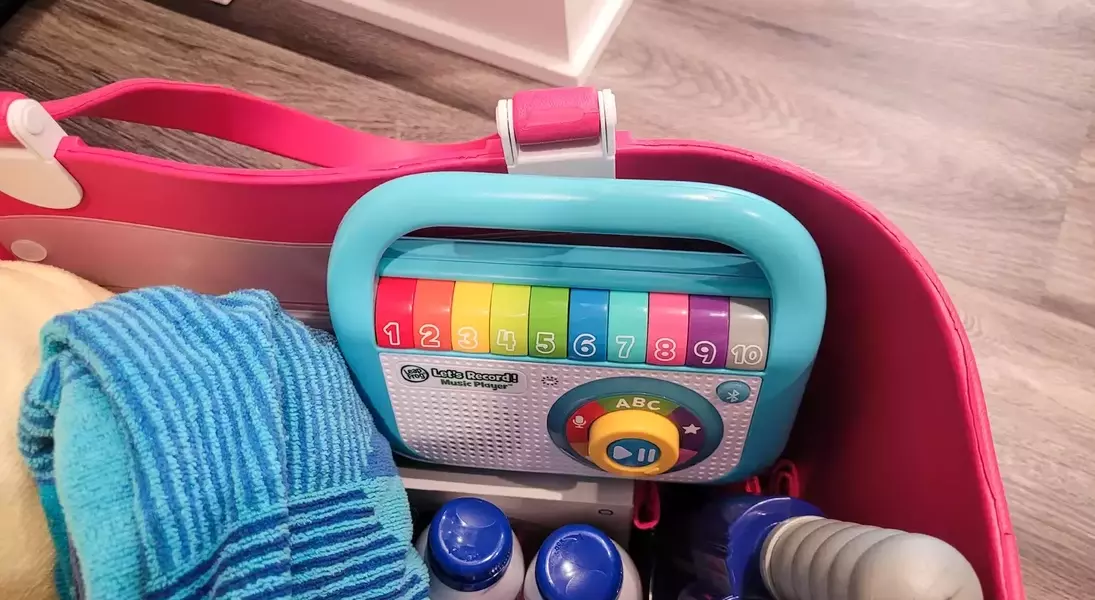
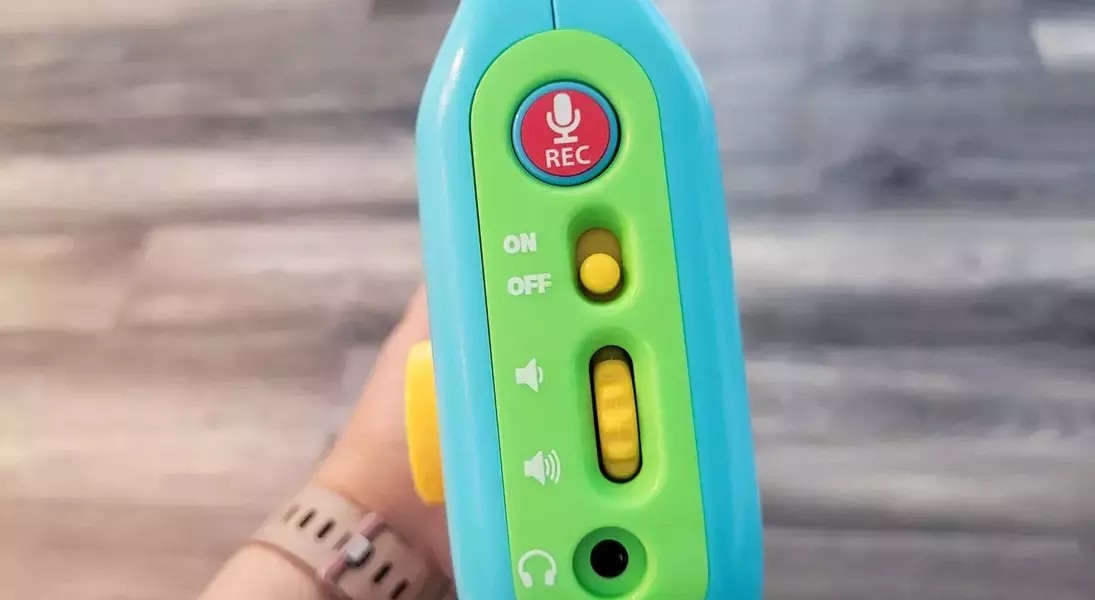
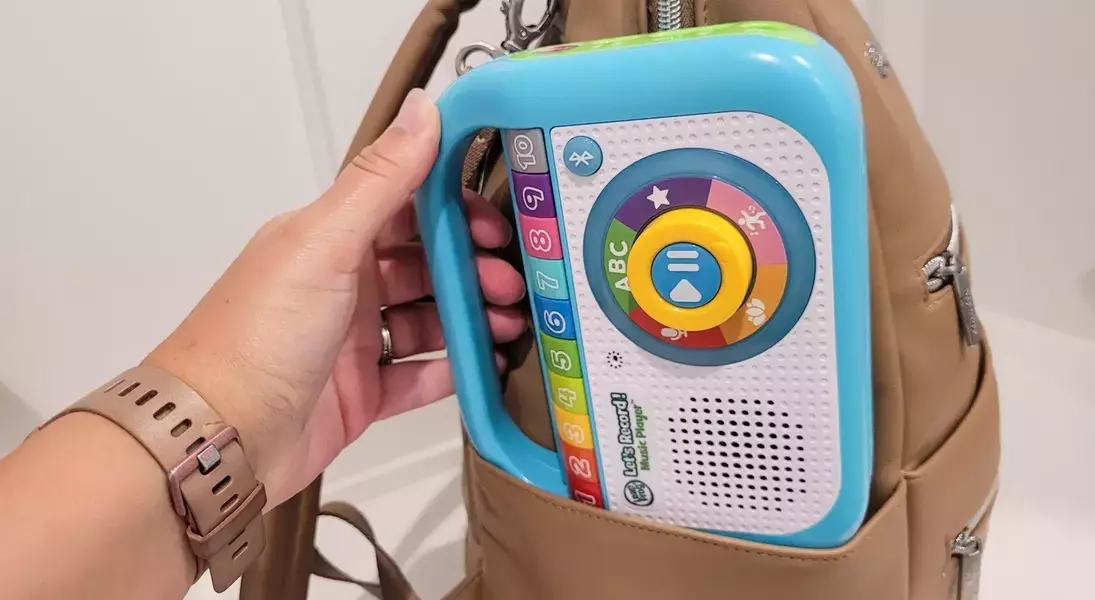
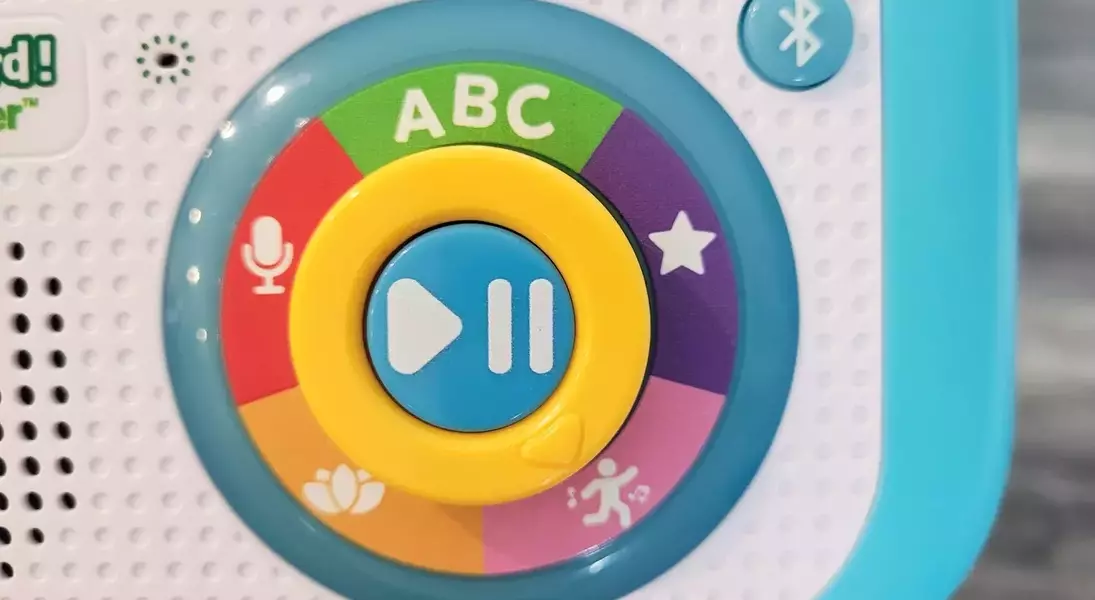
When it comes to toddlers and very young children, durability and simplicity are paramount. Portable players that are built to withstand frequent handling and accidental drops are highly sought after. These devices often feature pre-loaded songs and educational games, encouraging early learning concepts like counting and alphabet recognition. The design of their interfaces prioritizes large, easy-to-press buttons, enabling little ones to operate them independently. Some models also include child-safe, volume-controlled headphones, promoting safe listening habits from an early age. The ability to record and playback their own voices adds a personalized touch, making the experience even more engaging.
Storytelling Machines for Immersive Narrative Experiences
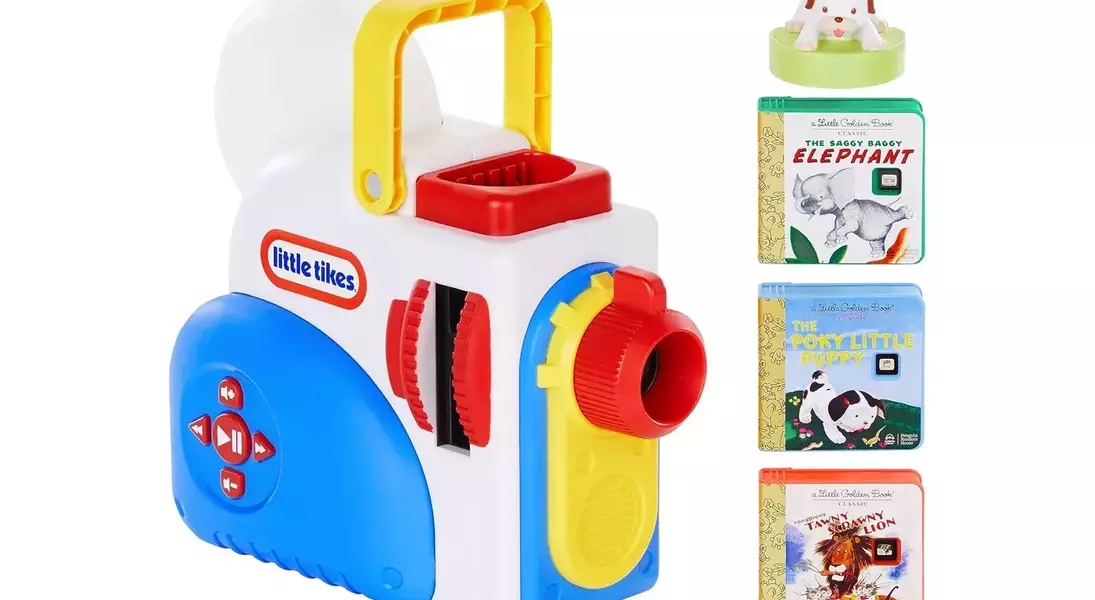
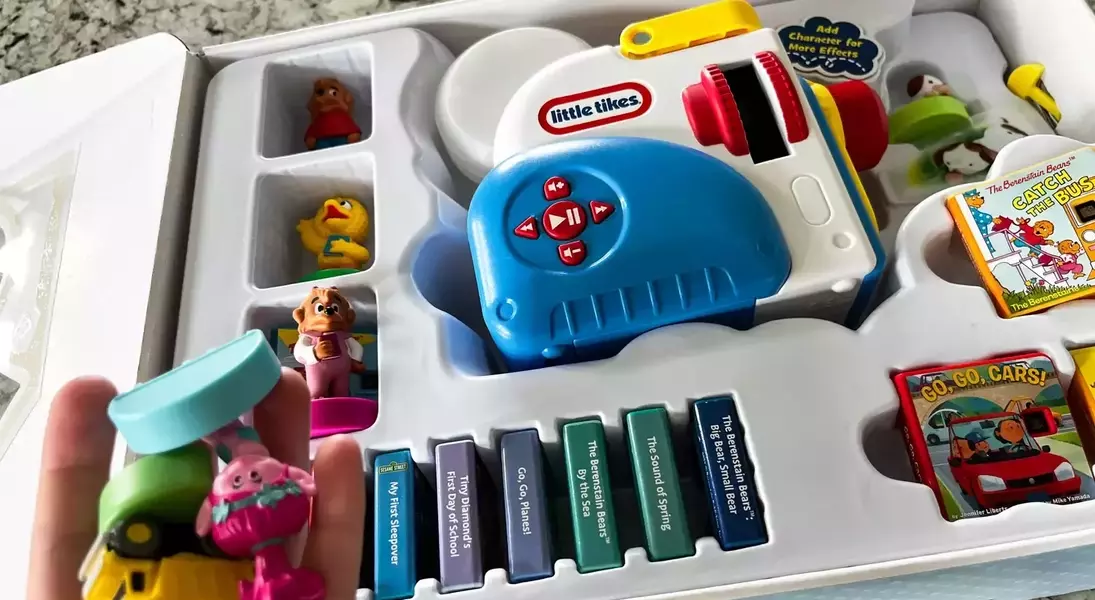
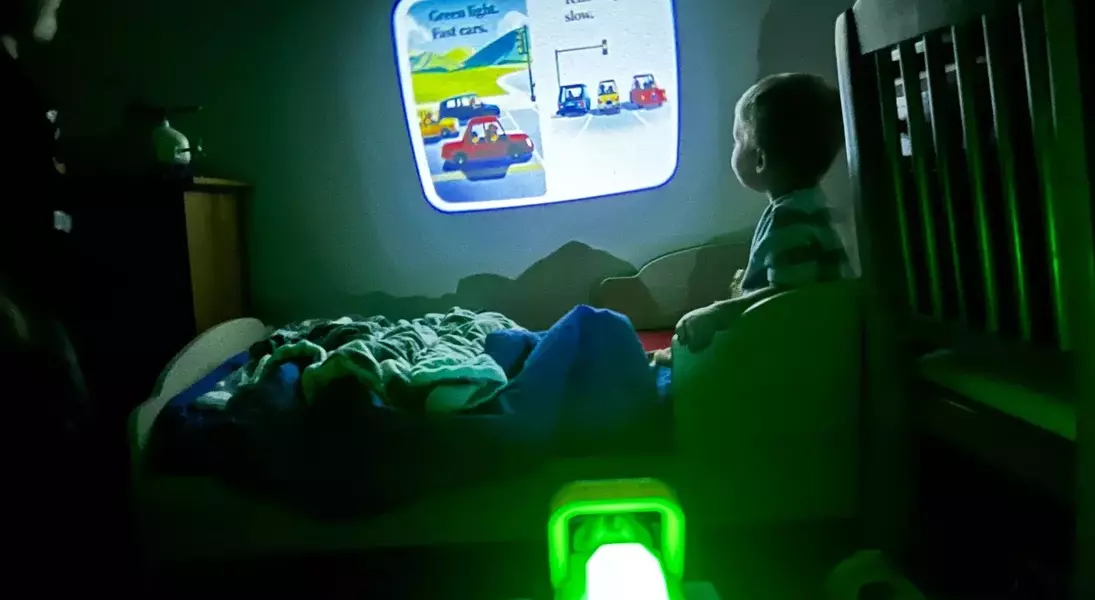
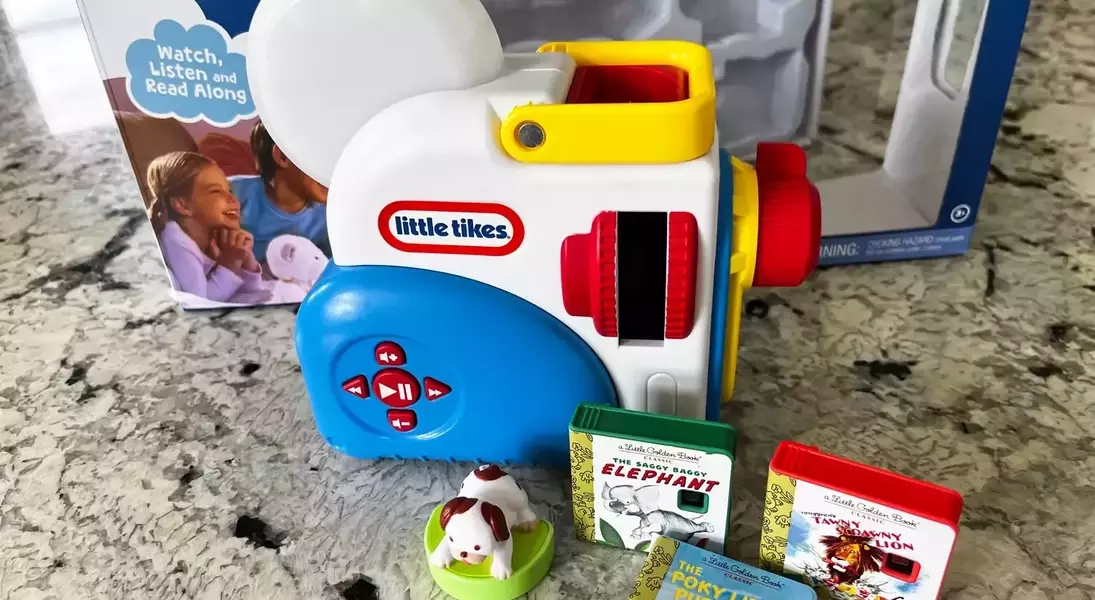
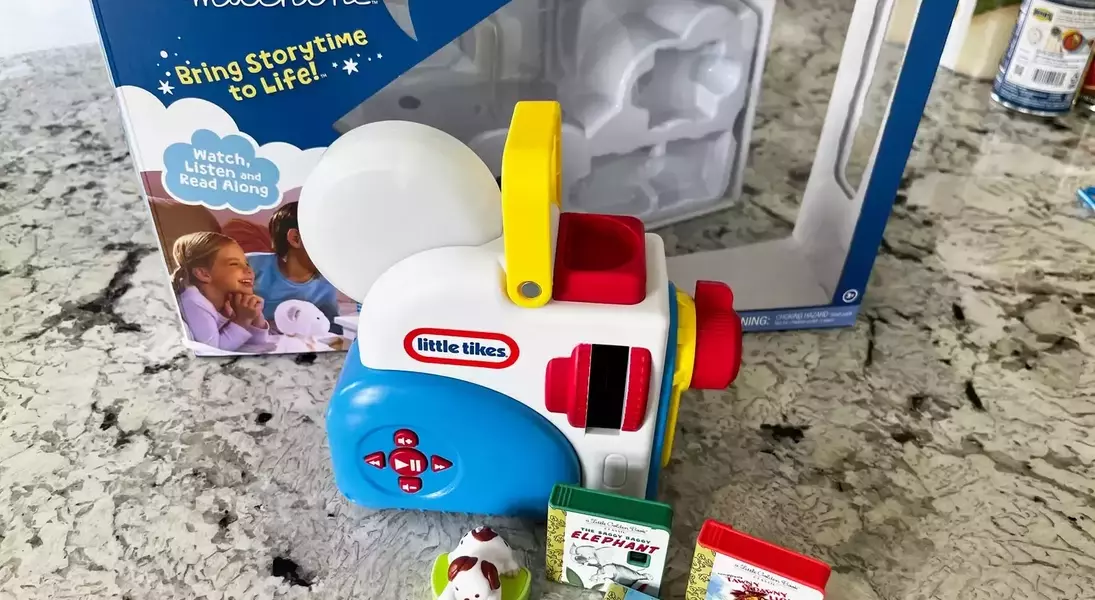
Certain innovative players specialize in bringing classic children's stories to life through unique projection and audio features. These devices project illustrations onto a wall while narrating the tale, creating an immersive bedtime or quiet time activity. Their appeal lies in blending traditional storytelling with modern technology, allowing children to follow along with the words as they listen. Such systems typically operate offline, relying on physical characters or cartridges to activate stories. They often double as night lights or white noise machines, further integrating into a child's daily routine. The tactile interaction with physical story elements encourages active participation, fostering a deeper connection to the narratives.
Interactive Audio and Gaming Platforms
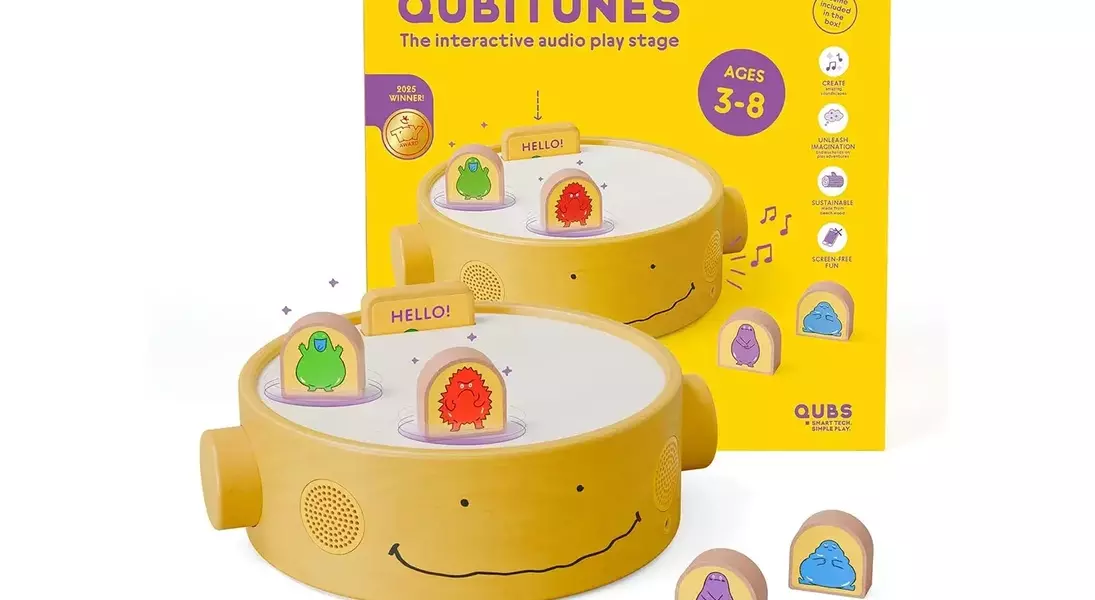
For a truly unique experience, some players combine audio entertainment with a gaming platform, all without a screen. These interactive systems use physical cartridges and figurines that children manipulate to trigger stories, music, and even audio-based games. This blend of auditory and kinetic play stimulates different senses, providing a novel way for children to engage with content. While they may have a slight learning curve due to the absence of visual cues, they encourage active listening and problem-solving, making them particularly stimulating for children ready for a more complex interactive experience.
Pondering the Digital Soundscape: Insights for Nurturing Young Minds
From a journalistic perspective, this report underscores the evolving landscape of children's entertainment, where screen-free alternatives are gaining significant traction. It highlights a vital shift towards nurturing imagination and auditory development, rather than relying solely on visual stimuli. The emphasis on parental controls and hearing safety also reflects a growing awareness among manufacturers and consumers about responsible technology use from an early age. This move benefits not only children's cognitive and emotional well-being but also offers parents a refreshing avenue for managing screen time effectively, promoting a healthier, more balanced childhood experience. This comprehensive overview provides valuable insights for families navigating the vast array of options available, ensuring that entertainment choices contribute positively to a child's holistic growth.
