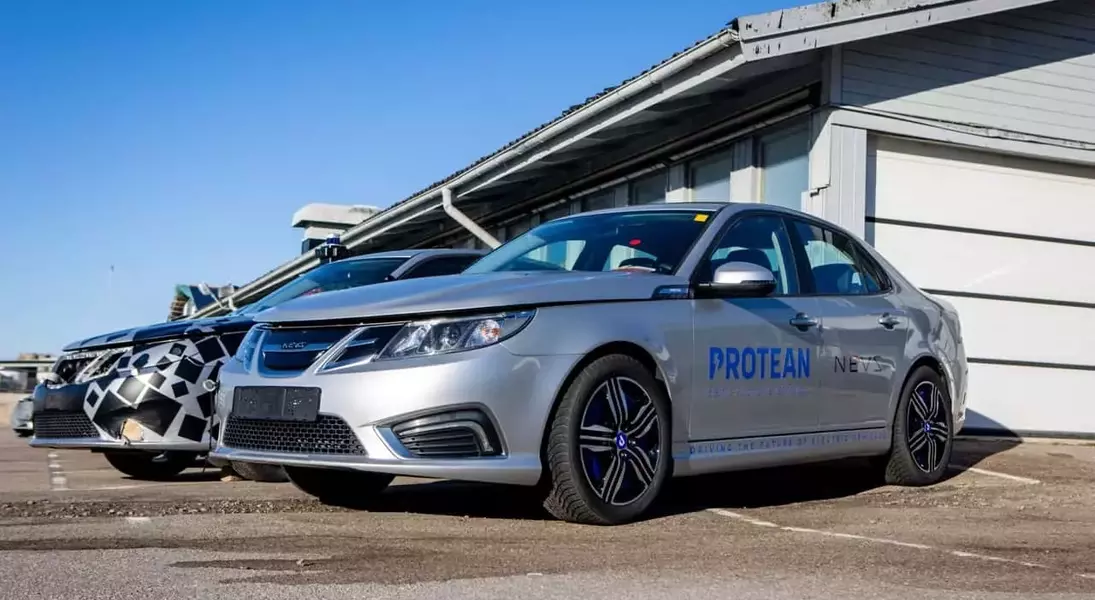

The final vehicles from the defunct Swedish automaker Saab, including an array of 9-3 models and a single Hengchi 5 SUV, are being put up for auction. This event follows the official bankruptcy of NEVS, the company that acquired Saab's assets after its 2012 collapse. This sale offers a poignant closing chapter to Saab's long and storied history, providing a rare opportunity for collectors and enthusiasts to own a tangible piece of the brand's legacy. The auction will run from May 21 to May 30, coinciding with a public opening of the legendary Trollhättan factory, allowing fans a final glimpse into Saab's former home.
Saab's journey began in 1947 as an aircraft manufacturer venturing into automobile production, a venture that saw decades of distinctive design and engineering. However, the company faced significant financial turbulence, particularly during the Great Recession, ultimately leading to General Motors selling its stake to Spyker. Spyker's subsequent collapse paved the way for NEVS's acquisition, which, despite efforts to revive the brand with electric vehicle projects, also eventually succumbed to financial difficulties, culminating in this final auction of its remaining assets.
The Final Collection: Saab Prototypes and Rare Models
The upcoming auction features a remarkable collection of the last vehicles to emerge from Saab's storied factory in Trollhättan, Sweden. Among the eight vehicles available, seven are Saab 9-3 models, primarily consisting of pre-production and prototype cars that never reached full-scale manufacturing. These include four pre-production models from 2014, two of which are Aero variants, and an electric prototype equipped with a range extender. Additionally, three 9-3 prototypes from 2018 are part of the sale: a China-built NEVS electric 9-3, a prototype featuring an advanced four-in-wheel motor system, and a cutting-edge autonomous development vehicle outfitted with GPS, LIDAR, and cameras for advanced navigation research. This unique assortment represents the very last efforts to innovate under the Saab name before its definitive cessation.
These vehicles are not merely cars but artifacts of a brand's ambitious final chapter. The electric prototype with a range extender hints at Saab's forward-thinking approach to sustainable mobility, while the autonomous development vehicle underscores its foray into future driving technologies. The four-in-wheel motor prototype showcases experimental engineering that pushed the boundaries of automotive design. The auction also includes a Hengchi 5, a mid-size electric SUV produced by Evergrande, the Chinese conglomerate that briefly supported NEVS. This diverse collection provides a unique window into the varied developmental paths taken during Saab's twilight years, appealing to both historical archivists and technology enthusiasts.
Saab's Enduring Legacy and Final Farewell
The auction of these last Saab vehicles marks the definitive end of an era for a brand that, for nearly 80 years, symbolized innovation, safety, and a distinct Scandinavian design philosophy. Saab, originally an aircraft manufacturer, first entered the automotive scene in 1947, quickly establishing a reputation for its unique engineering and unconventional designs. Its journey included a significant partnership with General Motors, which initially acquired a 50-percent stake in 1989, later taking full ownership in 2000. However, the global financial crisis and GM's own bankruptcy led to the sale of Saab to Spyker, a Dutch sports car manufacturer, in 2010. This transition proved unstable, with Spyker collapsing just two years later, leading to the acquisition of Saab's remaining assets by National Electric Vehicle Sweden (NEVS) in 2012.
NEVS attempted to revitalize the brand by focusing on electric vehicles, but persistent financial challenges and eventual ownership by the Chinese real estate giant Evergrande did not stem the tide of its decline. This final auction of the vehicles remaining at the Trollhättan factory is a bittersweet moment, concluding a long and complex history filled with engineering marvels and financial struggles. For many, Saab represented more than just cars; it was a cultural icon known for its passionate owners and distinctive approach to automotive design. The factory opening to the public for the auction period underscores the brand's lasting impact and the emotional connection it forged with enthusiasts worldwide, allowing a final homage to its significant contributions to automotive history.
