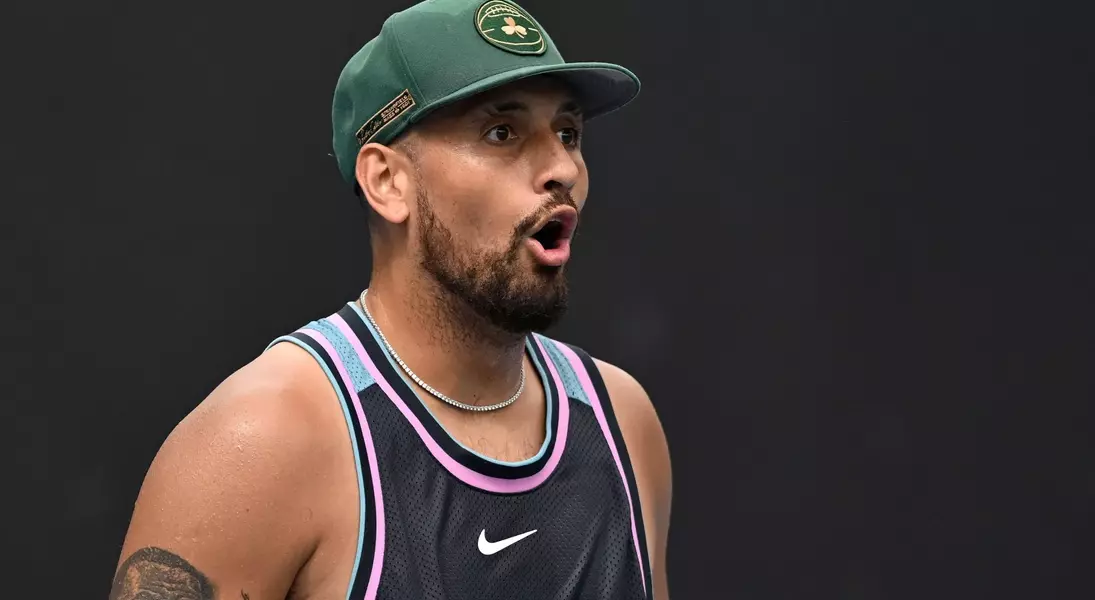
Australian tennis sensation Nick Kyrgios recently expressed strong opinions regarding his exclusion from the BBC's Wimbledon broadcasting team, asserting that the British broadcaster stands to lose more from this decision than he does. Kyrgios, known for his unconventional style and candid remarks both on and off the court, was originally slated to join the panel for the Grand Slam event commencing on June 30th. However, reports from the English media, specifically The Telegraph, on June 10th indicated that the BBC had decided against including him, a move reportedly prompted by public criticism following his admission of assaulting a former partner.
Despite the lack of an official statement from the BBC concerning his absence, Kyrgios openly discussed the matter with The Guardian. He subtly criticized the network's choice, suggesting that his unique perspective and experience, having defeated prominent figures in tennis such as Roger Federer, Rafael Nadal, Andy Murray, and Novak Djokovic, would have significantly enriched the broadcast for viewers. Furthermore, he revealed that American player Chris Eubanks would be taking his place. Kyrgios's professional journey has also been fraught with difficulties, as he recently returned to the sport after a two-year hiatus due to a severe wrist injury, only to be sidelined again from both the French Open and the upcoming Wimbledon tournament because of a knee injury.
This situation underscores the complex interplay between athletic prowess, public image, and media engagement in the world of professional sports. It highlights the importance of accountability for personal conduct, even for highly talented individuals, while also raising questions about the value of diverse voices and experiences in sports commentary. Ultimately, this episode prompts reflection on the broader responsibilities of public broadcasters and the evolving landscape of sports journalism.
