

This report delves into the features and efficacy of the Klim Everest laptop cooling pad, exploring its unusual marketing tactics and practical performance. It provides insights into whether such an accessory offers tangible benefits for gaming laptops and proposes alternative, more economical solutions.
Unveiling the Klim Everest: More Than Just a Cooler?
An Unconventional Unboxing Experience
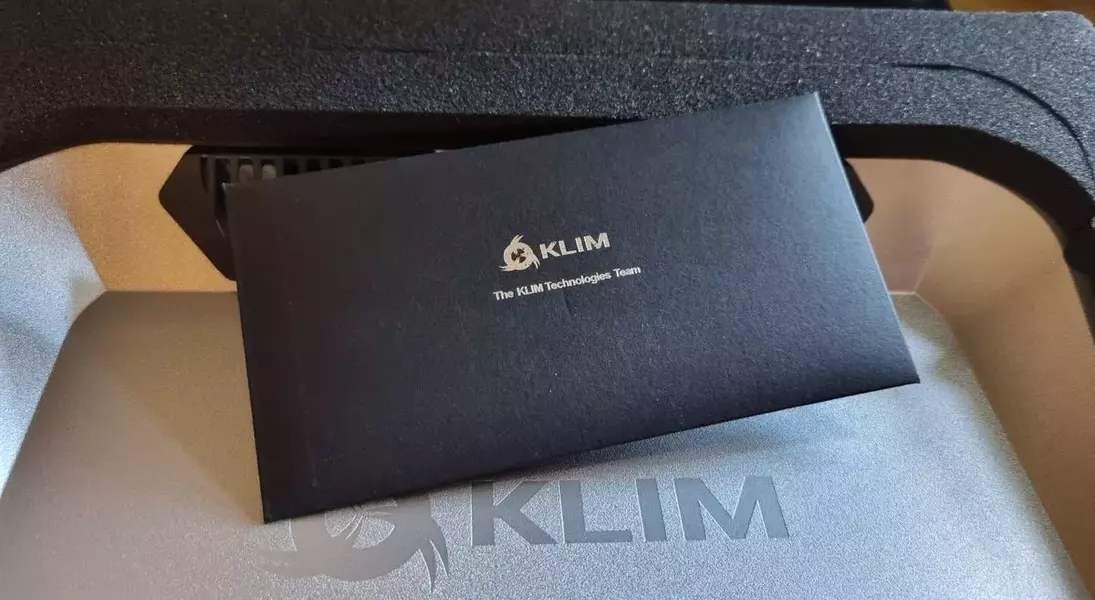
The Klim Everest cooling pad arrives with an unexpected and charming inclusion: a small black envelope containing stickers, a warranty card, and a unique comic strip. This comic humorously details the journey of your order, from careful retrieval with sterilized gloves to a three-day celebration of your purchase. This whimsical touch, while endearing, takes an odd turn with a panel requesting customer photos (or pet photos) for a personalized comic version.
Exploring the Design and Functionality of the Cooling Pad
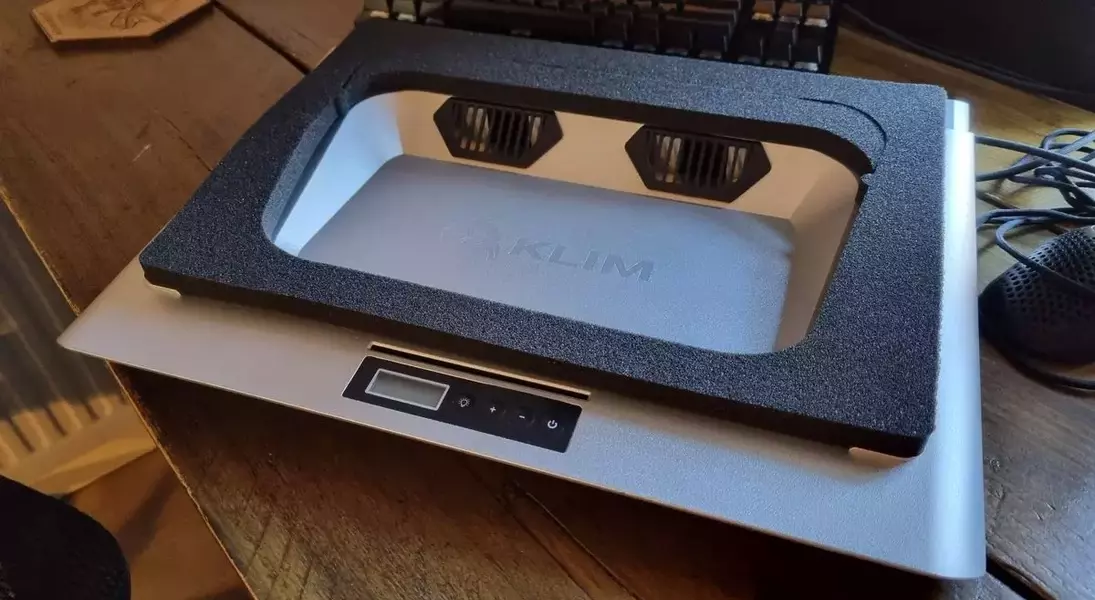
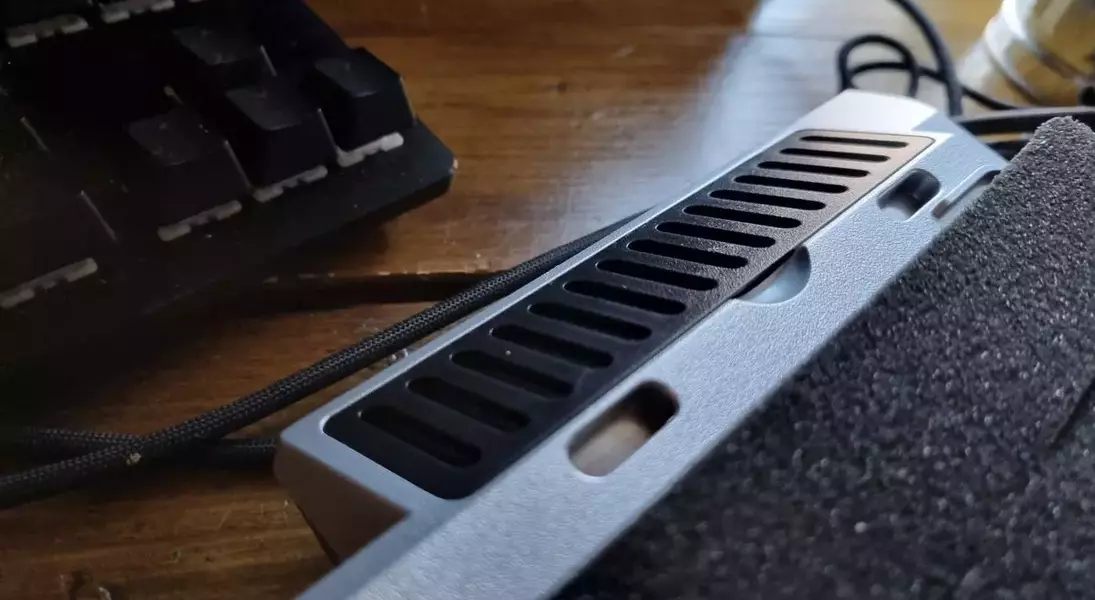
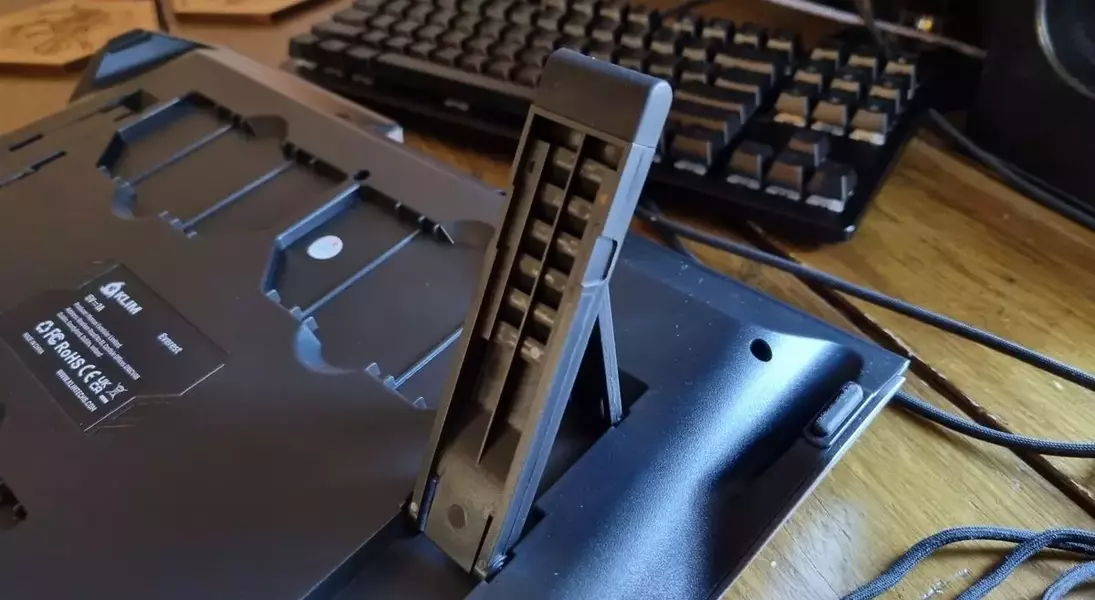
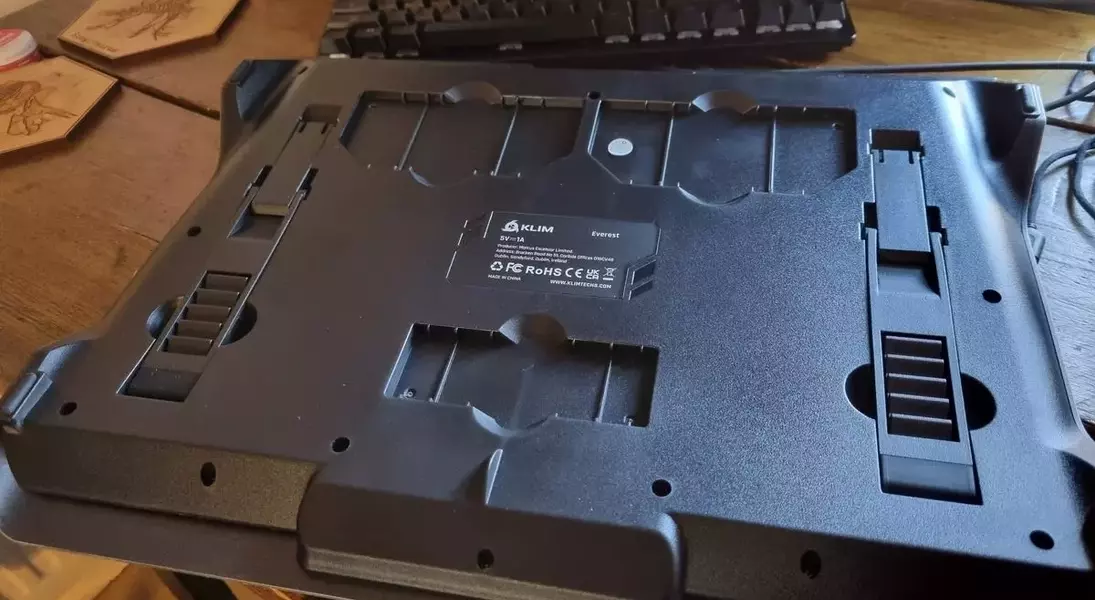
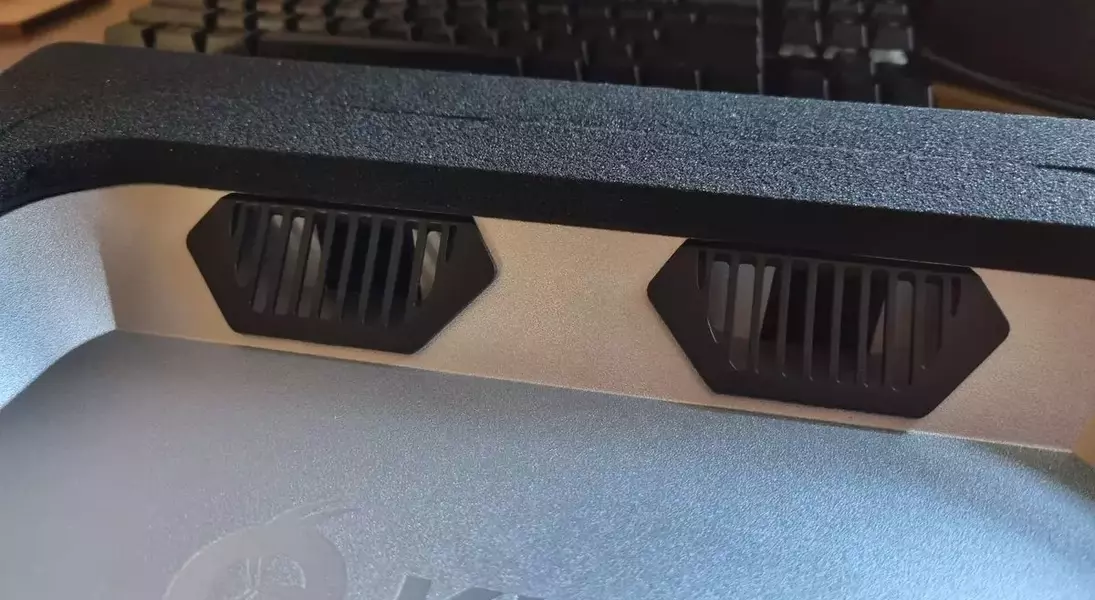
The Klim Everest itself is a substantial device, crafted to accommodate laptops ranging from 14 to 17.3 inches. It draws power from a USB Type-A port. Its design incorporates a foam gasket, intended to establish a sealed environment between the laptop's base and the ambient air. Within, two 60mm fans are positioned to channel cool air from the rear of the pad directly into the laptop's ventilation system.
Cost Analysis and Market Comparison
Retailing at an manufacturer suggested price of $60, the Klim Everest is currently available for $50 on Amazon. While this price point positions it as a more affordable option compared to high-end alternatives, such as a Razer unit priced at $150, it still sits above basic cooling solutions. The financial aspect raises questions about its overall value proposition given its performance.
Real-World Performance: Testing on a Gaming Laptop
To assess its practical impact, the Klim Everest was tested with an aging Razer Blade 15, known for its heat generation under heavy use. The testing involved running the Cyberpunk 2077 benchmark repeatedly to gather temperature data, first without the cooler, then with the laptop positioned on the Everest with fans at maximum. The objective was to observe any significant differences in temperature and performance metrics.
Noise Levels and Thermal Outcomes
A notable aspect of the Everest is its considerable noise production, emitting an irritating whirring sound when actively moving air. Furthermore, its operation did not quiet the Blade 15's internal fans under heavy load, leading to a combined and rather loud experience. Thermally, the RTX 3080 mobile GPU maintained similar peak temperatures, though a marginal one-degree reduction in average GPU temperature was observed. Intriguingly, average GPU frequency and 1% lows were slightly better without the cooling pad, suggesting minimal performance gains. However, a small victory was achieved in CPU cooling, with a two-degree drop in peak CPU temperature, correlating with slightly higher CPU clockspeeds, albeit without a measurable effect on gaming performance.
The Verdict: Is the Klim Everest Worth It?
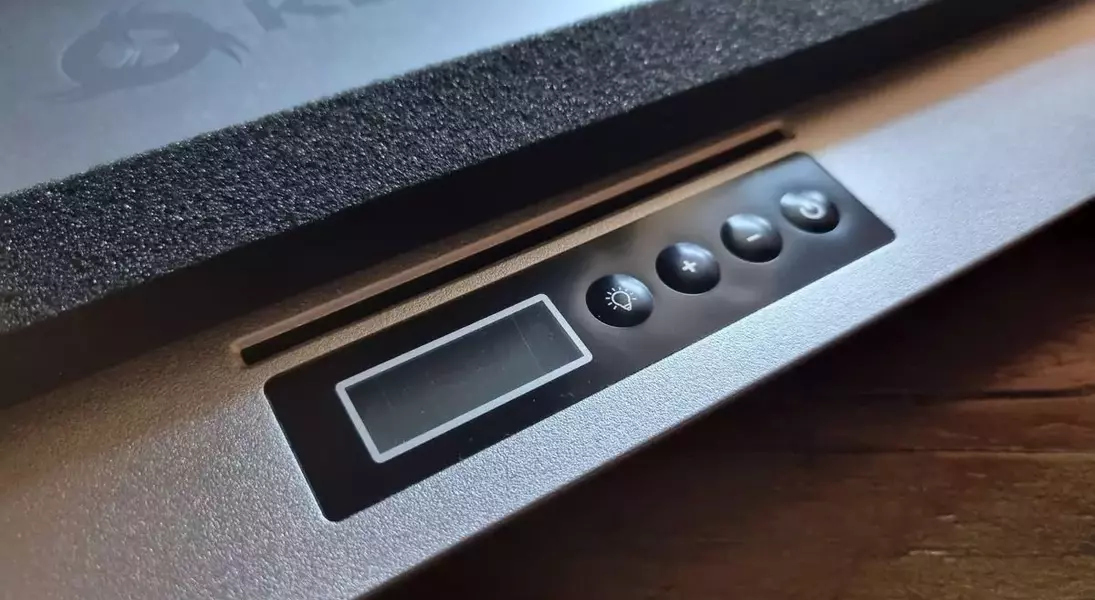
Ultimately, the Klim Everest serves as a large and noisy platform for a laptop, offering minimal practical benefits for the tested gaming machine in temperate conditions. It might prove more effective for severely overheating laptops or in hotter environments. Considering its loud operation, limited efficacy, and relatively high price, along with reported reliability issues and substandard screen/RGB lighting, a simple and inexpensive laptop stand that elevates the device for better airflow appears to be a more sensible and cost-effective alternative. The unique comic strip, while a pleasantry, does not compensate for the product's overall shortcomings, leading to its classification as a "Recycle Bin" candidate.
