
Embarking on a journey to transform a kitchen into a more health-conscious and environmentally friendly space involves a mindful approach to material choices. The increasing awareness of microplastics and their potential impact on health has spurred many to reconsider traditional kitchen essentials. This comprehensive guide highlights various product transitions that minimize plastic exposure, favoring alternatives crafted from glass, wood, silicone, and ceramic. By embracing these changes, individuals can cultivate a safer culinary environment while contributing to a more sustainable planet. This shift not only aligns with contemporary health advisories but also often introduces more durable and aesthetically pleasing items into the home.
The move towards a plastic-reduced kitchen transcends mere trends, reflecting a growing understanding of material science and its implications for daily life. From food storage solutions to cooking implements and even food coverings, every category presents opportunities for beneficial upgrades. The selected products not only perform their functions effectively but also mitigate the risks associated with plastic degradation and chemical leaching. This commitment to non-toxic and durable materials ensures a long-term investment in well-being and environmental stewardship, paving the way for a kitchen that is as safe as it is functional and stylish.
Sustainable Storage and Cutting Solutions
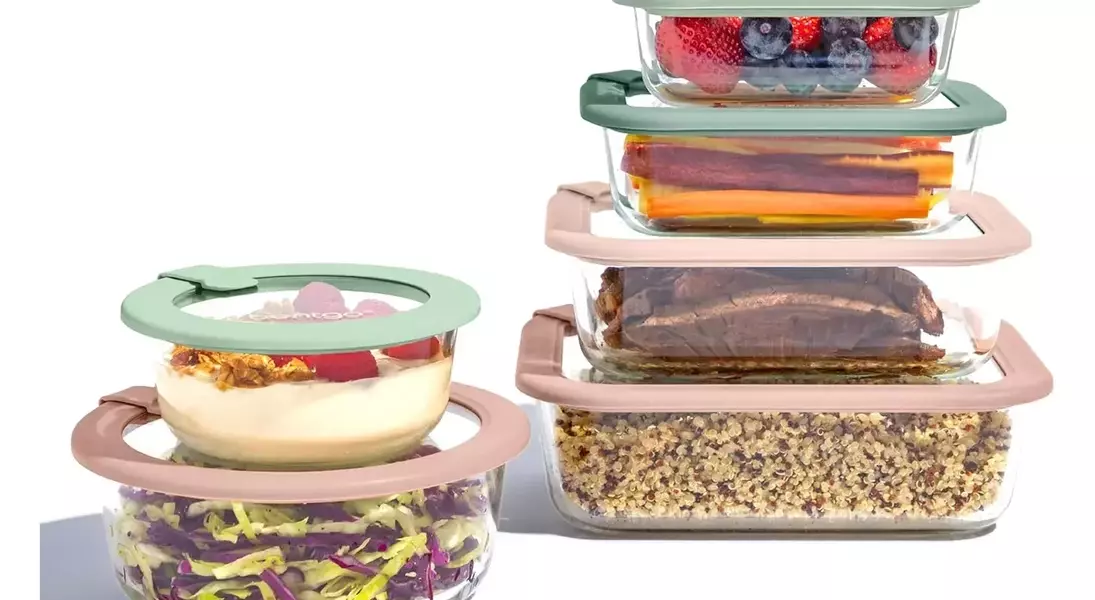
Transitioning from plastic to glass for food storage is a crucial step towards reducing microplastic exposure, as temperature changes can accelerate the release of these particles from plastic. Glass containers offer a durable and safe alternative, accommodating hot ingredients without the risk of degradation. Modern designs, like those with innovative silicone and glass lids, provide practical benefits such as steam release and simplified cleaning due to minimal crevices, making them superior to their plastic counterparts in both form and function.
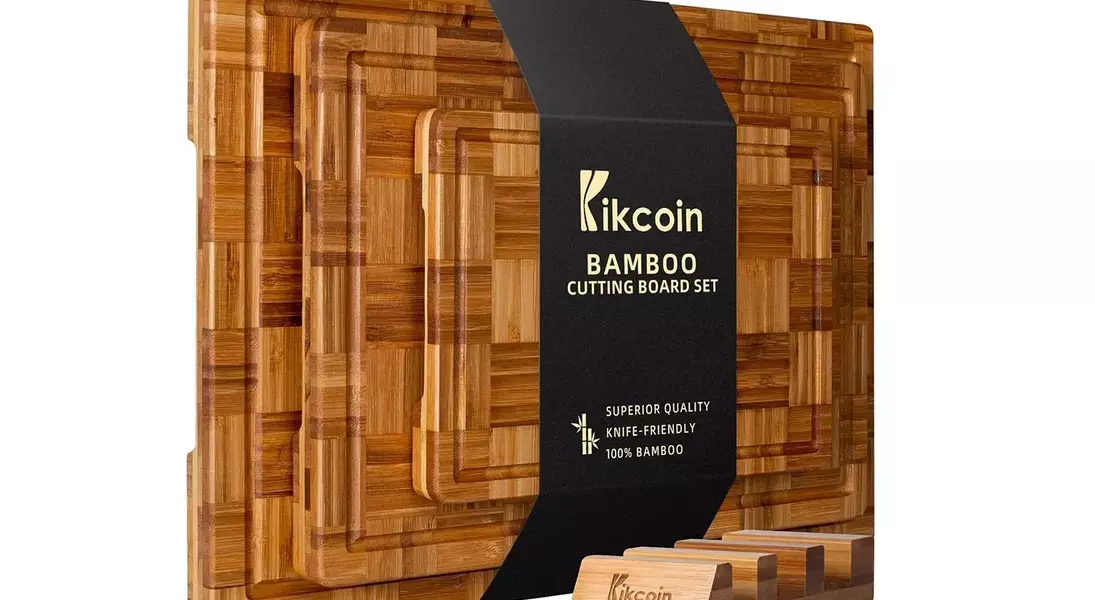
Replacing plastic cutting boards with bamboo or wooden alternatives further supports a healthier kitchen environment. Traditional plastic boards, especially when worn, can shed microplastics into food during preparation. Bamboo boards, in particular, are not only a more sustainable choice but also durable and aesthetically pleasing, suitable for both daily use and serving. These natural materials provide a safe and effective surface for food preparation, contributing to a significant reduction in microplastic intake and enhancing the overall safety of your cooking practices.
Non-Toxic Cooking and Preservation
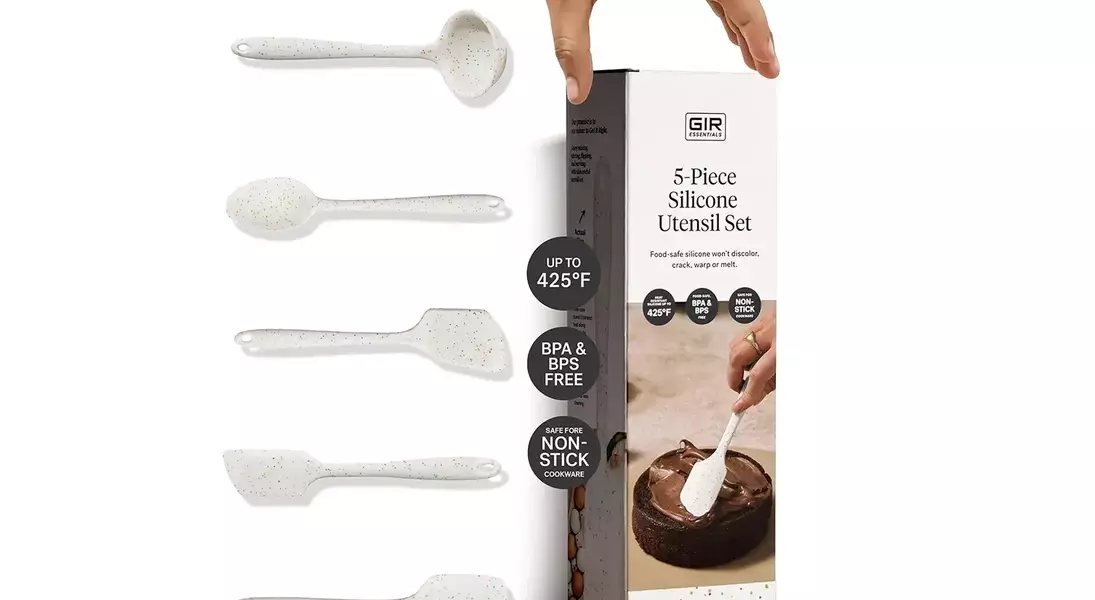
The selection of cooking utensils and cookware plays a pivotal role in minimizing chemical exposure in the kitchen. Swapping plastic utensils for those made from wood or silicone is a smart move, especially given concerns about potential toxins released from certain plastics when exposed to heat. High-quality wooden and silicone tools offer durability and versatility, capable of handling various cooking tasks from sautéing to mixing without compromising food safety. They represent a significant upgrade, ensuring that meals are prepared with minimal risk of contamination from cooking implements.
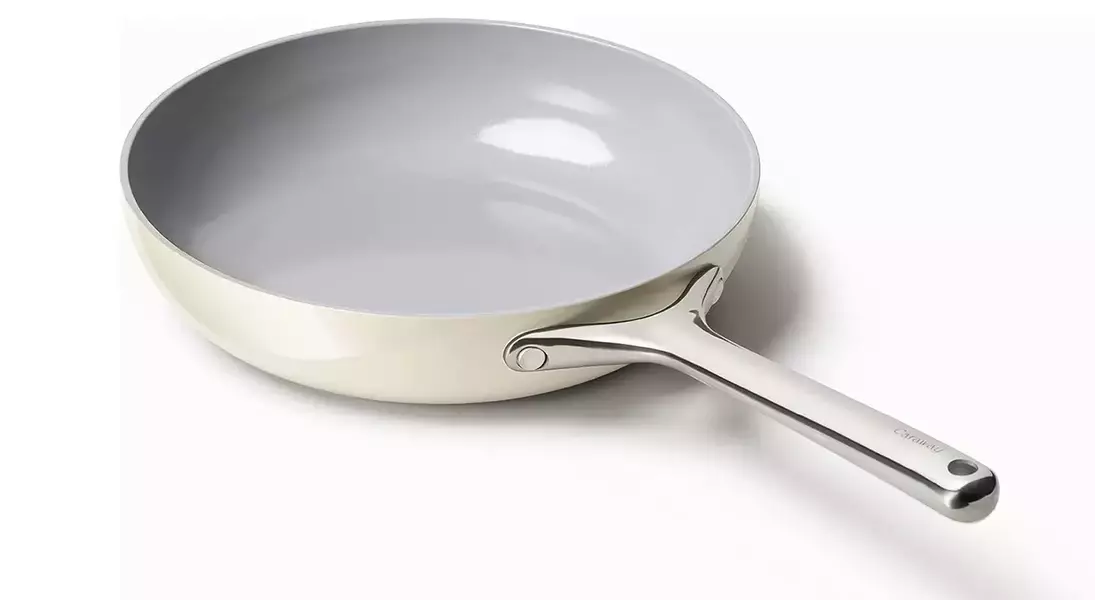
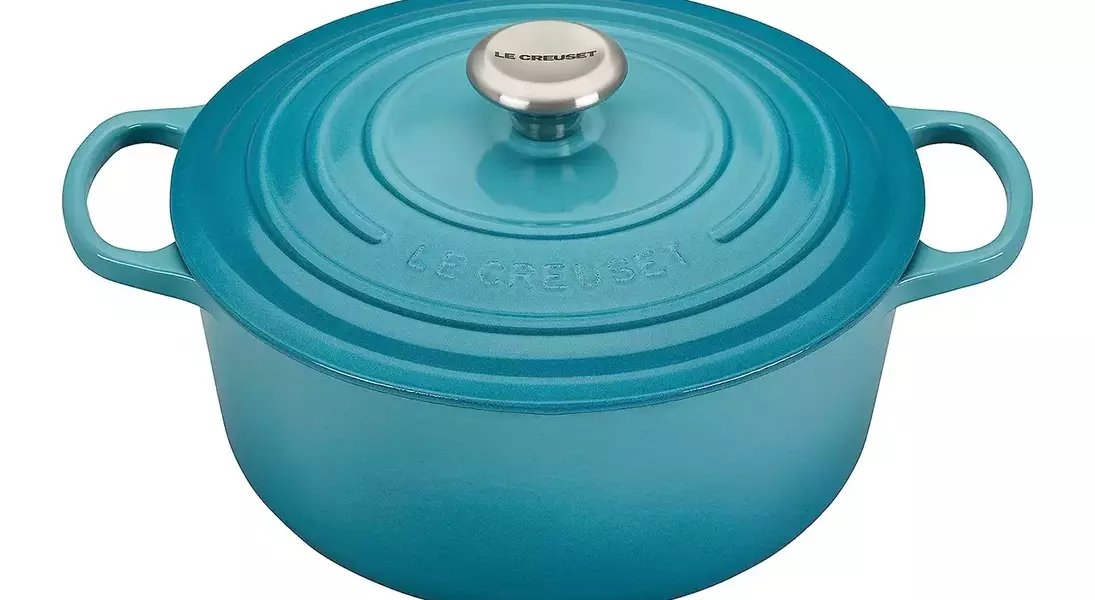
Furthermore, abandoning Teflon-coated pans, known for containing harmful forever chemicals like PFOAs and PFAS, in favor of non-toxic options such as ceramic or cast iron is a vital health consideration. Ceramic cookware, while requiring eventual replacement, provides a reliable nonstick surface without the associated chemical risks, offering smooth and consistent performance. Similarly, enameled cast iron Dutch ovens, celebrated for their longevity and even heat distribution, offer a durable and chemical-free solution for a wide range of culinary applications. For food preservation, reusable beeswax wraps serve as an eco-friendly alternative to plastic wrap for many items, promoting sustainability while maintaining food freshness, though traditional plastic wrap may still be necessary for certain sensitive foods like raw meats.
