



Some kitchen items are built to last, serving you faithfully for years, such as durable cast iron skillets or robust wooden cutting boards. However, many other kitchen essentials have a finite lifespan and eventually need to be replaced to maintain their effectiveness and safety. Our editors at Serious Eats have compiled a list of such items, sharing their insights on when and why to upgrade these everyday kitchen workhorses.
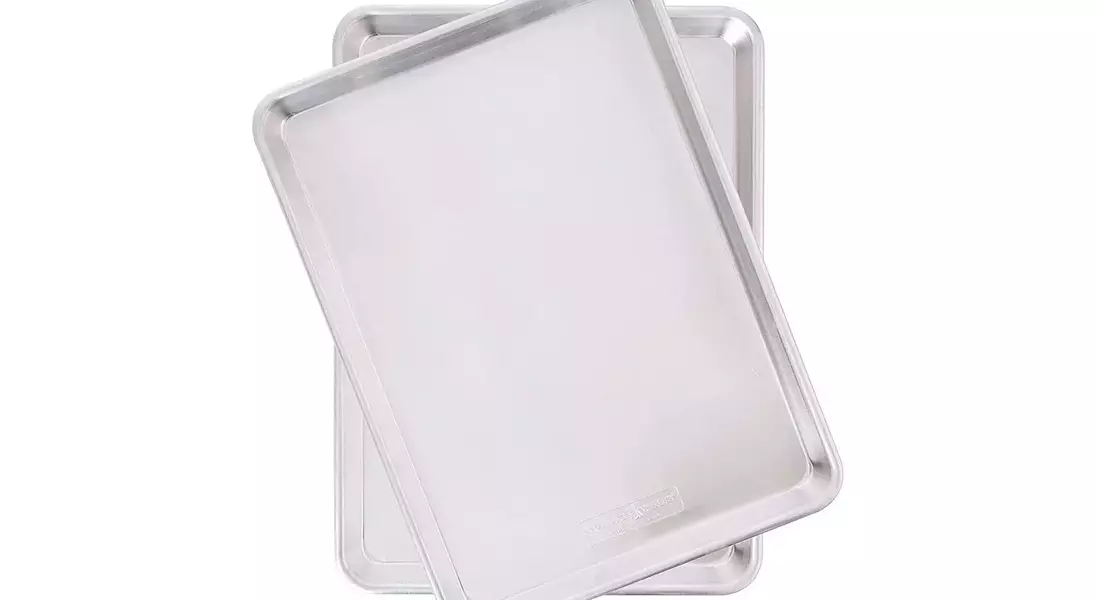
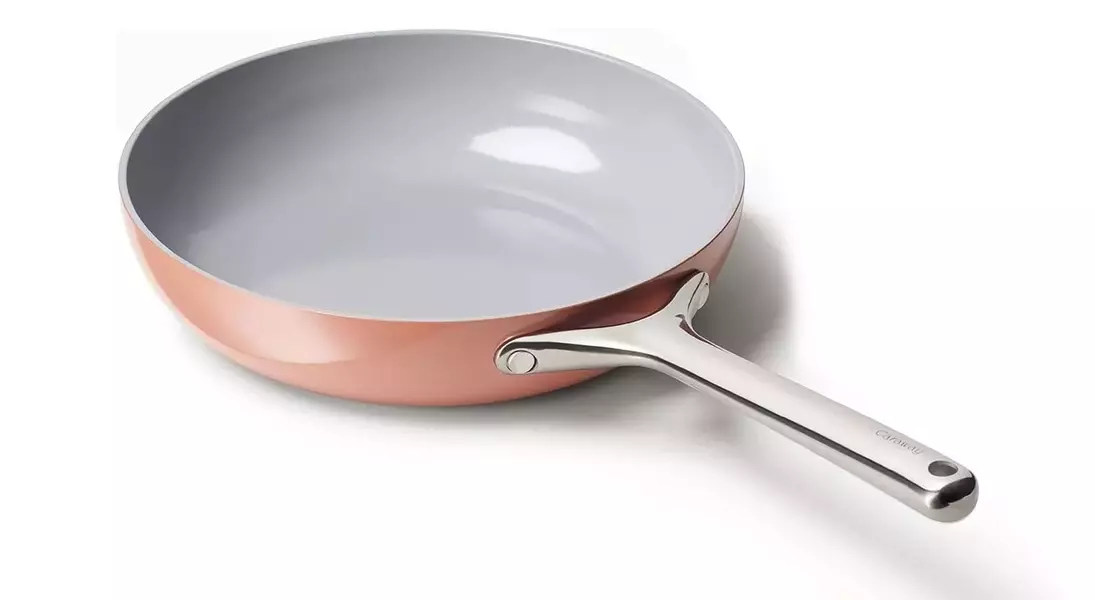
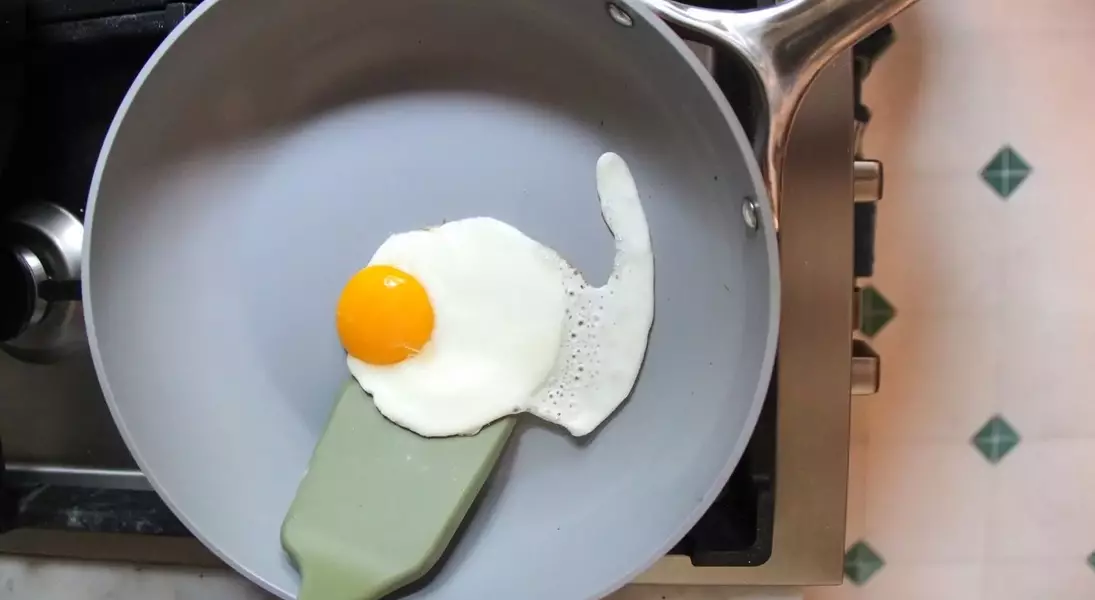
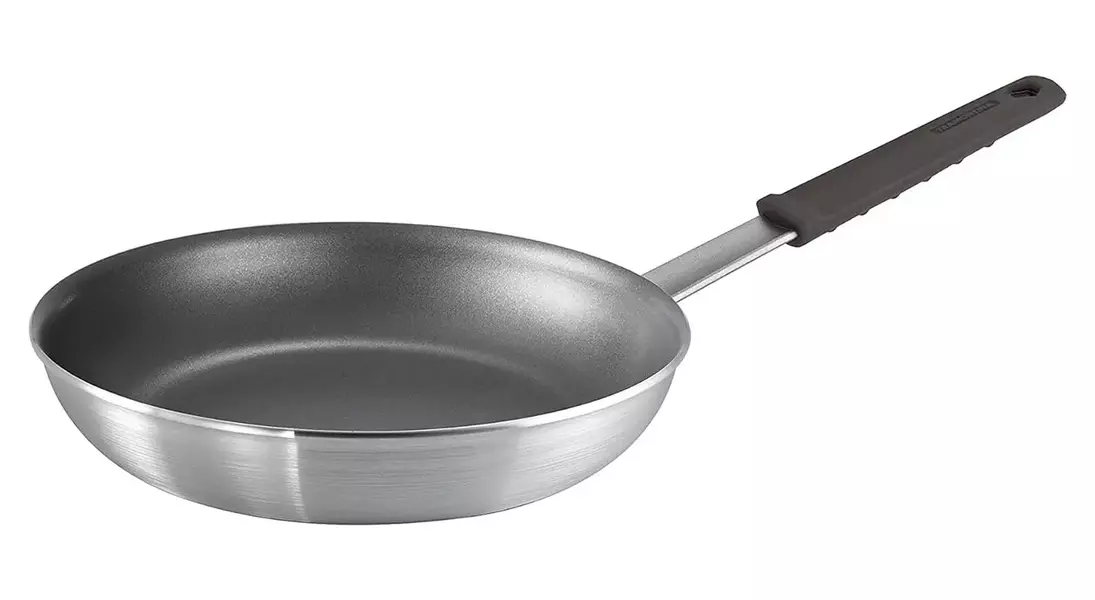
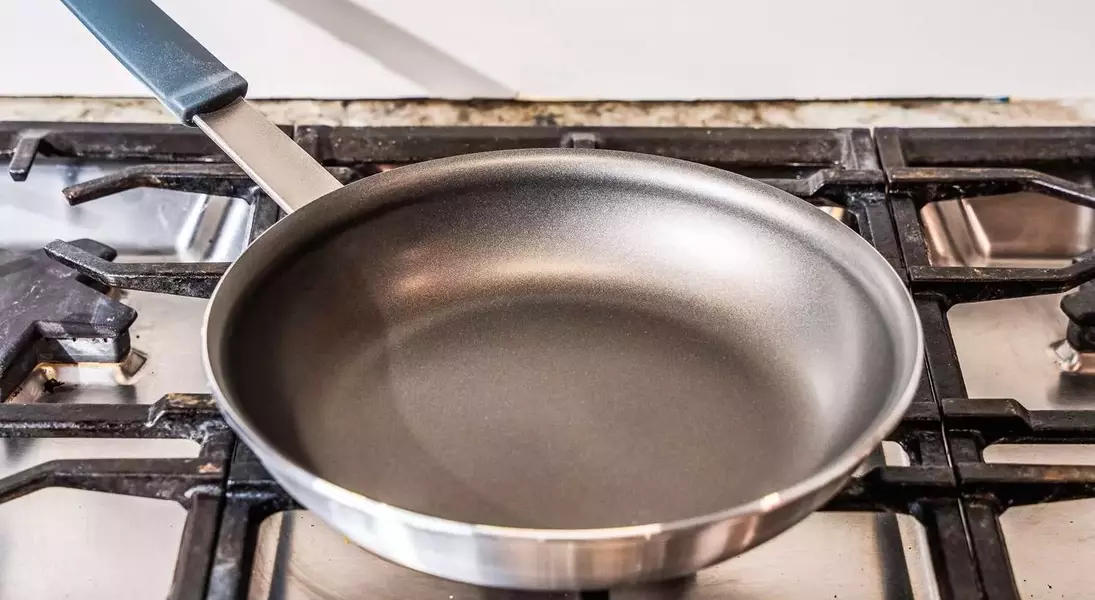
Sheet pans often suffer from warping due to high heat, causing liquids and oils to pool unevenly, which can affect cooking results. Our experts recommend investing in thicker, more durable sheet pans that resist warping, ensuring even heat distribution and consistent cooking. Ceramic nonstick skillets, while initially convenient, can chip and degrade over time, potentially releasing ceramic flakes into food. It's crucial to replace these at the first sign of wear to avoid ingesting particles and to maintain optimal nonstick performance. Similarly, traditional nonstick skillets should be replaced as soon as they show any signs of damage or wear to safeguard your health and ensure your scrambled eggs remain perfectly cooked.
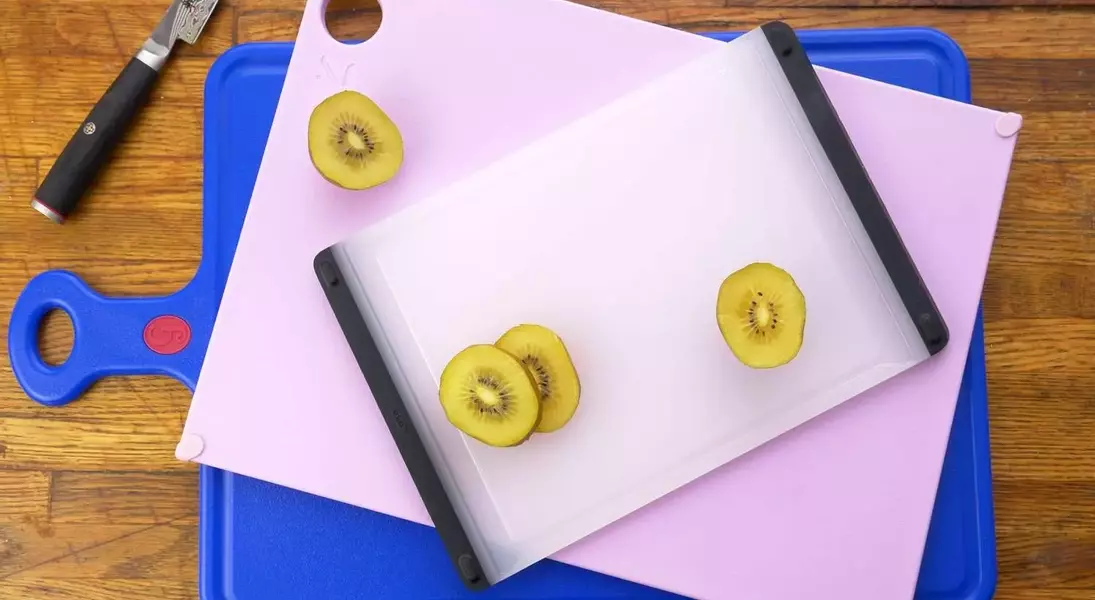
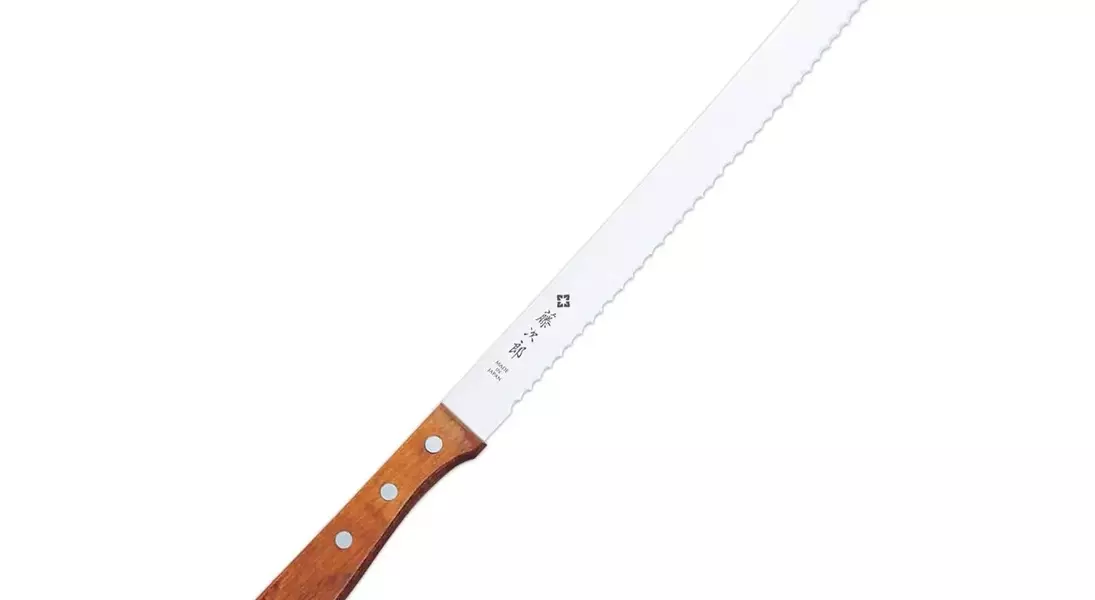
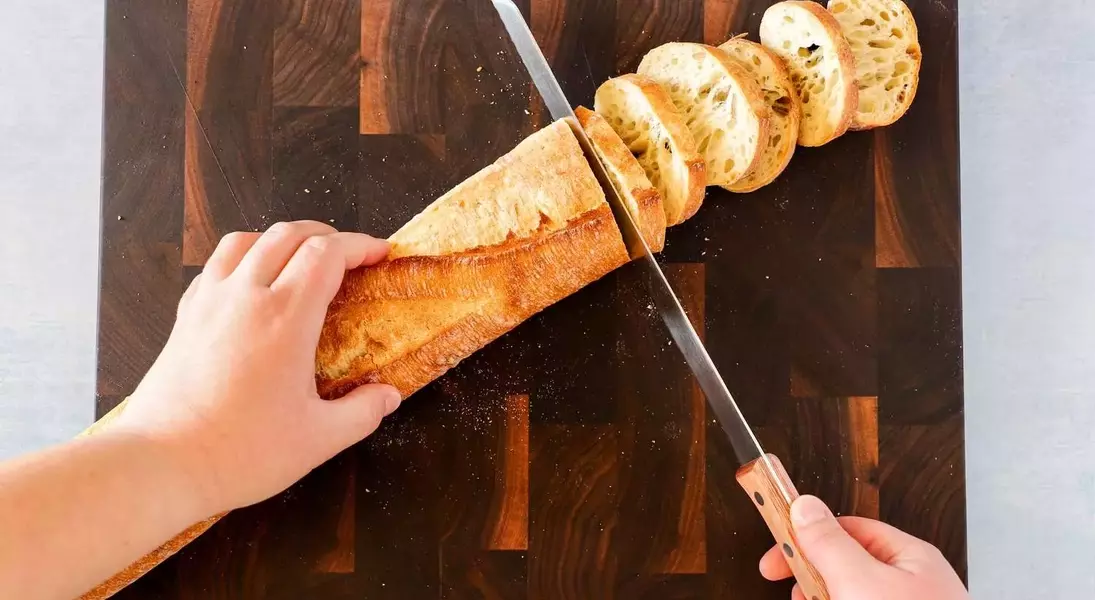
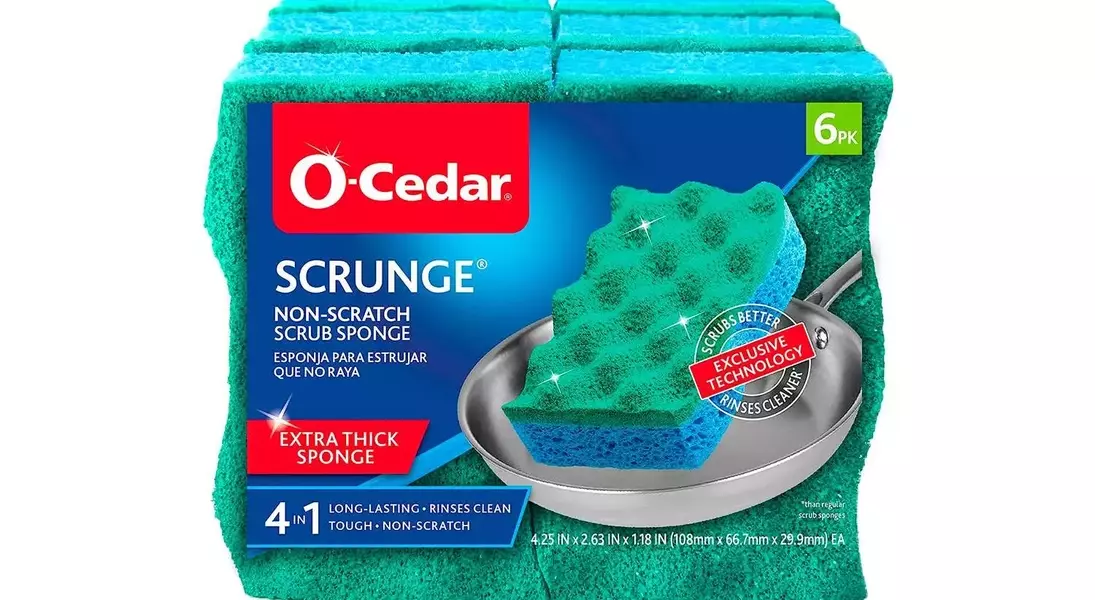
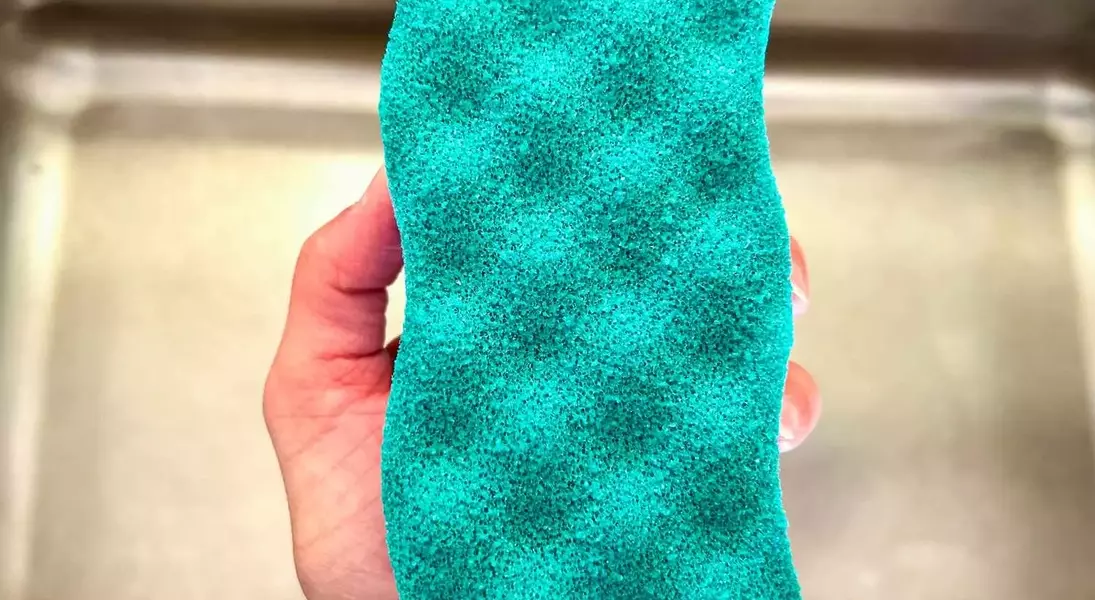
A sharp bread knife is indispensable for cleanly slicing through crusty loaves. If your serrated knife struggles or tears bread, it's a clear indication that it needs replacing. Upgrading to a high-quality bread knife can transform the simple act of slicing bread into a smooth, effortless task. Sponges, often overlooked, are breeding grounds for bacteria and should be replaced frequently to maintain kitchen hygiene. Investing in a multi-pack of durable, scratch-resistant sponges ensures you always have a fresh one on hand for effective cleaning. Plastic cutting boards, while convenient for raw meats, can develop deep scratches that harbor pathogens. Regular replacement is essential to prevent cross-contamination and ensure food safety.
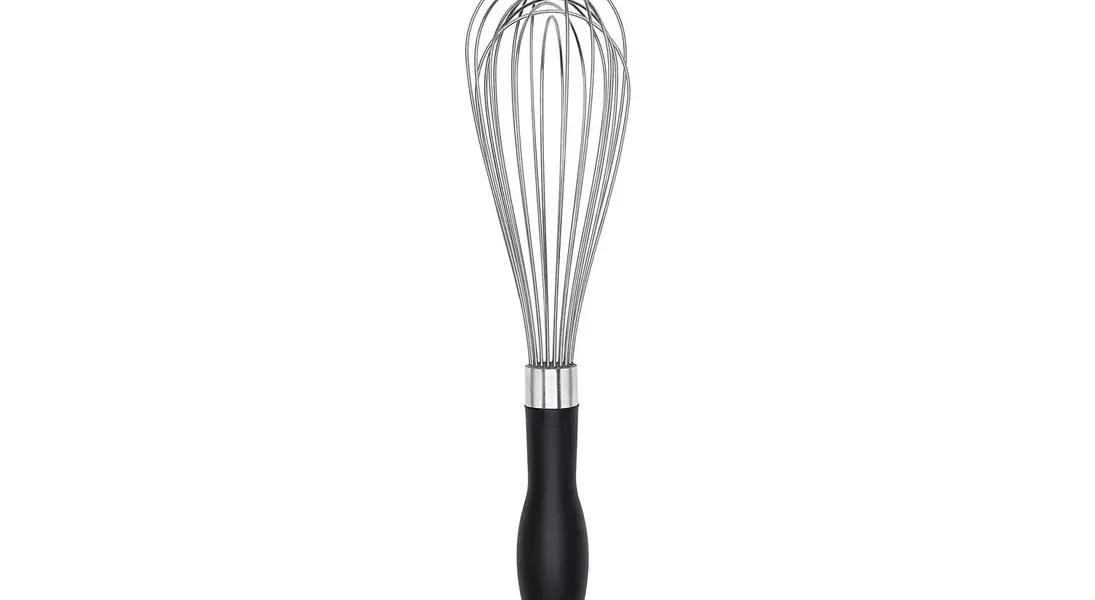
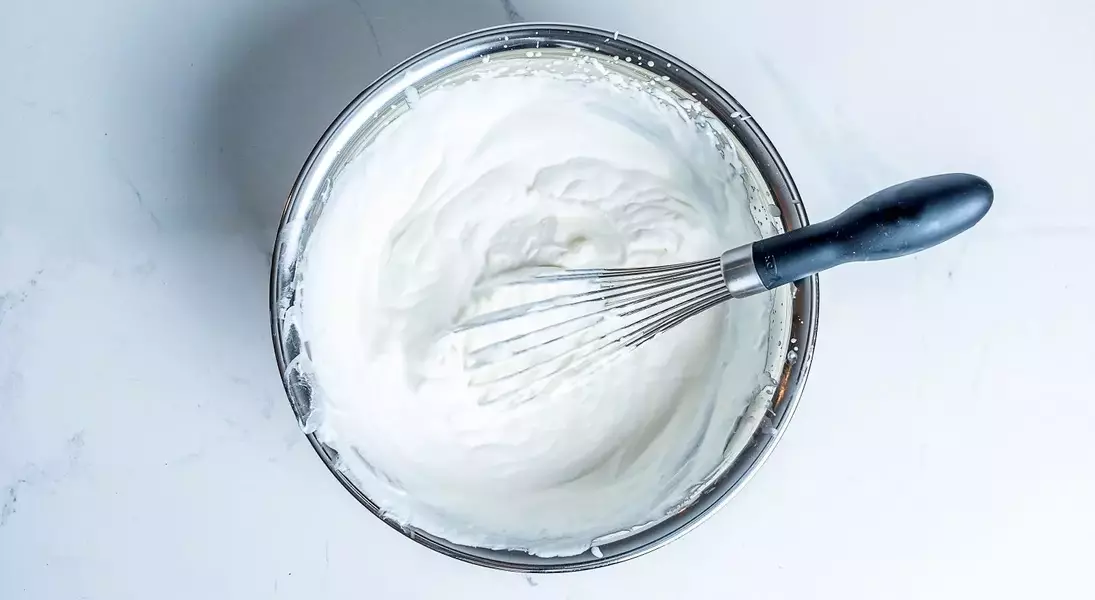
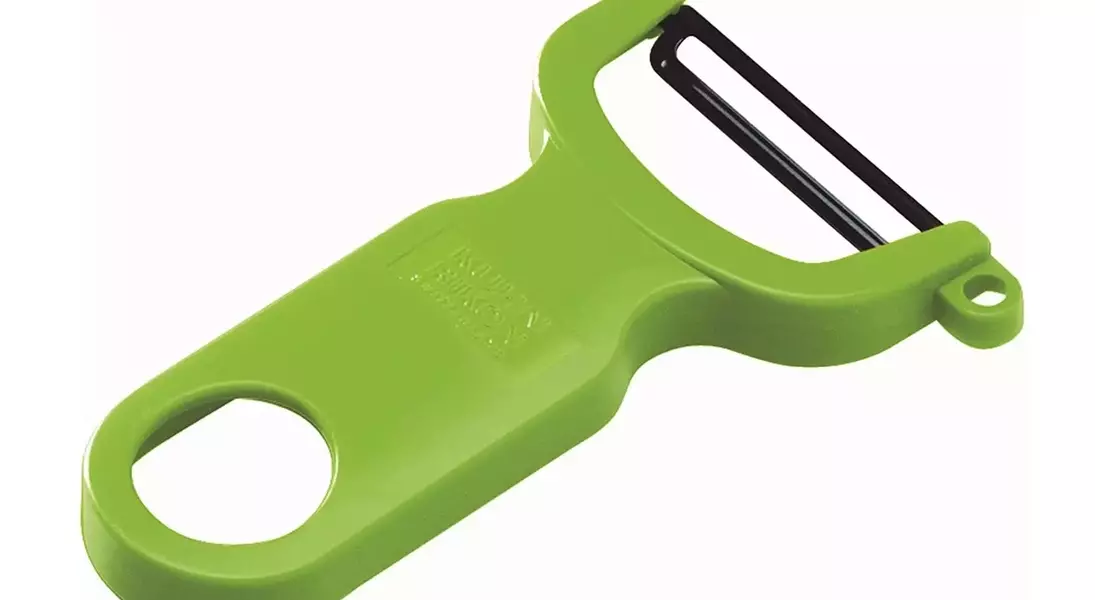
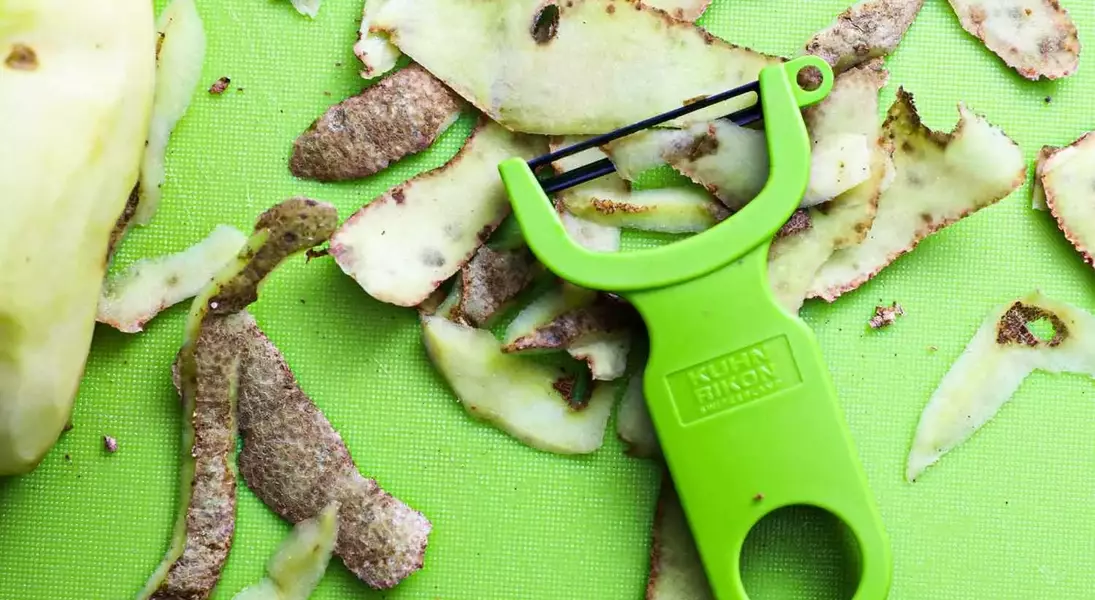
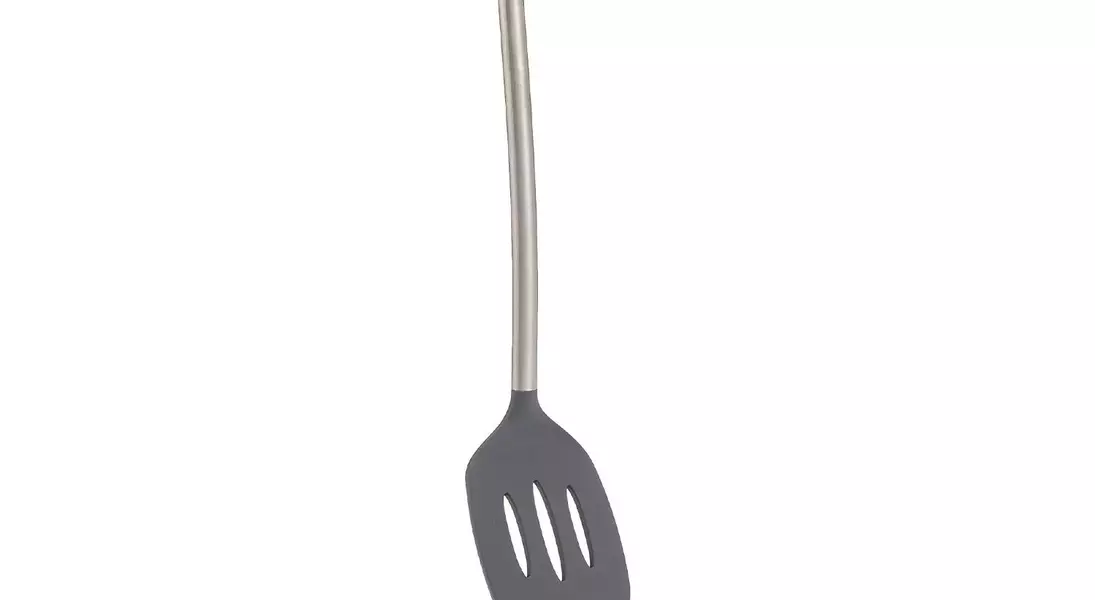
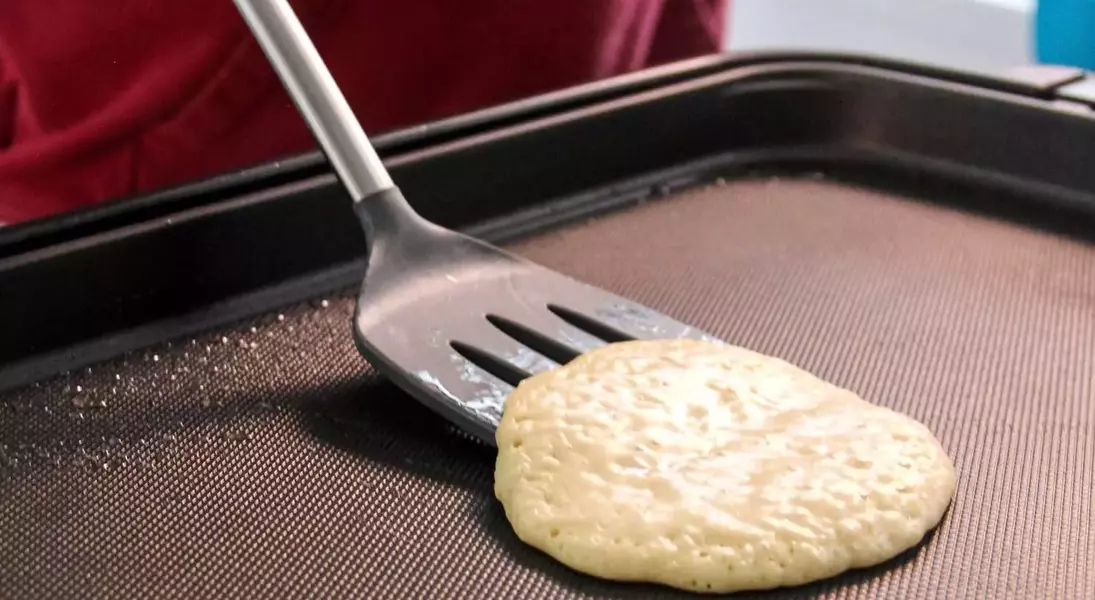
Whisks with bent or loose wires fail to incorporate air efficiently, impacting the texture of whipped ingredients. An honest assessment of your whisk's condition can determine if an upgrade is needed to achieve light and airy results. Vegetable peelers, though small and unassuming, become dull over time, requiring more pressure and increasing the risk of accidents. A sharp peeler makes prep work faster, smoother, and significantly safer. Black plastic spatulas, especially those showing signs of wear, can transfer unwanted materials into your food. Opting for a durable silicone slotted turner can provide a safer, more effective alternative for nonstick cookware.
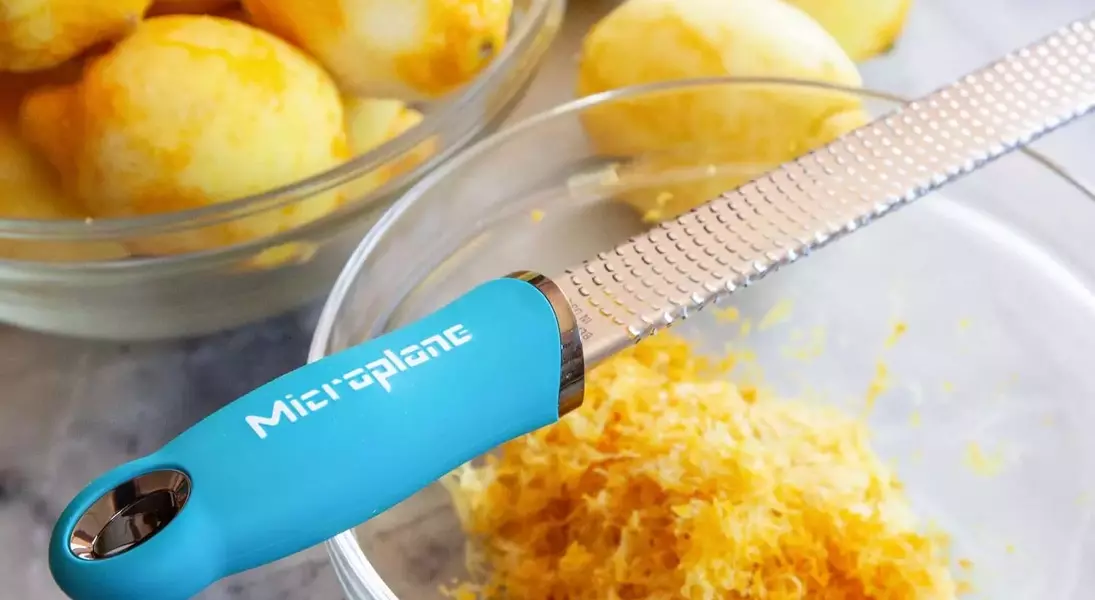
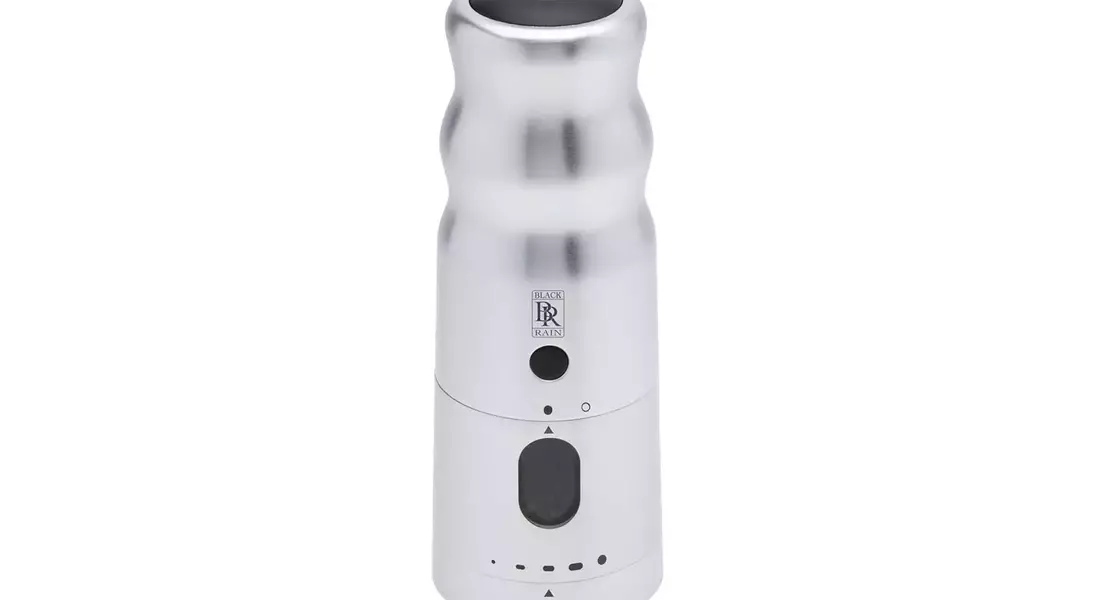
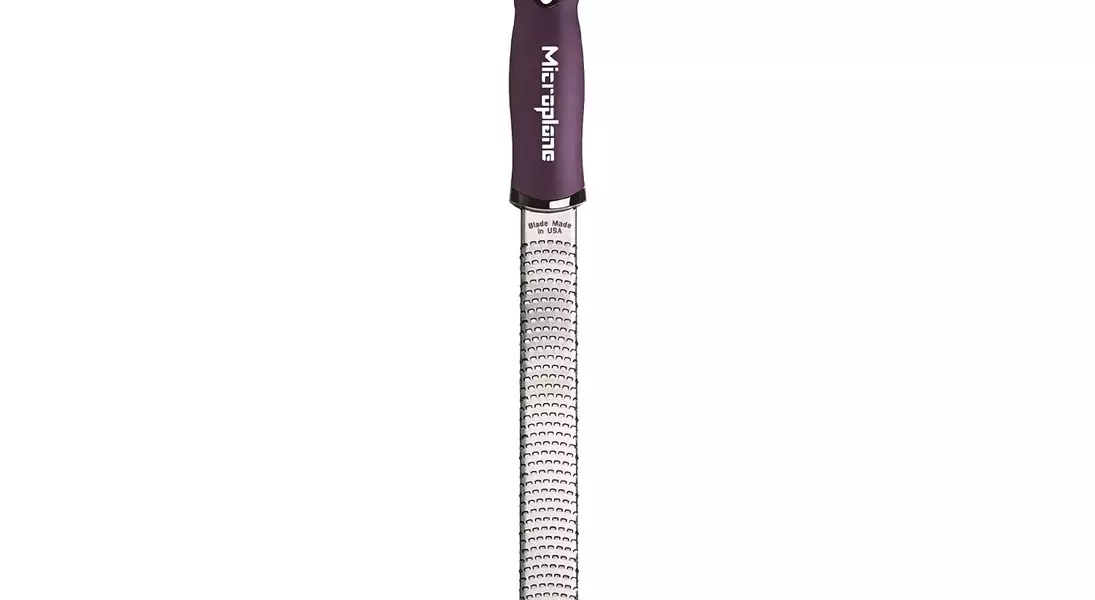
Spices lose their potency over time, diminishing the flavor of your dishes. Periodically refreshing your spice cabinet with fresh, high-quality spices can dramatically enhance your cooking. Brands like Diaspora Co. are known for their thoughtfully sourced, incredibly fresh spices. A sluggish pepper mill can be frustrating, failing to deliver a consistent grind. Electric pepper grinders, while a modern convenience, can provide a powerful and efficient grind with the push of a button, making seasoning a breeze. Finally, microplanes, despite their hard work, inevitably dull. If zesting requires more effort or produces clumps rather than fine shavings, it's time for a replacement to ensure optimal performance.
Maintaining a well-equipped kitchen involves regularly assessing and replacing certain tools. From sheet pans and skillets to everyday items like sponges and peelers, timely upgrades ensure safety, efficiency, and superior culinary results. Prioritizing the condition of these tools contributes to a more enjoyable and hygienic cooking experience.
