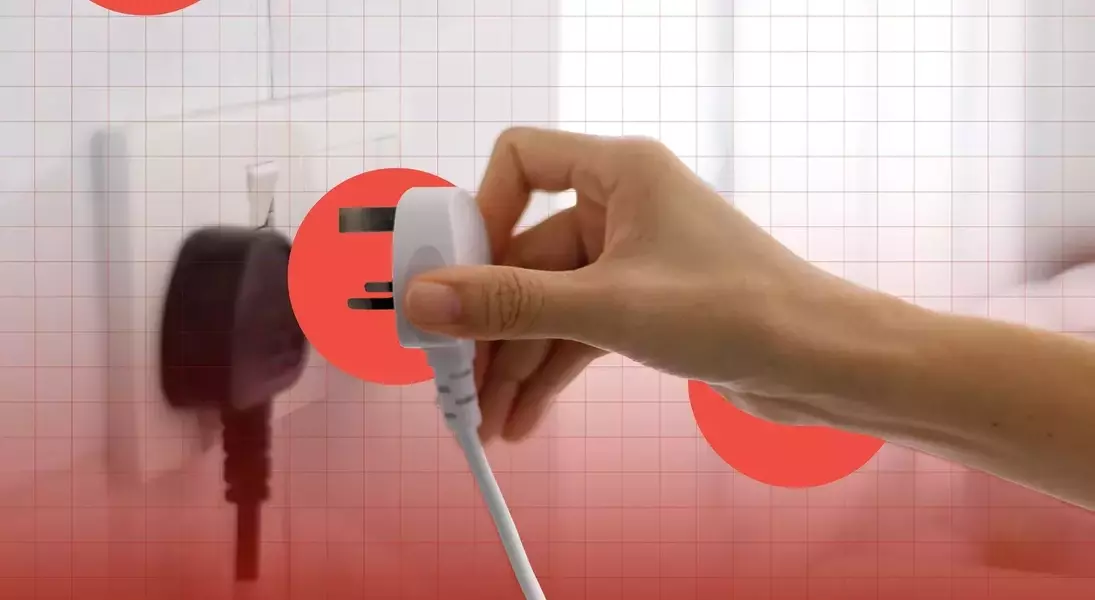
Leaving small kitchen appliances plugged in, even when not in use, poses significant risks beyond simple energy consumption. Both fire hazards and unnecessary electricity usage are primary concerns. Appliances with heating elements, such as coffee makers, slow cookers, and toasters, are particularly problematic, as they can overheat or malfunction, potentially leading to fires. Additionally, many modern appliances, even those without active heating, still draw 'phantom load' or 'vampire energy' when left connected to an outlet. This constant, albeit small, power draw can accumulate over time, increasing household electricity bills and contributing to environmental impact. Unplugging these devices is a simple yet effective measure to enhance safety and reduce energy costs.
For optimal safety and energy efficiency, it is crucial to adopt the practice of unplugging small kitchen appliances after each use. This habit not only mitigates the risk of electrical fires, especially for heat-generating devices, but also significantly reduces phantom energy consumption. Appliances with smart features, digital displays, or internal clocks are notorious for drawing power even when inactive. Regularly checking cords for damage and ensuring proper GFCI outlets are in use further enhance kitchen safety, protecting against electrical shocks and malfunctions. Prioritizing these simple actions contributes to a safer home environment and a lower electricity footprint.
Unplugging for Enhanced Safety and Reduced Energy Consumption
Many common kitchen appliances, from coffee makers to blenders, continue to draw power even when they are turned off but remain plugged into an outlet. This phenomenon, known as "phantom load" or "vampire energy," not only contributes to higher electricity bills but also poses potential safety hazards, particularly the risk of electrical fires. Experts from organizations like the National Fire Protection Association and the Consumer Product Safety Commission strongly advocate for unplugging all countertop kitchen appliances when they are not actively being used.
Appliances with heating elements, such as electric kettles, slow cookers, pressure cookers, electric griddles, and toasters, are especially prone to fire risks if left plugged in. Even with automatic shut-off features, these devices can malfunction or overheat, turning residual crumbs or food particles into potential fire starters. Modern appliances with smart features, Wi-Fi connectivity, and intricate displays also contribute to phantom load, silently consuming energy. Disconnecting these devices from power sources not only minimizes fire risks but also extends their lifespan by protecting them from background electrical loads and sudden power surges.
Specific Appliances: Risks and Best Practices
Coffee makers and electric kettles, especially those with advanced features like auto-start or Wi-Fi control, consume energy even when idle due to their large displays and internal systems. Espresso machines, in particular, draw substantial power during warm-up cycles. Beyond energy consumption, the heating elements in many coffee pots present a fire hazard, necessitating unplugging them when not in use. Slow cookers and pressure cookers, designed for extended cooking, often default to a 'warm' mode and lack true automatic shut-off, making manual unplugging essential to prevent overheating and fire risks. Similarly, electric griddles and hot plates, which retain heat for prolonged periods, should be unplugged and allowed to cool completely before storage.
Toasters are a prime example of a simple appliance that can become a fire hazard if crumbs accumulate and the device remains plugged in. Some models have even been subject to recalls for spontaneously powering on. Air fryers and mini ovens, despite often having auto-off safety features, typically feature complex digital interfaces that contribute to phantom energy draw. Even non-heating appliances like blenders and food processors should be unplugged to prevent accidental activation, especially given the sharp blades in food processors, and to protect them from power surges, thereby prolonging their operational life. Adopting these habits, alongside checking cords for damage and using GFCI outlets, promotes a safer and more energy-efficient kitchen environment.
