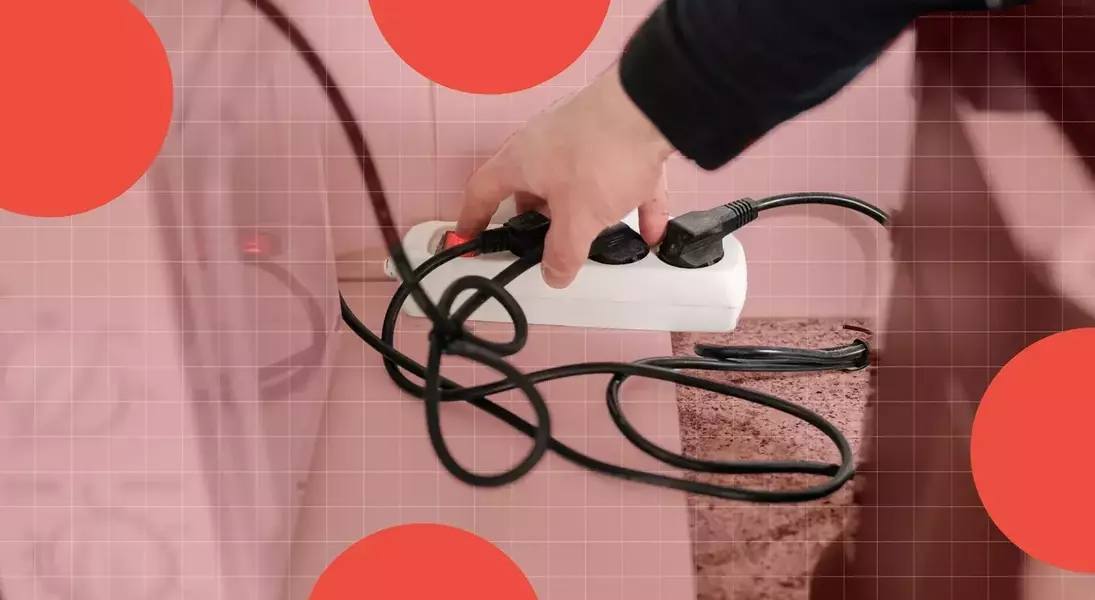
In a modern kitchen filled with various electrical gadgets, the temptation to use a power strip for convenience is strong. However, it's crucial to understand that not all appliances are designed to be used with these devices. Plugging high-wattage kitchen appliances into a power strip can lead to serious hazards, including overheating, electrical shocks, and even fires. This guide highlights the common kitchen appliances that should always be plugged directly into a wall outlet to ensure safety and prevent damage.
Many common kitchen appliances draw significantly more power than standard power strips can safely handle. When multiple high-wattage devices are connected to a single power strip, it can easily lead to an overload, causing the strip to overheat. Electrician Angel Garcia explains that this overheating can melt wire insulation, posing a risk of house fires or electrical shocks. Ben Kolo, another electrician, emphasizes that appliances with fluctuating power demands, like refrigerators and freezers, are particularly problematic for power strips due to their inability to reliably support sudden load changes. Such misconnections can result in power loss, damage to the appliance, or compromise safety features like surge protection.
Consider microwaves, for example, which consume a substantial amount of electricity. Plugging them into a power strip can trip circuit breakers and cause overheating. Similarly, blenders, with their high-draw motors, can pull significant surges of electricity upon startup, exceeding a power strip's capacity. Megan Doser, an electrical industry expert, warns that this can melt the power strip's plastic and damage internal wiring, increasing the risk of sparks. Electric kettles also demand a large amount of power instantaneously, stressing a power strip's internal contacts and causing it to heat up dangerously. Even seemingly modest coffee makers, despite often falling within a power strip's wattage limit, can become hazardous when other devices are simultaneously connected, easily exceeding the strip's capacity. Air fryers, despite their compact size, are also notable power consumers, with some models requiring up to 2,000 watts, making them unsuitable for power strip use.
Beyond specific appliances, general electrical safety in the kitchen is paramount. Extension cords, like power strips, are not designed for high-wattage devices. Damaged or frayed cords should be replaced immediately to prevent electrical shocks or fires. Overloading wall outlets with multiple high-wattage appliances can also lead to overheating and tripped breakers. Furthermore, careful consideration of appliance placement, especially in areas prone to condensation or water exposure, is vital to prevent moisture from seeping into outlets and causing electrical issues.
Ultimately, while power strips offer convenience, they are not suitable for all kitchen appliances. High-wattage devices such as refrigerators, microwaves, blenders, electric kettles, coffee makers, and air fryers should always be plugged directly into dedicated wall outlets to maintain a safe kitchen environment. When in doubt about electrical safety or outlet capacity, consulting a qualified electrician is always the best course of action to prevent potential hazards.
