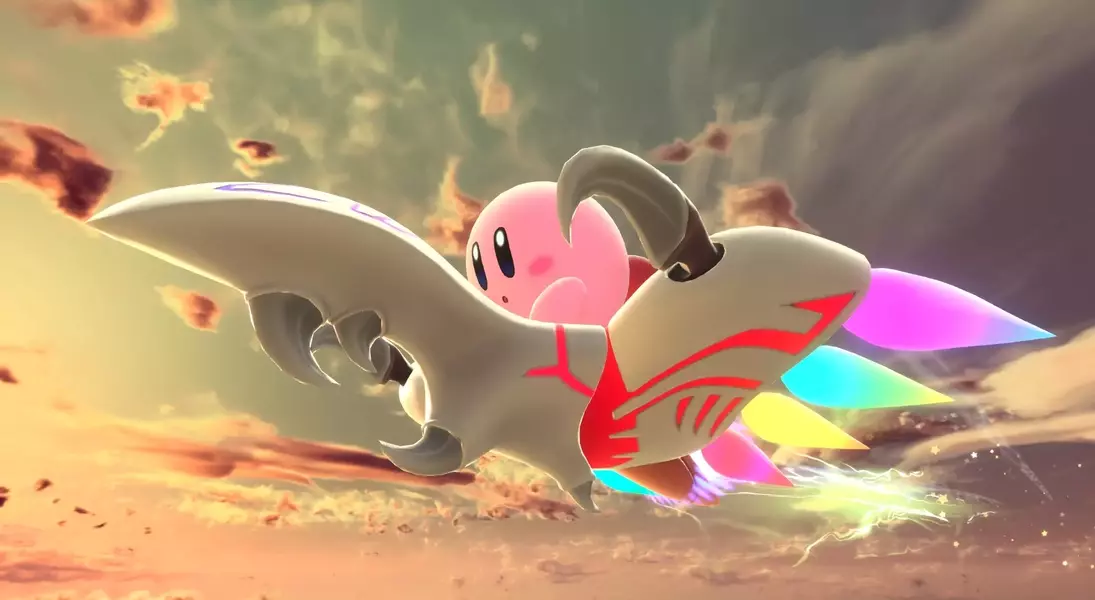
This discussion delves into the captivating allure of unlockable content within video games, spotlighting Nintendo's latest release, Kirby Air Riders. The author fondly recalls the gratification derived from uncovering hidden characters in Super Smash Bros. Melee and illustrates how Air Riders elevates this sensation with an impressive array of 750 distinct unlockables. The game's ingenious design actively motivates players to delve into its multifaceted mechanics, acquire novel proficiencies, and achieve mastery across its varied play modes through a meticulously crafted and highly gratifying challenge system, thereby establishing it as a remarkable entry in the gaming landscape for its compelling progression.
For many enthusiasts, the joy of video games extends beyond mere gameplay; it encompasses the excitement of discovery and achievement. The author vividly recounts a seminal childhood memory: the exhilarating night Mewtwo was unlocked in Super Smash Bros. Melee. This experience, born from a friend's internet savvy and a marathon overnight gaming session on a Christmas-gifted GameCube, perfectly encapsulates the magic of unlockables. It was a time when games, particularly in the 2000s, were expected to offer a rich tapestry of secrets to pursue. The quest to uncover new characters, vehicles, or arenas was as fulfilling as the actual act of playing, a sentiment that strongly resonates with the author's current fascination with Kirby Air Riders.
Kirby Air Riders, the latest creation from Masahiro Sakurai, the visionary mind behind Super Smash Bros., is presented as a groundbreaking exclusive for the Nintendo Switch 2. This innovative title seamlessly blends action and racing elements, allowing players to immerse themselves in traditional races, a narrative-driven story mode, a unique slot car-inspired mini-game, and the signature City Trial mode. While these individual components offer their own brand of entertainment, the true magnetic force for the author lies in the game's staggering 750 unlockable items. This vast collection ensures a continuous cycle of discovery and reward, encouraging players to engage deeply with every facet of the game.
Mirroring the design philosophy of its predecessor, 2003's Kirby Air Ride, the sequel presents players with a series of grids, each containing 150 boxes. Every box represents a unique unlockable, tied to specific challenges. These challenges range from exploring every course in Air Ride mode to meticulously avoiding obstacles in a Top Ride race or completing a Drag Race within a precise time limit in City Trial. The sheer volume and diversity of these challenges mean that players are almost guaranteed to unlock multiple items during their initial forays into any game mode. Whether it's a new machine, a different racer, or decorative decals, Kirby Air Riders ensures that every moment of play is met with tangible rewards, fostering a constant desire for exploration and progression.
The genius of Air Riders lies not merely in its abundance of enticing unlockables, but in how these rewards intrinsically motivate players to master the game's intricacies. Each challenge serves as a subtle tutorial or a rigorous test of skill, prompting players to experiment with every character and vehicle. They unveil hidden pathways on courses, encourage strategic stat-building in City Trial, and refine techniques for achieving optimal times in Top Ride. Far from encouraging players to settle into a comfortable playstyle with a favorite character, Air Riders actively compels them to uncover and appreciate every dimension of its content. This approach ensures that the extensive development invested in the game is fully realized, as players are continually driven to explore and conquer its every secret.
The shared directorial vision between Kirby Air Riders and Super Smash Bros. Melee is evident in their similar approach to player engagement. Melee, much like a carnival game, offered compelling incentives to conquer every Event Mode battle, tackle Adventure Mode with each character, and even delve into the whimsical Home-Run Contest. The constant promise of a prize for one's efforts instilled a profound sense of accomplishment. The author reflects on Melee as one of the few games truly mastered, not just through collecting every trophy or unlocking every stage, but by understanding its core mechanics inside and out to achieve these feats. The challenge of unlocking Mr. Game & Watch, for instance, demanded proficiency with every character across all modes. This pedagogical yet rewarding design principle is a hallmark of Sakurai's most cherished creations, where learning and triumph are intertwined.
It is clear that Kirby Air Riders is poised to become a dominant force in the Nintendo Switch 2's 2025 game lineup. The ongoing thrill of uncovering new content with every play session, marked by the satisfying pop of a newly unlocked box, provides a steady stream of gratification. More importantly, this continuous discovery process concurrently hones the player's skills. The ultimate reward for completing every single challenge is not just the collection itself, but the profound knowledge and self-assurance of being able to dominate any opponent in City Trial, a testament to the game's deep and rewarding progression system.
