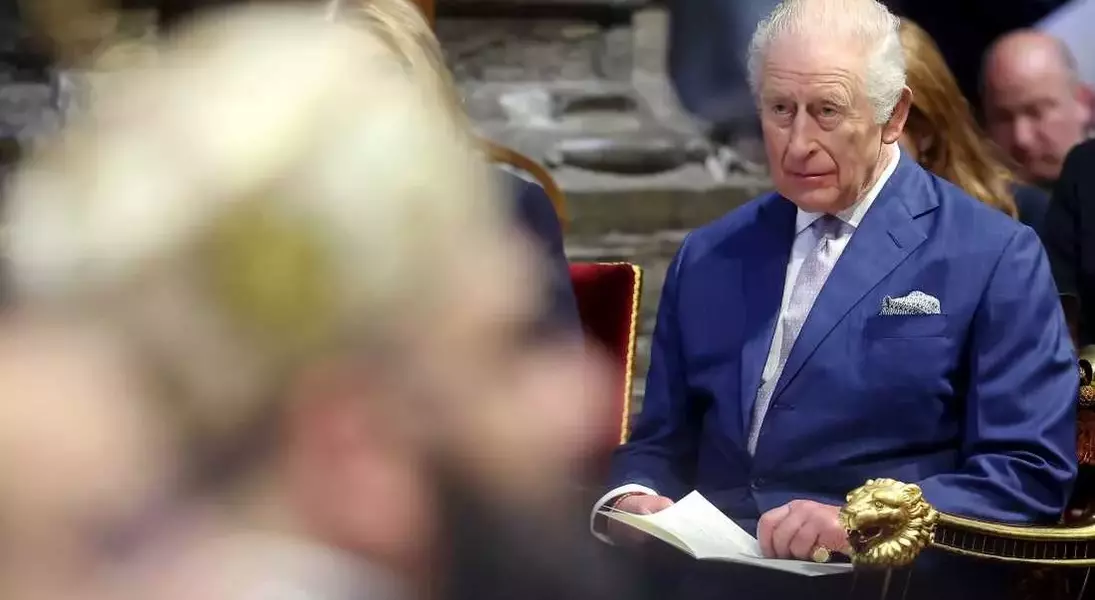
King Charles III recently shared a hopeful update regarding his cancer treatment, attributing the positive adjustment to early detection. He emphasized the profound impact that timely diagnosis can have on managing the disease and maintaining a fulfilling life, urging the public to engage with screening initiatives. This message forms part of a dedicated campaign to boost cancer awareness, a cause he has championed since revealing his own diagnosis. His candor, while maintaining privacy about the specifics of his condition, has already sparked increased public interest in cancer information and early detection methods, illustrating the power of personal narrative in promoting public health.
King Charles III's public statement regarding his cancer treatment marks a significant moment in royal communications and public health advocacy. His decision to speak openly about his battle with cancer, particularly emphasizing the benefits of early diagnosis, has transformed a personal health challenge into a powerful platform for public awareness. The monarch's experience serves as a compelling testament to the fact that early detection not only enhances treatment efficacy but also allows individuals to continue leading productive and active lives. This initiative aligns with global health efforts to reduce cancer mortality rates through preventative screenings and prompt medical intervention. The King's willingness to share his journey, even without disclosing the specific type of cancer, ensures that his message resonates broadly across various communities, highlighting the universal importance of vigilance and proactive health management.
The Royal Endorsement of Early Detection
In a powerful statement, King Charles III confirmed that his early cancer diagnosis enabled a revised and less intensive treatment plan for the upcoming year, stressing the crucial role of screening in achieving positive health outcomes. His personal narrative is a direct call to action, encouraging everyone to prioritize early detection programs, which he asserts are vital for effective treatment and the continuation of a vigorous life. This public stance has already catalyzed a notable increase in public inquiries about cancer, demonstrating the significant influence of his advocacy in promoting health awareness.
King Charles III's recent declaration about the reduction of his cancer treatment, made possible by an early diagnosis, highlights a pivotal moment in public health discourse. His 77-year-old majesty, through a televised message, passionately advocated for the widespread adoption of cancer screening programs. He underscored how timely detection dramatically improves the chances of successful treatment, allowing individuals to sustain an active and engaged lifestyle. This message is not merely a personal update but a strategic move within a broader campaign designed to elevate cancer awareness. Since the initial announcement of his diagnosis, there has been a demonstrable surge in public interest and engagement with cancer-related information in Britain, showcasing the profound impact of the King's willingness to share his experience. The Palace's deliberate choice to keep the specific details of his condition private aims to ensure that his message transcends individual circumstances, making it universally applicable and beneficial to the entire cancer community. This approach fosters a more inclusive dialogue around cancer, encouraging proactive health measures across all forms of the disease.
Impact and Awareness: A Monarch's Health Journey
King Charles III's candidness about his cancer journey has led to a significant public health campaign, with his revelation spurring increased engagement with cancer information and screening initiatives. His emphasis on early diagnosis as a life-saving measure, coupled with his own ability to maintain an active life during treatment, serves as an inspiring example. The decision to keep his specific condition private was intentional, aimed at broadening the impact of his message to benefit all those affected by cancer, underscoring the importance of collective action in health.
The monarch's decision to openly discuss his cancer diagnosis, while refraining from disclosing the specific type or treatment regimen, has been a calculated move to maximize public health impact. This intentional privacy allows his message to resonate with a wider audience, uniting individuals facing various forms of cancer under a common banner of early detection and proactive management. Following his diagnosis announcement in February 2024, British cancer charities reported a noticeable increase in public inquiries and engagement regarding cancer information, underscoring the significant influence of his public platform. The King's personal testimony, where he shared his experience of early diagnosis leading to a reduced treatment plan, has instilled hope and urgency among the populace. His return to public duties after a two-month hiatus further demonstrates the feasibility of balancing treatment with an active life, serving as a powerful role model. This approach represents a departure from traditional royal discretion regarding health matters, signaling a modern and empathetic engagement with public health issues, urging compassion paired with decisive action for early cancer detection.
