Amazon's Kindle Colorsoft, a recent entrant in the e-reader market, has sparked considerable discussion, particularly concerning its color display capabilities and pricing. Positioned against established monochrome Kindles and other brands' color e-readers, the Colorsoft aims to offer a vibrant reading experience. However, its effectiveness in delivering true-to-life colors and its value proposition remain key considerations for potential buyers. While it boasts performance comparable to the popular Paperwhite, its elevated cost and specific display characteristics prompt a detailed examination of its overall appeal.
Ultimately, for the majority of readers, the Kindle Colorsoft may not represent the most compelling investment. Its strengths are most evident when dealing with graphic novels or illustrated content where color is integral. For casual reading, or for those seeking maximum value, other e-readers, including Amazon's own Paperwhite or Kobo's color offerings, present more attractive alternatives. Nevertheless, its potential as a dedicated, distraction-free device for younger readers, particularly given the engaging nature of color content, should not be overlooked.
Evaluating the Kindle Colorsoft's Performance and Features
The Kindle Colorsoft, Amazon's latest innovation in the e-reader space, introduces a color display while striving to maintain the swift and responsive operation users have come to expect from the Kindle Paperwhite. This model is available in various configurations, including a 16GB standard version, a 32GB Signature Edition, and a Kids' variant, reflecting Amazon's strategy to cater to diverse user needs. Despite its initial rollout facing some challenges related to display discoloration, the Colorsoft has quietly re-entered the market, aiming to establish its presence in the growing segment of color e-readers. Its core features, such as a 7-inch screen, adjustable warmth, and a robust IPX8 waterproof rating, are designed to enhance the reading experience, making it suitable for various environments. The device also offers a commendable battery life, extending up to eight weeks on a single charge, ensuring prolonged reading sessions without frequent recharging.
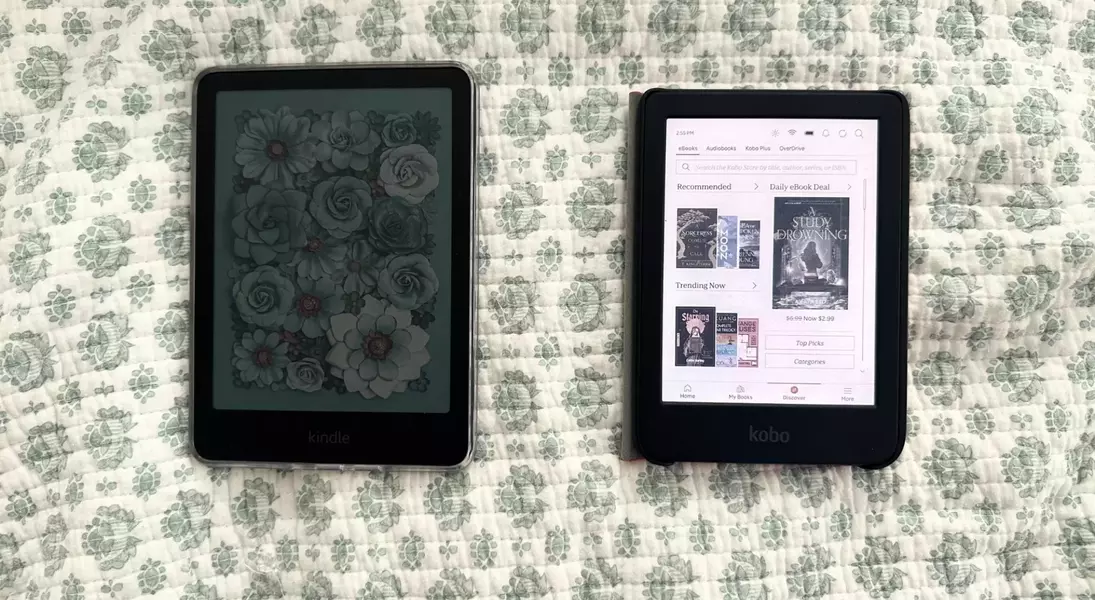
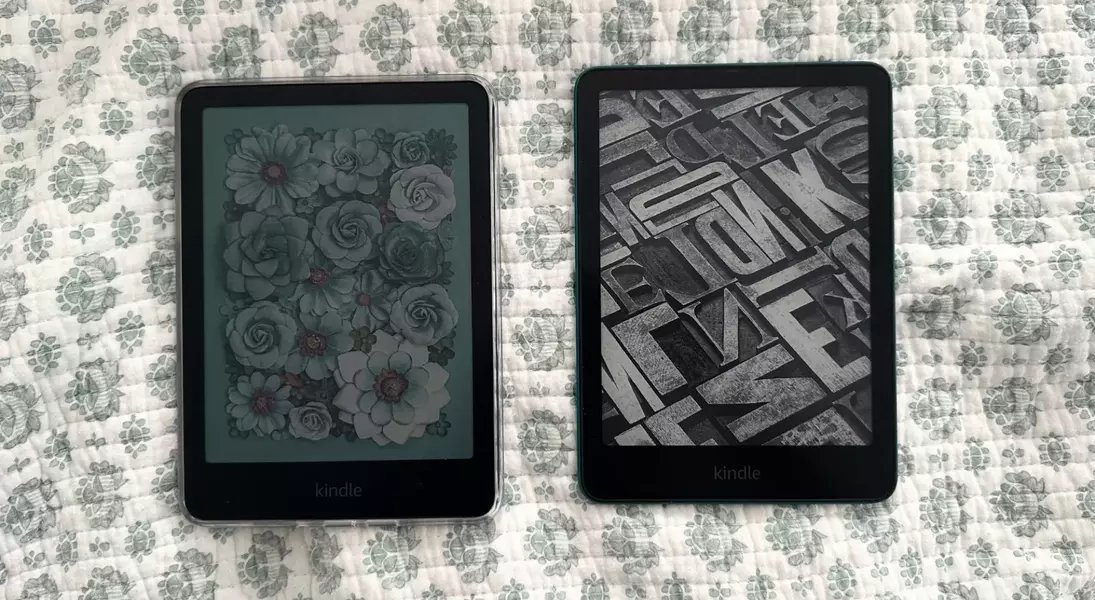
A significant aspect of the Kindle Colorsoft is its price point, which, at $249.99 for the 16GB model, positions it as a premium offering in the e-reader market. This price is notably higher than its monochrome counterpart, the Kindle Paperwhite, and also surpasses some of its direct color competitors like the Kobo Clara Colour and Libra Colour. While it matches the Paperwhite's 300 ppi resolution for black and white text, the color resolution drops to 150 ppi, a detail that impacts the vibrancy and fidelity of colored images. Furthermore, a notable omission is the lack of auto-adjusting brightness, a feature reserved for the more expensive Signature Edition. Despite these considerations, the Colorsoft distinguishes itself by providing an ad-free home screen, a welcome bonus that adds to the user experience. The color display, while generally pleasing, does exhibit some muting compared to physical books or tablet screens, and occasional screen flashing when switching pages in color mode is a common characteristic of current color e-ink technology.
Color Display and Market Positioning
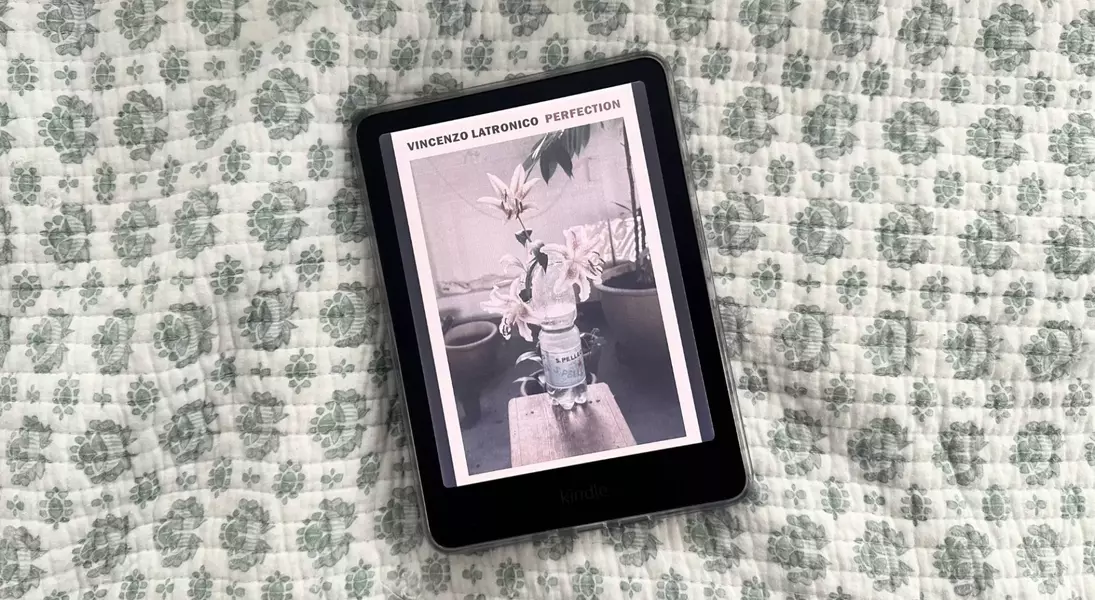
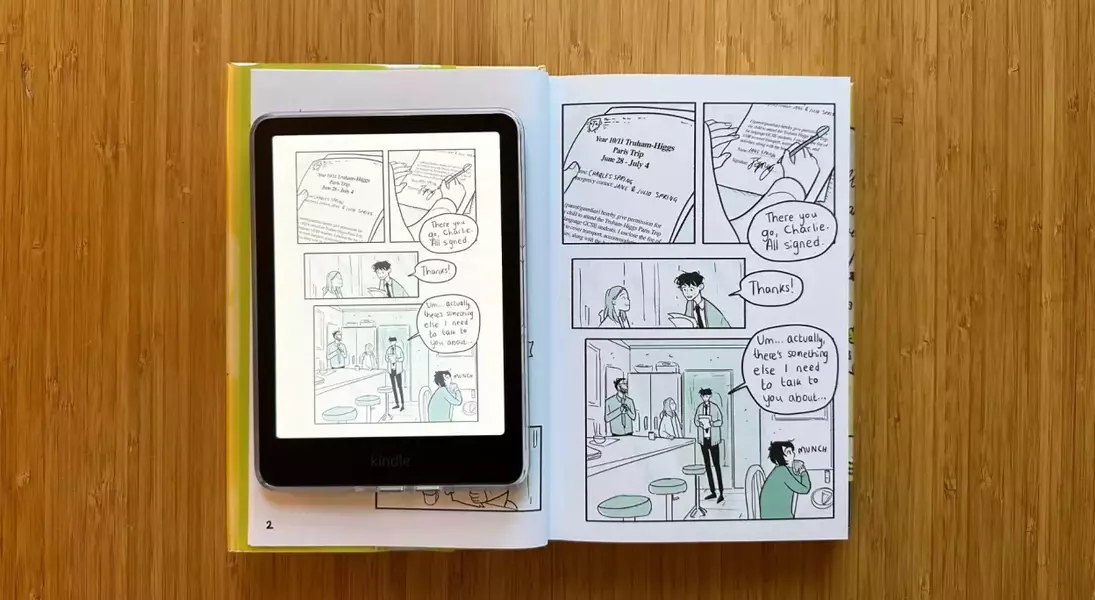
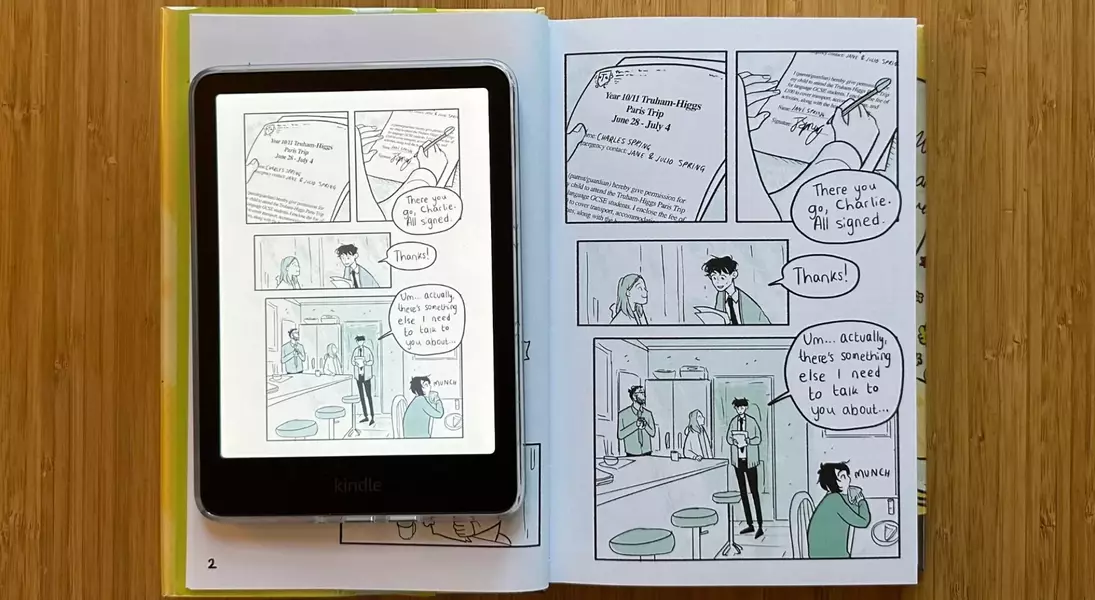
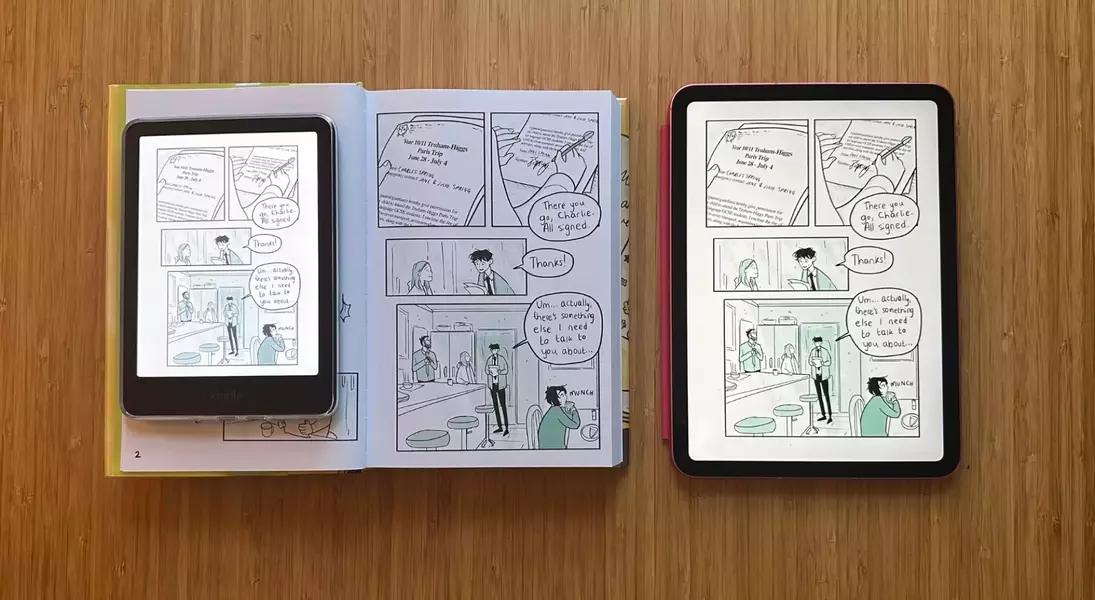
The standout feature of the Kindle Colorsoft is undoubtedly its color display, which represents Amazon's foray into a segment previously dominated by other brands. While the device capably renders colors, it does so with a somewhat subdued palette compared to the vividness found in physical books or on high-resolution tablet screens. This subtle difference is particularly noticeable when comparing graphic novels or comics on the Colorsoft to their printed versions or digital counterparts on devices like an iPad. The inherent limitations of current color e-ink technology mean that achieving the same level of contrast and vibrancy as traditional displays remains a challenge. Consequently, users prioritizing punchy, true-to-life colors for highly visual content might find tablets to be a more suitable option, as color e-ink technology continues to evolve and improve.
In terms of market positioning and overall value, the Kindle Colorsoft faces stiff competition. For most avid readers, who primarily consume text-based books, the added cost of a color display may not justify the investment, especially when more affordable and equally efficient monochrome Kindles are available. The Colorsoft truly shines for specific niches, such as readers of graphic novels, comics, or children's books, where color significantly enhances the storytelling. For these users, the device offers a unique, less distracting alternative to tablets. However, for those seeking the best balance of features and price in a color e-reader, alternatives like the Kobo Clara Colour or Libra Colour might offer a more compelling proposition, often at a lower price point while delivering comparable or superior color performance. This makes the Colorsoft a considered purchase, best suited for those with specific content preferences or a desire for a dedicated, color-capable e-reading device for a younger audience.
