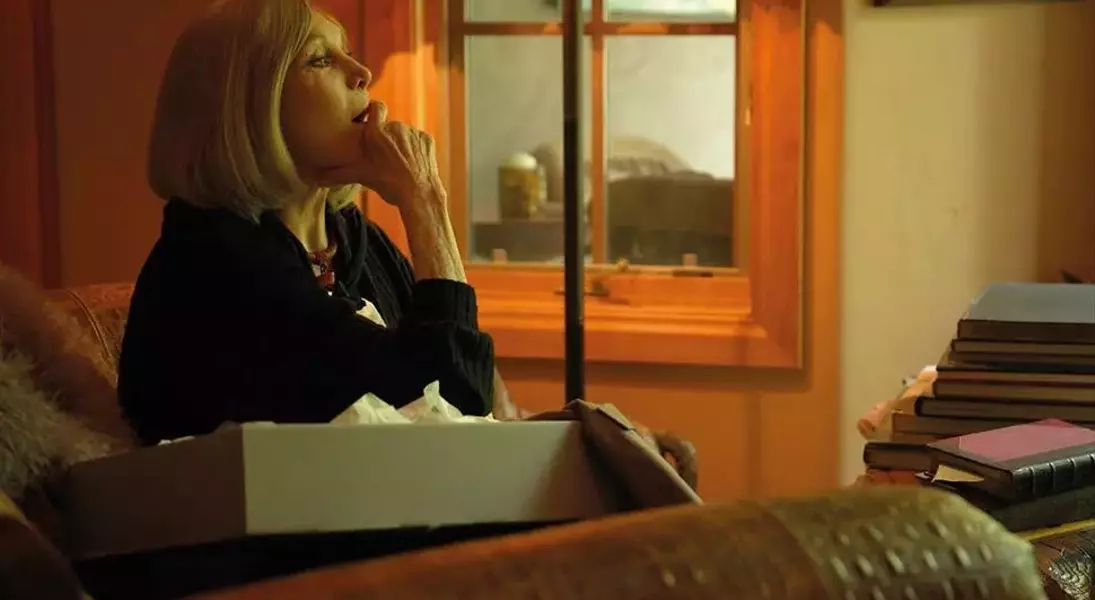
A recent documentary, titled 'Kim Novak's Vertigo,' invites audiences into the private world of Hollywood icon Kim Novak, shedding light on her reflections after years of self-imposed seclusion. This cinematic portrait, crafted by Alexandre O. Philippe, delves into Novak's experiences, offering candid insights into her career, her complex relationship with fame, and her enduring artistic spirit. The film explores her seminal role in Hitchcock's 'Vertigo,' revealing how the themes of identity and perception within the movie resonated deeply with her personal journey. Beyond her acting career, the documentary highlights her profound connection to painting, an art form she embraced as a means of survival and self-expression, demonstrating her resilience and unique perspective on life.
Novak's return to public attention in 2014, specifically at the Oscars, brought an unwelcome resurgence of public scrutiny, particularly concerning her appearance. This incident underscored the persistent misogyny and ageism within the entertainment industry, validating her earlier decision to withdraw from the Hollywood machine. The documentary navigates these sensitive topics with grace, allowing Novak to articulate her thoughts on a life lived under the spotlight and the peace she found in detachment. Her narrative extends beyond mere anecdotes, offering profound meditations on her craft, personal relationships, and the inherent conflicts faced by women in an industry often dominated by male aspirations.
Director Alexandre O. Philippe, known for his incisive cinematic explorations, approaches this subject with a palpable respect and warmth. The film benefits immensely from the relaxed rapport between Philippe and Novak, which facilitates a remarkably open dialogue. Interspersed with their conversations are poignant voice notes from Novak, revealing a more melancholic and vulnerable side, particularly as she contemplates life's latter stages. These moments underscore her desire to "free something that's been in the closet of her mind," signaling a deep-seated need for catharsis and self-disclosure.
The documentary meticulously traces Novak's evolution as an actress, from her early ingenue roles to her more complex portrayals as a femme fatale, and later, her exploration of more liberated characters. Her dual role in 'Vertigo' is central to the film, as Novak openly discusses the making of the movie and its lasting impact on her psyche. She eloquently describes how the tension between her characters in 'Vertigo' mirrored her own struggle to maintain identity in an industry that sought to define and control her. A particularly touching scene involves her rediscovering Madeleine's grey suit, symbolizing her acceptance and fondness for a past she once found confining.
Ultimately, 'Kim Novak's Vertigo' is not merely a celebrity profile but a thoughtful exploration of identity, resilience, and the pursuit of authenticity. It serves as a rare and precious firsthand account from a living legend of Hollywood's Golden Age, offering a window into the industry's joys, challenges, and transformative power. The film celebrates Novak's journey of self-discovery, demonstrating that with age comes a beautiful perspective, where even past hardships are viewed as integral parts of a rich and meaningful life.
