
In an era characterized by rapid innovation and a packed cultural calendar, brands must adapt their strategies to effectively engage with consumers. The upcoming year, 2026, is poised to usher in significant shifts in consumer trends, influenced by a blend of digital engagement and a noticeable desire for real-world experiences. From a growing appreciation for darker humor to the pursuit of digital detox as a luxury, and the evolution of content creation from user-generated to co-created, these trends signal a dynamic landscape for businesses. Understanding these shifts is crucial for brands aiming to resonate with an increasingly discerning and multifaceted consumer base.
Anticipating 2026: Emerging Consumer Behaviors and Market Shifts
The year 2026 is set to unveil a fascinating transformation in consumer behavior, marked by several compelling trends that will reshape brand engagement. One prominent shift is the embrace of 'unseriousness' and a penchant for darker humor. Following 2025's digital phenomena like 'AI slop' and fleeting online trends, consumers are gravitating towards more esoteric, ironic, and darkly comedic content. This evolution, driven by the prevalence of low-quality memes and surreal AI-generated videos, serves as a coping mechanism against global uncertainties, offering moments of strategic joy and lightheartedness. Brands that can authentically tap into this nuanced humor without being tone-deaf will find resonance, though an increasing rejection of 'AI slop' also points to a renewed desire for authentic, human-centric creations.
Simultaneously, the concept of luxury is undergoing redefinition. While some remain immersed in the digital world, a growing segment views 'switching off' as the ultimate indulgence. Forecasts predict a rise of 'great exhaustion' by 2026, leading consumers to prioritize conserving time and energy. This fatigue, stemming from constant exposure to global crises, will fuel the 'slow punk' movement, where intentional slowness and alignment with natural rhythms become paramount. Brands are expected to encourage moments of boredom, fostering creativity and guilt-free rest, and exploring digital detox as a wellness practice. This trend extends to online behavior, with consumers seeking quieter, more intimate digital spaces like Pinterest, Reddit, and Discord, shying away from the incessant demands of mainstream social media.
The pursuit of self-optimization is also evolving. Post-pandemic, many tracked every aspect of their health. However, in 2026, a more compassionate approach to well-being will emerge, focusing on 'rhythmic health.' Consumers will prioritize listening to their bodies' natural cycles, such as circadian rhythms and hormonal shifts, over constant productivity. This means brands will need to shift their messaging from relentless motivation to endorsing rest, variability, and recovery, offering products and services that support a more balanced lifestyle.
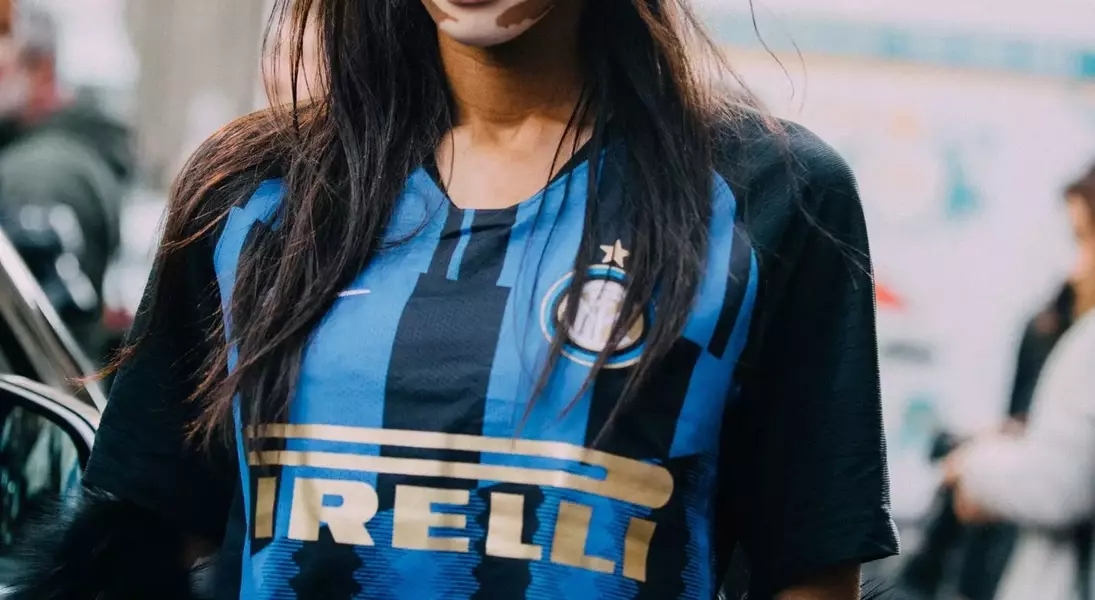
Moreover, 'everyday cosplay' and 'superfandom' are gaining significant traction. In an uncertain world, the need for belonging is amplified, leading to deeper parasocial relationships. The global appeal of phenomena like K-pop and the enthusiastic fan engagement seen in film promotions underscore the power of superfandom. Merchandise allows consumers to express admiration and solidify their identity within a community. Brands are capitalizing on this by collaborating with artists and entertainment franchises, offering exclusive collections and immersive in-person events that transform viewers into active collaborators.
Finally, major sporting events, such as the 2026 World Cup across North America, will exert immense cultural influence. With a majority of sports fans, particularly Gen Z, utilizing multiple social media platforms to follow sports, these events will create unparalleled cultural moments. Brands must embrace the 'language of shareability' – short edits, fan reactions, and authentic athlete narratives – moving at the speed of culture. This shift indicates that influential commentary may increasingly come from fans themselves, co-creating the narrative in real-time. This emphasis on co-creation marks a broader trend away from saturated user-generated content, with AI facilitating consumer involvement in product design and brand strategy. While the world faces sociopolitical and economic volatility, consumption patterns are not slowing down but bifurcating: a segment gravitating towards algorithmically generated, low-friction content, and another valuing products and experiences imbued with visible human intention and authenticity.
These converging trends highlight a complex and nuanced consumer landscape for 2026. For businesses, the challenge and opportunity lie in navigating these shifts, offering genuine value, fostering community, and respecting consumers' evolving needs for authenticity, well-being, and connection in both digital and physical realms. The brands that understand and adapt to these profound shifts will undoubtedly be the ones that thrive in the coming years.
