




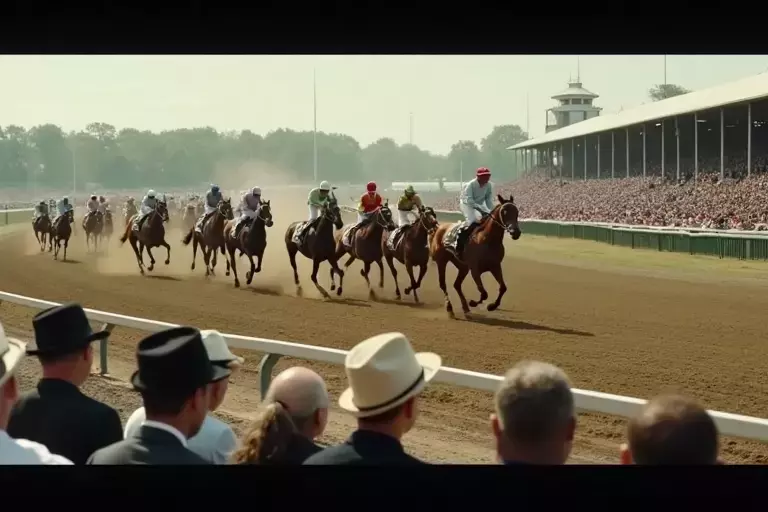


The Kentucky Derby 2025 is stirring up debates over its qualification system, with some horses drawing criticism for their inclusion despite lackluster performances. The points-based formula has led to controversial entries such as Publisher, a horse yet to win a race, raising questions about fairness and tradition in the prestigious event. Meanwhile, another contender, Baeza, faces exclusion due to rule adjustments affecting his point tally.
This year’s Derby highlights a broader issue regarding maiden horses' participation. Historically, only three maidens have ever triumphed in the Derby, sparking discussions on whether such inexperienced competitors should even be allowed entry. As experts weigh in on potential reforms to the qualification process, the focus remains on preserving the integrity and allure of this iconic race.
Questioning the Entry Criteria
The current qualification system for the Kentucky Derby is under scrutiny, particularly concerning Publisher's inclusion. Despite never leading or winning a race, Publisher secured a spot through a points structure that critics argue favors mediocrity. This situation parallels debates in collegiate sports where team selections sometimes appear influenced by external factors rather than merit alone.
Publisher's presence in the Derby raises significant concerns about the validity of the points system. While it is not a case of deliberate manipulation, the formula used to allocate spots seems flawed, allowing horses without competitive achievements to participate. Supporters might argue that any horse can win given the right circumstances, but this does not justify altering the fundamental principles of the race. For instance, Publisher’s odds stand at 40-1, indicating low expectations from betting markets, yet he still holds a position ahead of more accomplished contenders.
Moreover, historical context adds depth to the debate. In earlier years, field sizes were less regulated, enabling occasional maiden victories like those of Buchanan in 1884 and Sir Barton in 1919. However, modern rules impose stricter limits on entrants, making each slot increasingly valuable. Therefore, prioritizing horses with proven track records over untested ones aligns better with the spirit of competition and respect for tradition. Some propose revising the points distribution based on race quality and participant numbers, ensuring more deserving candidates gain access while discouraging exploitation of loopholes.
Reforming the System for Future Derbies
Beyond individual cases like Publisher and Baeza, there exists a pressing need to address systemic issues within the Kentucky Derby qualification process. Adjustments to the points system could enhance fairness and reduce controversy surrounding entrant selection. One proposal involves penalizing races with insufficient participation, thereby encouraging larger fields and reducing opportunities for undeserving horses to qualify.
Trainer Ron Moquett suggests increasing point allocations for preps featuring substantial turnout, though this approach risks undervaluing high-quality smaller races. Alternatively, implementing a rule disqualifying races attracting minimal entries could streamline the process effectively. By providing ample notice before removing events from the Derby trail, trainers would adjust schedules accordingly, minimizing disruptions and fostering healthier competition dynamics.
Additionally, reevaluating conditions for subsequent Triple Crown races like the Preakness Stakes becomes crucial. Current regulations permit Kentucky Derby participants automatic entry into the Preakness regardless of performance level, potentially diminishing the latter’s prestige. Allowing fifth-place finishers who remain maidens to compete further complicates matters, as seen in recent instances where poorly performing horses continued in the series. Establishing clearer criteria addressing these scenarios ensures continuity and maintains the legacy of America’s most celebrated horseracing events. Ultimately, reform efforts must balance innovation with preservation, safeguarding the essence of what makes the Kentucky Derby so special.
