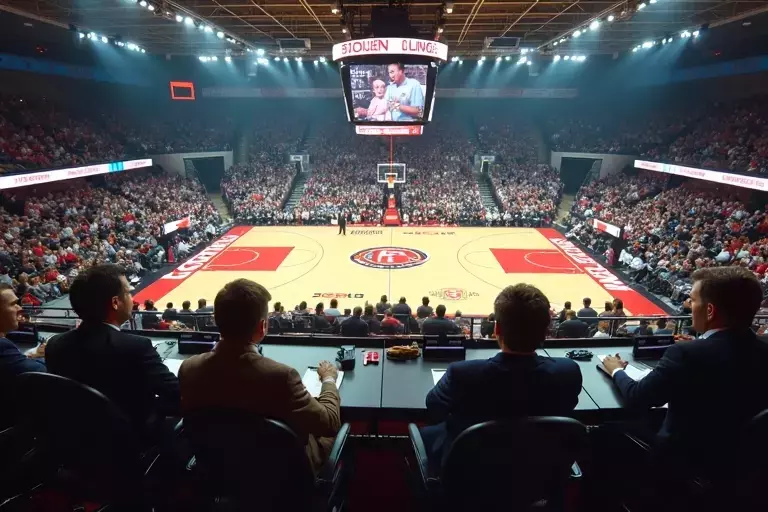

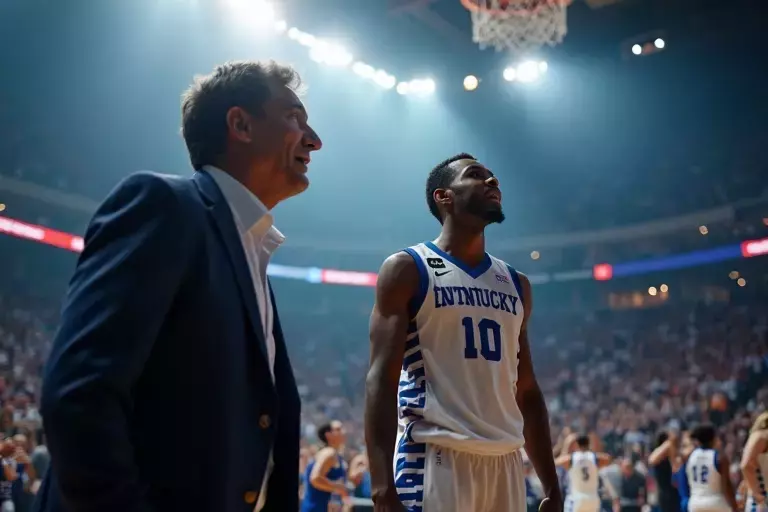
In the contemporary landscape of college basketball, Kentucky's program under John Calipari has set a precedent for one-and-done players. This trend has shifted the traditional bonds between athletes and their alma maters. As evidenced by Shai Gilgeous-Alexander, now an NBA MVP leading the Oklahoma City Thunder to the finals, the connection with former teams like Kentucky is often lukewarm. While pride exists in his brief tenure, deeper ties are scarce. With the advent of transfer privileges, name/image/likeness rights, and evolving player dynamics, programs increasingly resemble franchises focused on business over loyalty. Travis Perry’s departure exemplifies this shift, as does the challenge faced by multi-school athletes in defining their roots. Beyond championships or standout achievements, lasting connections demand more than just participation.
The Changing Dynamics of College Basketball Loyalty
In the vibrant autumn of modern sports culture, Kentucky basketball finds itself at a crossroads. The era defined by Coach John Calipari's strategic approach to roster turnover has ushered in a new paradigm where players spend mere months within the Wildcats' fold before venturing into professional realms. Shai Gilgeous-Alexander, now a luminary in the NBA, represents this transformation vividly. His journey from Kentucky to stardom lacks the fervor once associated with alumni success stories due to minimal campus presence. Despite contributing to the 2017-18 SEC Tournament victory—a feat unmatched since—his legacy remains overshadowed by early exits like the loss to Kansas State.
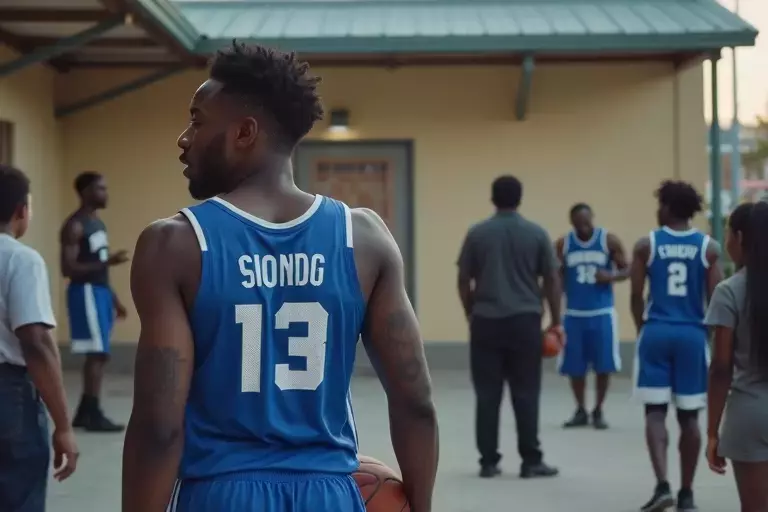
Recent developments highlight shifting allegiances. Players such as Travis Perry opt for transfers rather than enduring longer commitments, reflecting broader trends reshaping collegiate athletics. Meanwhile, figures like Tre Mitchell navigate complex identities shaped by multiple institutions. These transitions challenge established notions of program loyalty. To foster enduring relationships, initiatives beyond game attendance—like summer workouts, mentorship programs, or community outreach events—are essential. Such efforts could redefine how former players perceive and engage with their original programs.
From a journalistic standpoint, observing these transformations offers valuable insights. The narrative underscores the necessity for adaptability in maintaining meaningful connections amidst evolving industry standards. As programs evolve into corporate entities prioritizing results, cultivating genuine human bonds becomes crucial. Readers might reflect on whether transient athletic careers diminish emotional investments or if innovative strategies can preserve cherished traditions. Ultimately, embracing change while honoring heritage will determine the future trajectory of college basketball legacies.
