In the expansive realm of indie gaming, a new sensation has emerged that demands both sharp reflexes and a word of caution for those with delicate wrists. This rapid-fire title, a roguelike called Kaz, promises an addictive yet physically demanding experience. Its minimalist design belies a deeply engaging gameplay loop that compels players to return, even at the risk of physical strain. Imagine an arcade game from a bygone era, infused with modern roguelike mechanics, and you have a glimpse into the world of Kaz.
Dive into the Lightning-Fast World of Kaz
From the creative minds at Kalinarm, Kaz presents itself as a compact yet captivating roguelike adventure, now accessible on Steam for a modest $7. This pricing aligns perfectly with its focused scope, offering an elegant arcade experience designed for endless replayability. However, heed the developer's unspoken warning: prepare your finest keyboard and perhaps an ice pack, for this game will test your limits.
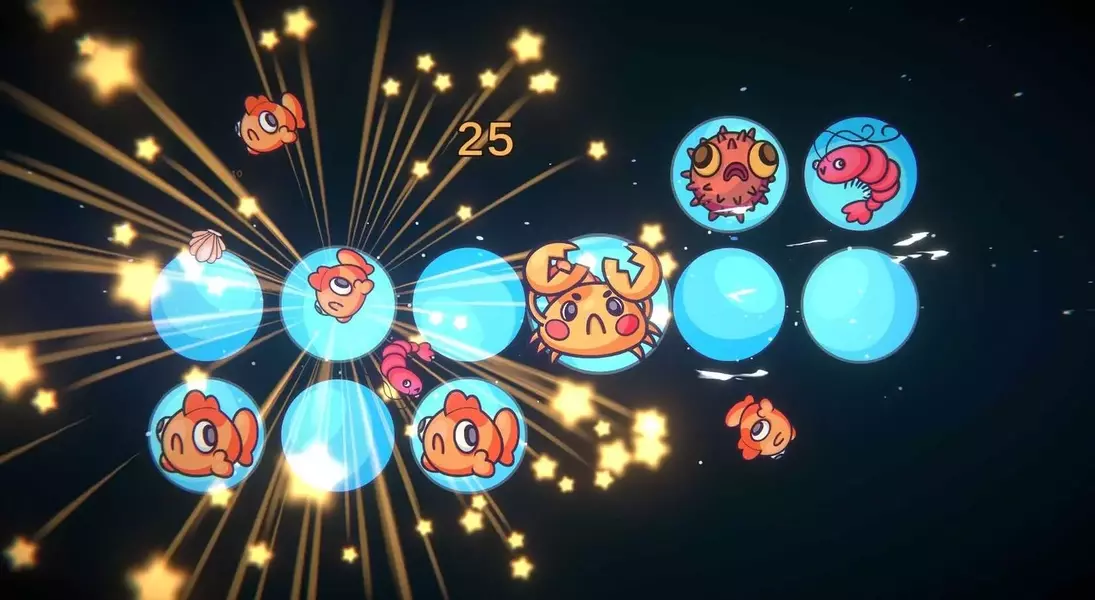
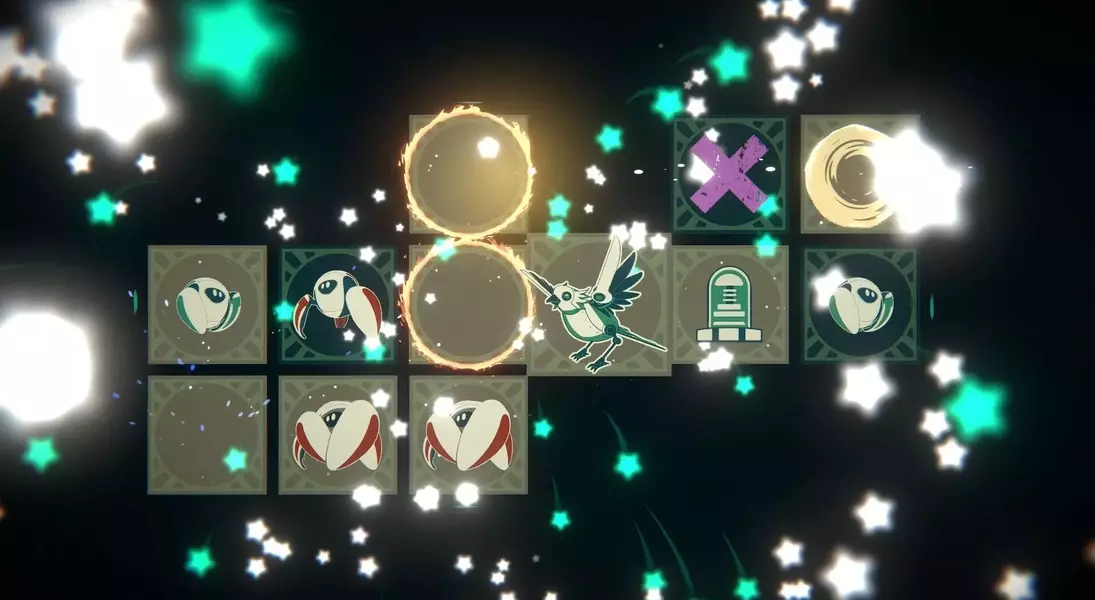
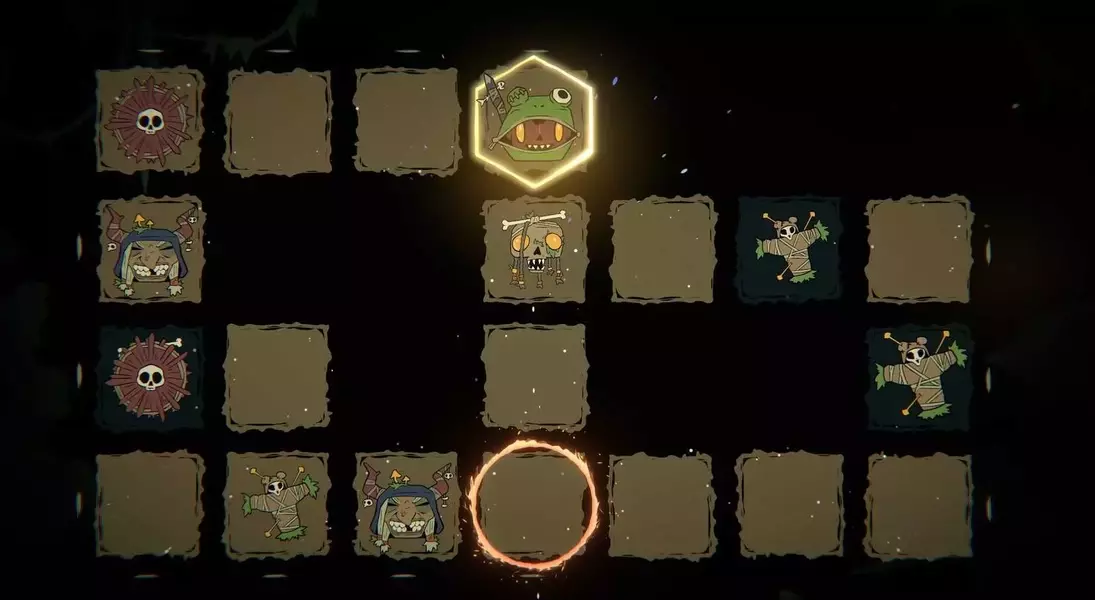
The core objective of Kaz is deceptively simple: navigate a fragmented dungeon crawler, vanquishing a sufficient number of foes to achieve a set score before a mere 15-second timer expires in each level. This concept is delivered with a browser-game aesthetic reminiscent of the Flash era, where your chosen avatar is dropped onto a gridded arena. Enemies materialize within these squares, and your task is to swiftly move to their location using WASD or arrow keys to defeat them. While dance pad compatibility is a whimsical option, the sheer intensity of gameplay suggests a more conventional input method for most players.
What makes Kaz so uniquely compelling is its lightning-fast pace, transforming it into a true test of reflexes. Success hinges on instinct and well-honed muscle memory as you strive to meet score targets, all while expertly sidestepping traps and dispatching shielded adversaries with precision. This seemingly straightforward premise is precisely what makes Kaz an irresistible 'just one more level' game. The allure of perfecting one's 'typing speed' against the clock creates a powerful urge for continuous play, a phenomenon observed even as wrists begin to protest.
Kalinarm masterfully expands upon this core mechanic with several ingenious additions. A 'Balatro-like' roguelike system introduces a new perk selection between each stage. These passive enhancements range from increased points per enemy, extended combo multipliers, adjusted enemy spawn rates, to even equipping your avatar with lasers. This creates an unexpected depth in build customization. One play-through might see a player stacking combo-related perks to maximize score, while another focuses on spawning secret stars for additional points. The sheer variety of unlockable buffs allows for the creation of incredibly potent and satisfying builds.
Balancing this power fantasy is a clever risk-reward system. Colliding with traps inflicts 'curse damage', and filling your curse meter results in a negative perk selection at the end of the level. This intelligent design compels more strategic thinking in later stages, discouraging frantic button-mashing. Intriguingly, even these negative perks can sometimes be manipulated to a player's advantage. Imagine a run where a curse that increases the spawn rate of evasive enemies perfectly synergizes with perks designed to make such foes more valuable.
Perhaps the most charming detail is the unique thematic transformation each playable avatar brings. Beyond their distinct starting perks, every character unlocks a completely different visual theme for the grid. One might pursue malevolent skeletons, while another, a rabbit, chases after carrots and apples. This delightful trick imbues the repetitive act of navigating a maze with a fresh sense of discovery each time a new character is selected. The potential for community-driven content, with modders or other developers contributing new themes, could further amplify this engaging aspect.
While Kaz's intensity might limit extended play sessions, it solidifies its place as a cherished standby. It beautifully encapsulates the spirit of classic Flash games from the early 2000s, readily found on platforms like Newgrounds: simple to grasp, yet daring players to achieve mastery by proudly displaying their performance statistics after each level. Even after stepping away, the urge to return for another exhilarating run remains, a testament to its compelling design, albeit one that wisely suggests a day's rest for weary wrists before plunging back into the action.
The Enduring Appeal of Fast-Paced Roguelikes
The rise of games like Kaz underscores a fascinating trend in the gaming world: the enduring appeal of fast-paced, mechanically simple yet deeply challenging experiences. In an era dominated by sprawling open-world epics and complex narratives, titles like Kaz offer a refreshing return to core gameplay loops that prioritize skill, reflexes, and strategic thinking within tight constraints. This game, much like its spiritual predecessors in the Flash gaming era, proves that innovation doesn't always require immense budgets or photorealistic graphics. Instead, it thrives on clever design, an understanding of player psychology, and the ability to craft an experience that is both instantly gratifying and infinitely replayable. The integration of roguelike elements provides a constant sense of progression and variety, preventing repetition from becoming stale. Furthermore, the explicit 'health warning' about wrist strain ironically highlights the game's addictive quality, suggesting a level of engagement so profound that players will push their physical limits. This delicate balance of accessibility, depth, and intensity ensures that Kaz will likely carve out a dedicated niche among players who appreciate the thrill of true arcade mastery and the satisfying grind of refining their skills.
