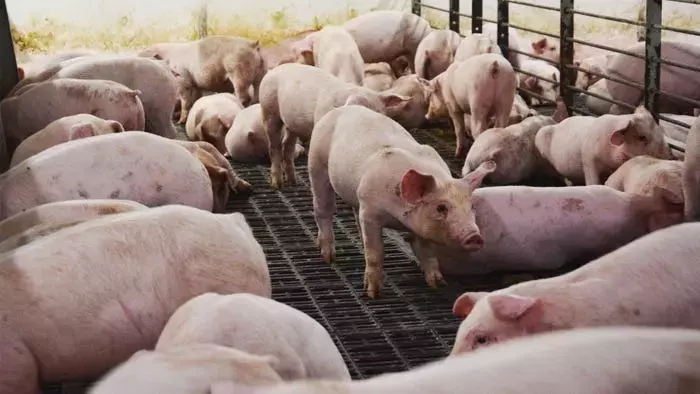
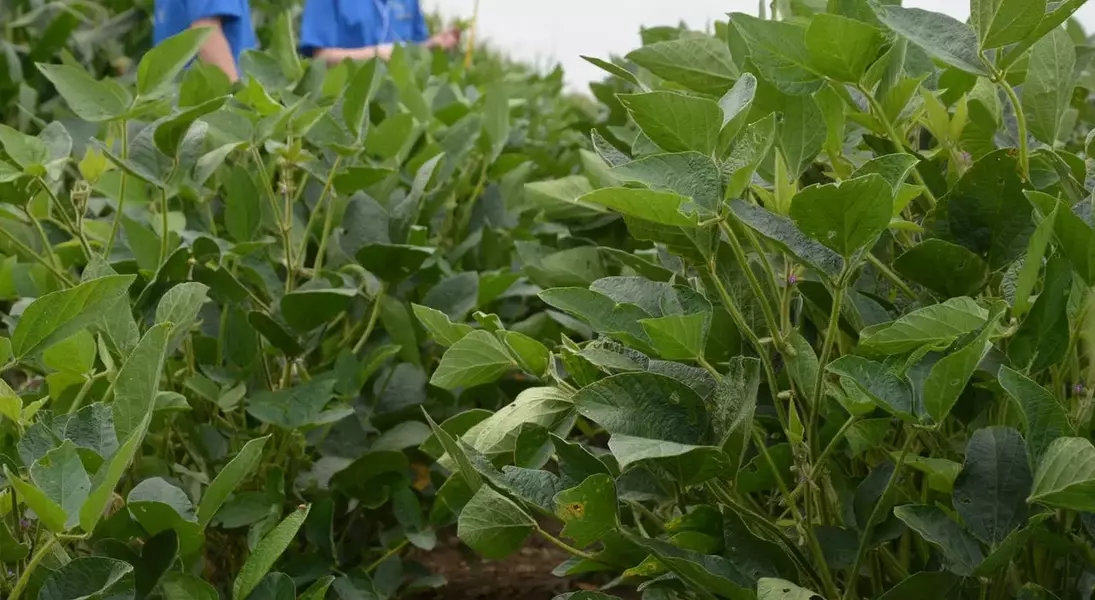
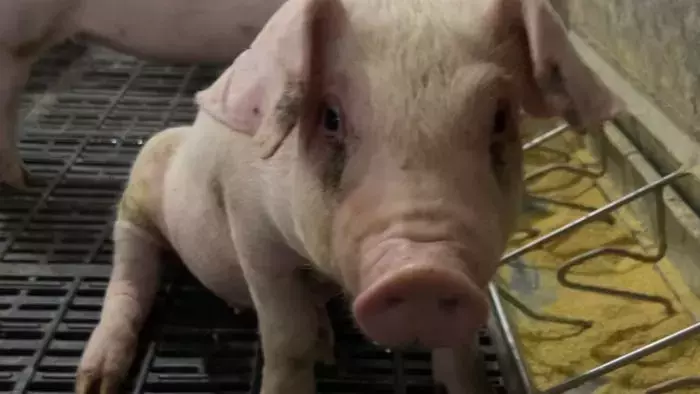
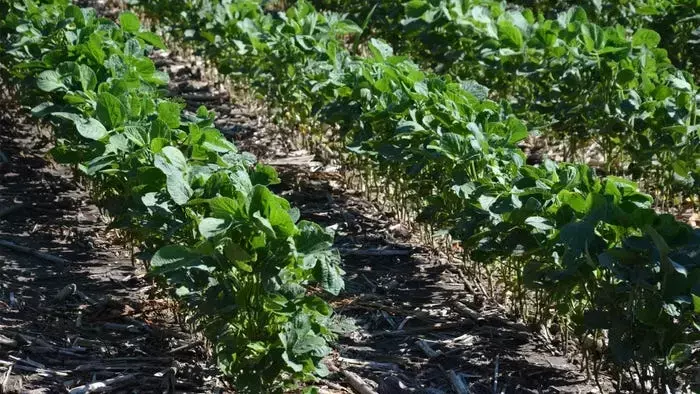
A recent study conducted by Kansas State University sheds new light on the nutritional value of soybean meal byproducts in swine diets. The research, which analyzed samples from various soybean processors, indicates that these often-overlooked components can contribute positively to the growth of nursery pigs. This revelation could reshape feed formulation strategies, offering swine producers a potentially more economical and effective way to nourish their herds while maximizing resource utilization.
Kansas State University Uncovers Nutritional Advantages in Soybean Byproducts
In a compelling new study, scientists at Kansas State University have unveiled promising insights into the use of soybean meal byproducts in the diets of young pigs. Dr. Katelyn Gaffield, an esteemed assistant research professor in swine nutrition at K-State, spearheaded this groundbreaking investigation. The research commenced following a comprehensive survey of 15 soybean processing facilities, revealing a surprising variation in the composition of their soybean meal products. Specifically, several processors were found to be reincorporating soybean gums and soapstocks back into the meal, a practice previously not widely recognized in animal nutrition circles.
Dr. Gaffield’s primary inquiry focused on understanding the nutritional ramifications of these added byproducts on swine diets. The initial phase of their research, conducted on nursery-aged hogs, showed minimal differences in growth rates between pigs fed with and without these byproducts. However, as the pigs advanced through the nursery phase, a notable advantage emerged: those consuming soybean meal enriched with byproducts exhibited a slight, yet significant, improvement in average daily gain. This enhanced performance, according to Dr. Gaffield and her team, is likely attributable to the residual oil and inherent energy present within the gums and soapstocks.
A critical takeaway from this comprehensive study is the assurance for producers that the inclusion of these soybean byproducts does not negatively impact animal performance. In fact, the research suggests a potential for minor performance enhancements due to the additional oil content. Michael Springer, who operates Springer Family Foods, a prominent farrow-to-finish swine enterprise in southeastern Kansas, emphasized the importance of feed consistency. He typically sources soybean meal from a single processor to maintain uniformity in his animals' diets. Springer also highlighted his reliance on K-State nutritionists to guide any adjustments to his feed formulations, underscoring the vital role of expert nutritional advice in modern farming practices.
Looking ahead, Dr. Gaffield’s team is now focused on exploring the feasibility of incorporating these byproducts at higher inclusion levels. Currently, these components are typically added at a modest rate of 0% to 2%. The next phase of research aims to ascertain if increasing this percentage could transform these byproducts into a more affordable and potent energy source for swine. This ambitious endeavor holds the potential to establish a valuable new market for these materials, benefiting both soybean processors by providing an alternative outlet for their byproducts and swine producers by offering a cost-effective and nutritionally advantageous feed ingredient.
The Future of Swine Nutrition: Unlocking the Potential of Byproducts
This pioneering research from Kansas State University serves as a powerful reminder that innovation often lies in re-evaluating what we traditionally consider waste. The findings regarding soybean meal byproducts in swine diets are more than just a scientific breakthrough; they represent a significant step towards a more sustainable and economically efficient agricultural future. As a journalist, I find this particularly inspiring. It highlights how dedicated scientific inquiry can uncover hidden value in existing processes, transforming what was once merely managed into a valuable resource. For the broader agricultural community, this study underscores the importance of collaboration between academic institutions and farming operations. It shows how applied research directly translates into practical benefits for producers, optimizing animal health and profitability. The idea of turning a byproduct into a primary, cost-effective energy source for livestock is not just smart farming; it's a testament to human ingenuity in pursuit of efficiency and sustainability.
