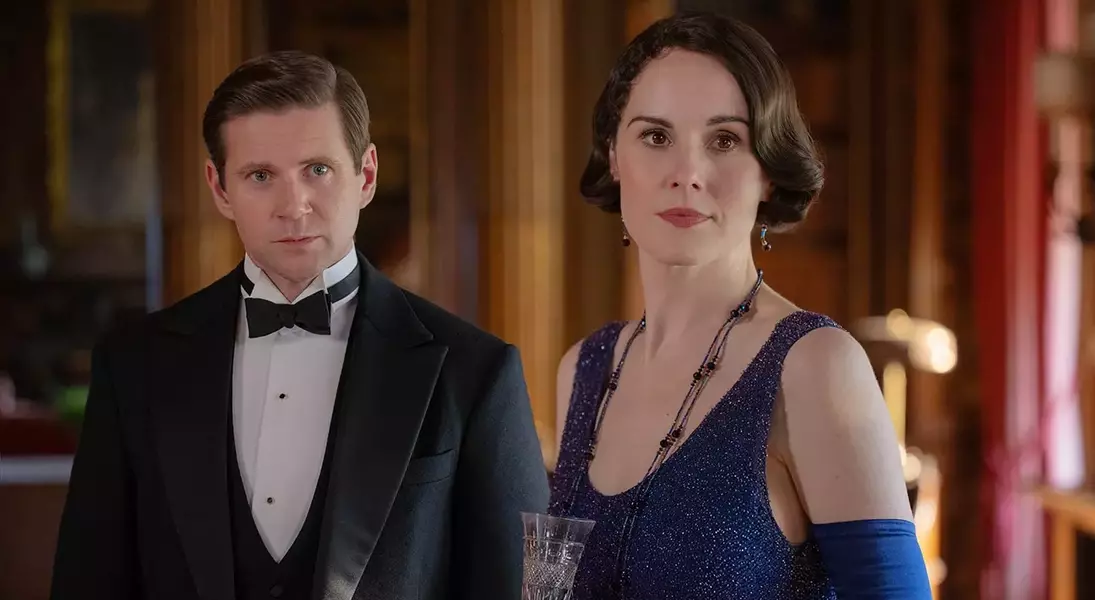
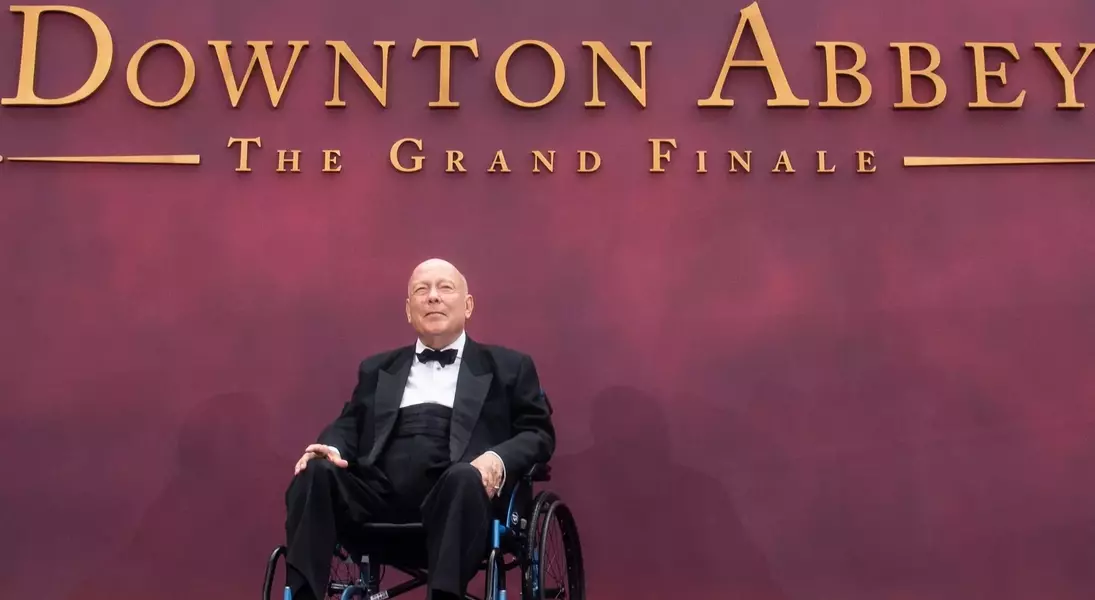
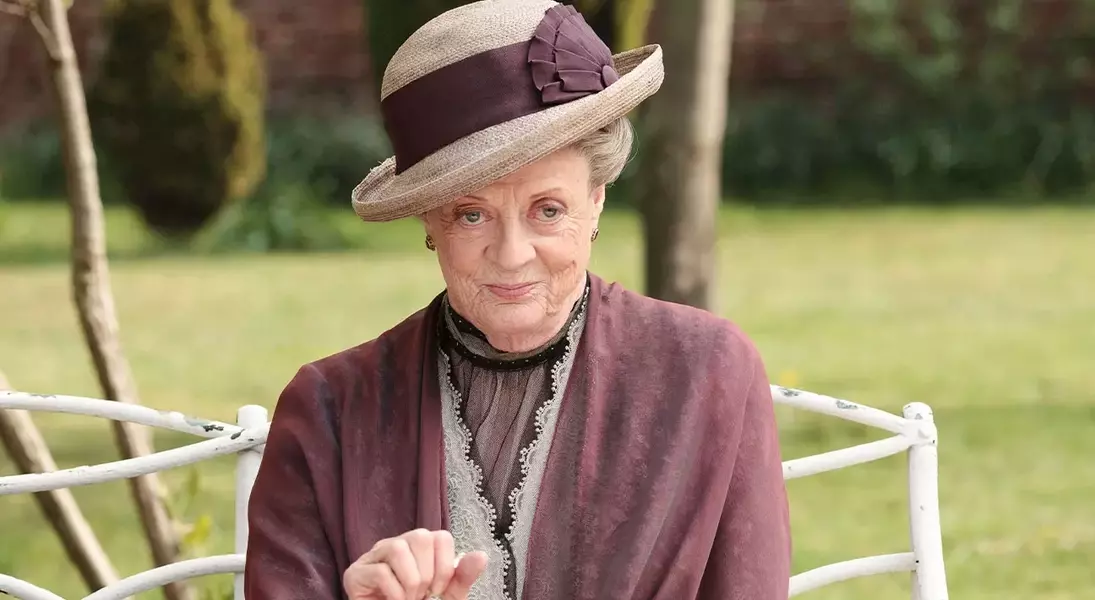
Julian Fellowes, the esteemed writer and creator behind the global phenomenon 'Downton Abbey', recently shared his reflections on the fifteen-year journey of the beloved series as it culminates with 'Downton Abbey: The Grand Finale'. Fellowes delved into the profound impact of the show, its unique ability to resonate with audiences worldwide, and the decision to gracefully bring its narrative to a close. He paid tribute to the legendary Maggie Smith, whose portrayal of Violet Crawley became an iconic part of the show's charm, and discussed the evolving landscape of the Crawley family within a changing world. Furthermore, Fellowes provided insights into his current endeavors, particularly his work on HBO's 'The Gilded Age', highlighting the distinct creative challenges and experiences each project presents.
The journey of 'Downton Abbey' began with Julian Fellowes' critically acclaimed screenplay for 'Gosford Park' in 2001, a project that earned him an Oscar. It was during this period that Fellowes forged a lasting friendship with Maggie Smith, an actress whose talent he deeply admires. He recounted a memorable incident during the filming of 'Gosford Park' where Smith's intervention saved a line he cherished from being cut by director Robert Altman, showcasing her intuitive understanding of character and dialogue. This anecdote highlights the deep respect and collaboration that defined their professional relationship, a bond that would significantly influence the success and emotional depth of 'Downton Abbey'.
Fellowes meticulously crafted all six seasons of 'Downton Abbey', which aired from 2010 to 2015, before extending the saga into three cinematic features, with 'Downton Abbey: The Grand Finale' marking its conclusion. The third film was intentionally designed as a tribute to Maggie Smith, with her character, Violet, subtly influencing the narrative even in her absence. Fellowes emphasized Smith's remarkable ability to deliver both comedic and poignant moments, a rare gift that enriched the show's emotional tapestry. The decision to conclude the series was a deliberate one, driven by the desire to end on a high note and avoid stretching the narrative beyond its natural lifespan, a sentiment shared by the cast members who had formed strong bonds over the years.
The enduring popularity of 'Downton Abbey' in America, where it garnered numerous accolades including 15 Emmys and 3 Golden Globes, stands in contrast to its more subdued reception from the British Academy. Fellowes expressed immense gratitude for the American audience's embrace of the show, viewing their enthusiasm as a validation of its universal appeal. He attributes the series' widespread success to its inherent warmth and optimism, coupled with its nuanced portrayal of both the upstairs and downstairs residents of Downton. Unlike typical period dramas that often caricature characters, 'Downton Abbey' presented its cast as individuals striving to make the best of their circumstances, fostering a sense of empathy and connection with viewers.
Reflecting on key moments, Fellowes singled out three plot points that particularly resonated with him: Sybil's poignant death in season three, Edith's dramatic jilting, and a powerful scene between a grieving Mary and Violet. These moments, often born from the actors' improvisations and profound understanding of their roles, exemplified the collaborative spirit of the production. While Fellowes acknowledges the unpredictable nature of show business, he confirms that the doors to Downton have likely closed for good. His focus has now shifted to 'The Gilded Age', a show he describes as a more challenging yet equally rewarding venture, with its distinct atmosphere and intricate character dynamics providing a fresh creative outlet.
Julian Fellowes' journey with 'Downton Abbey' has been a remarkable one, culminating in a grand finale that honors its legacy and its unforgettable characters. The decision to conclude the series was made with careful consideration, aiming to preserve its artistic integrity and leave audiences with a lasting impression. Fellowes' appreciation for the American audience's support highlights the show's cross-cultural resonance, a testament to its universal themes of family, loyalty, and societal change. As he transitions to new storytelling ventures, the impact of 'Downton Abbey' and the indelible performances, especially that of Maggie Smith, will undoubtedly continue to captivate and inspire future generations.
